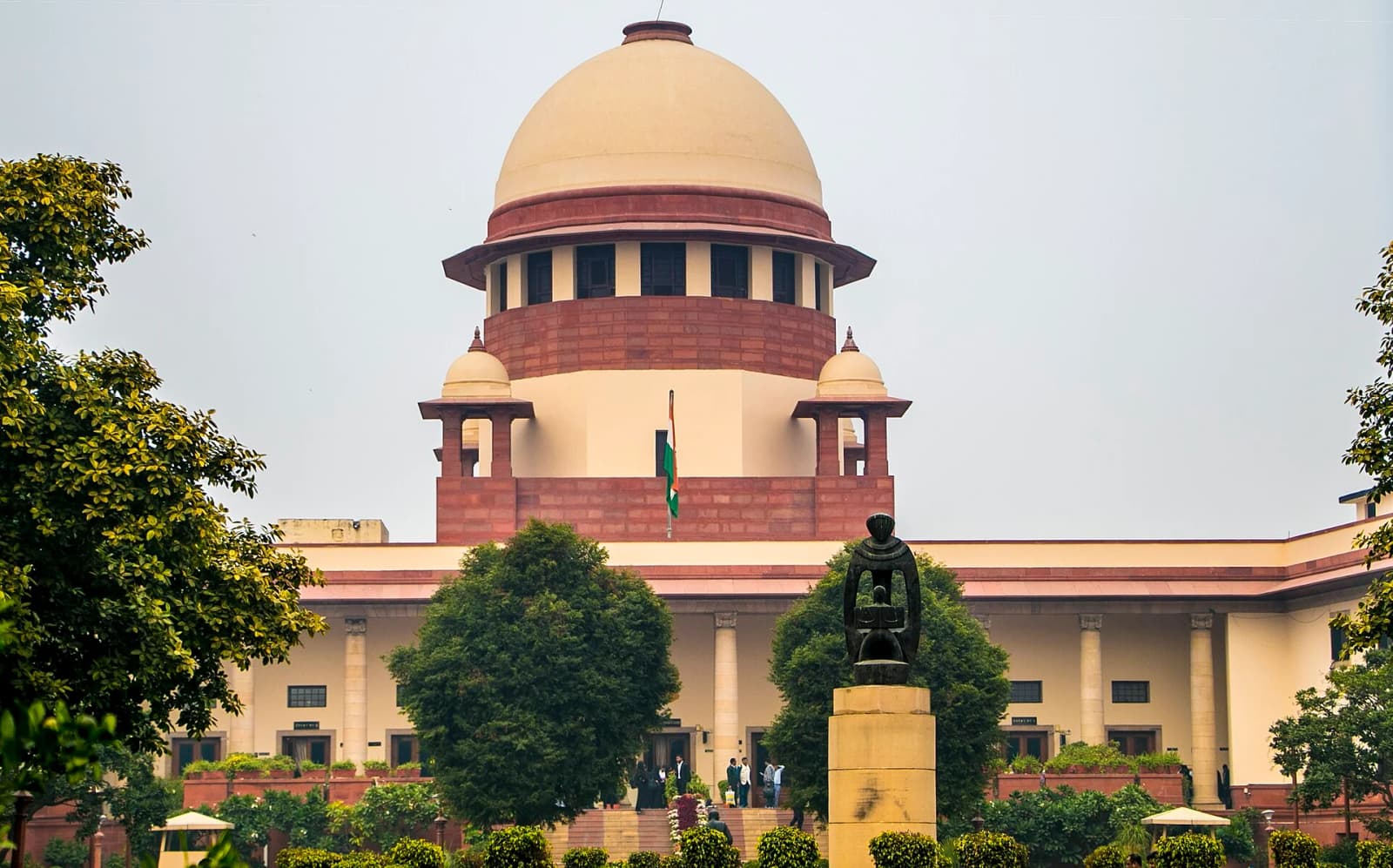
The Supreme Court of India on 23 November 2026 suspended the life sentence of Irfan Siraj Pada, a convict in the 2002 Godhra train burning case in Gujarat, and granted him bail on medical grounds while his appeal against conviction remains pending. A bench of Justice MM Sundresh and Justice Prasanna B Varale passed the order in New Delhi, LiveLaw reported. Some reports, including an IANS news agency report carried by the Free Press Journal, spell his surname Pado.
Why did the Supreme Court grant him bail?
The bench granted relief because of his health and the length of time he has spent in prison. According to LiveLaw, the court noted that he suffers from a serious cardiovascular disease and that he has been in custody for more than 17 years. The State of Gujarat did not dispute his medical condition, LiveLaw reported; the IANS report said the Gujarat government acknowledged the cardiovascular condition during the hearing. Neither report set out the conditions attached to his bail.
The order does not overturn his conviction. IANS noted that the conviction stands unless the Supreme Court decides otherwise when it rules on the main appeals.
What is the Godhra train burning case?
The case concerns the fire in coach S-6 of the Sabarmati Express at Godhra on 27 February 2002. According to LiveLaw, the train was carrying kar sevaks returning from Ayodhya, and the carnage triggered communal riots across Gujarat. LiveLaw and IANS give slightly different figures for the number of people killed in the coach.
In March 2011, a trial court convicted 31 people, sentencing 11 to death and 20 to life imprisonment, and acquitted 63 accused. In October 2017, the Gujarat High Court upheld all 31 convictions but commuted the 11 death sentences to life terms, according to IANS. The convicts appealed against their convictions, and the Gujarat government challenged the commutation of the death sentences. Those appeals have been pending in the Supreme Court since 2018. LiveLaw reported that Irfan was granted interim parole in 2025 so that the state government could consider his plea for premature release.
Has the court granted bail to other Godhra convicts?
Yes, in some cases. According to LiveLaw, the Supreme Court granted six months' interim bail to convict Abdul Raheman Dhantiya in May 2022 because his wife had terminal cancer, and later extended it to 31 March 2023. Another convict, Farook, whose role was stone-pelting at the train, was granted bail after serving more than 17 years. In April 2023, the court granted bail to eight convicts and rejected the pleas of four others. In August 2023, it dismissed bail applications from three more convicts, citing roles attributed to them that included stone-pelting and the robbery of gold ornaments, while stating that those rulings would not affect the merits of the pending appeals, IANS reported.
Why it matters
The convicts' appeals and the State's challenge to the commutation of death sentences have both been awaiting a final decision in the Supreme Court since 2018. In the meantime, the court has been deciding individual bail pleas on their own facts, including age, health and time already served.
What is confirmed and what is not
Confirmed: the suspension of sentence and grant of bail on 23 November 2026, the bench, and the medical ground. Not yet confirmed: the bail conditions, which had not been reported, and a date for the final hearing of the appeals. The case numbers listed with the matter are Criminal Appeal No. 1604 of 2018 (Irfan Siraj Pada v. State of Gujarat), taken up with Criminal Appeal No. 517 of 2018, according to LiveLaw.
What happens next
The order allows Pada to be released on bail once the formalities are completed. The main appeals of all the convicts, and Gujarat's appeal against the commutation of the death sentences, remain to be heard.
Photo source · Subhashish Panigrahi, CC BY-SA 4.0