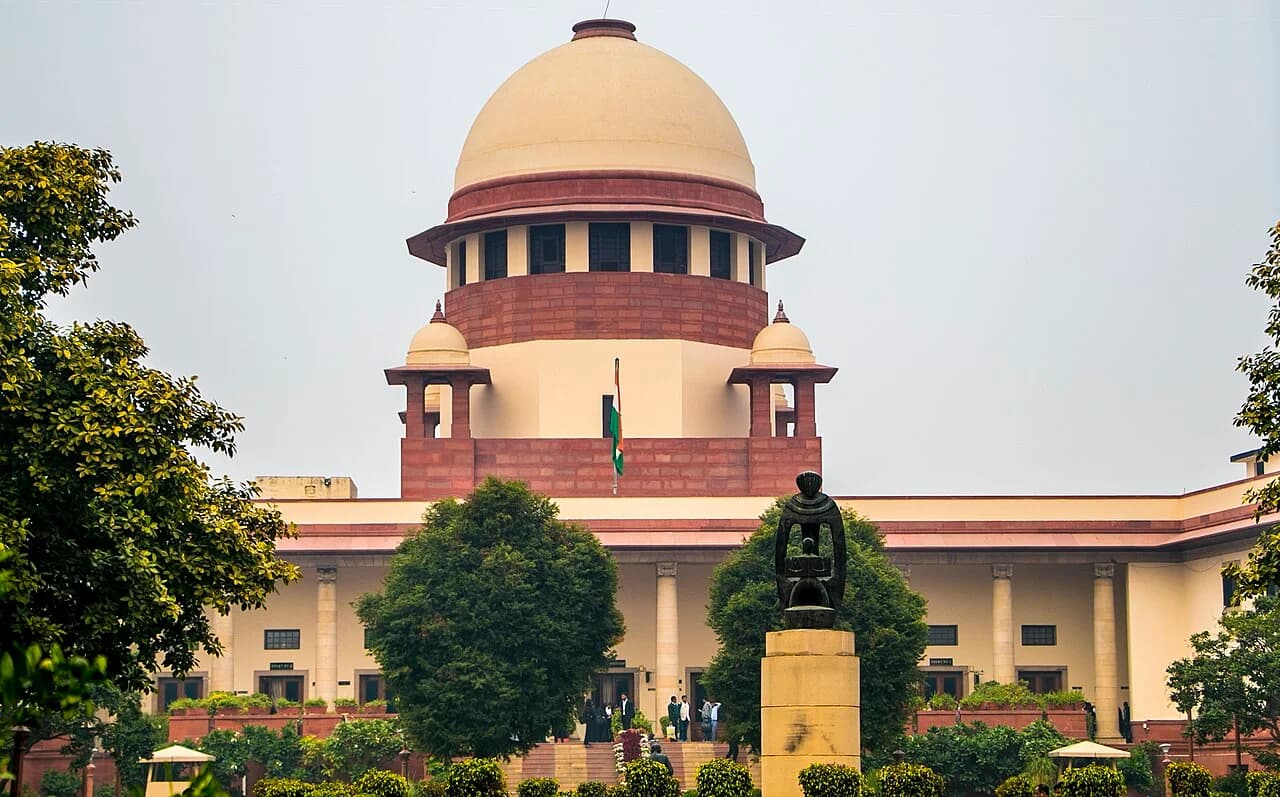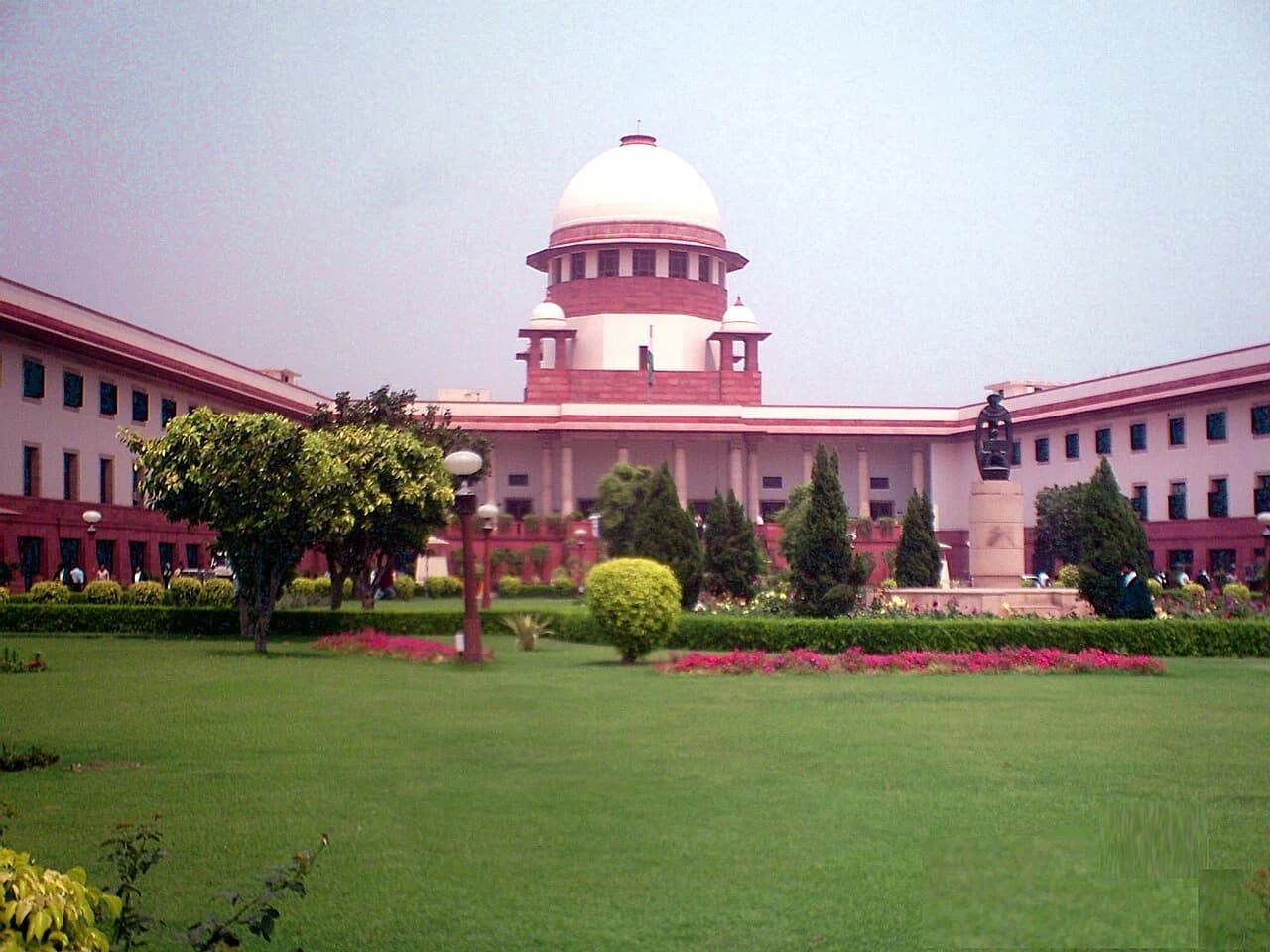
The Supreme Court of India has upheld the acquittal of a husband and his relatives in a dowry death case from Delhi, holding that a bride's family's inability to pay dowry does not by itself disprove harassment allegations but is a relevant factor in judging whether they are true. The order, passed on 19 November 2026 by Justice Manoj Misra and Justice Vijay Bishnoi, was released on 23 November 2026.
The bench dismissed Criminal Appeal No. 1074 of 2015, Neeraj Kumar v. Suraj Prakash and Others, an appeal by the complainant against a Delhi High Court judgment that had refused to interfere with the trial court's acquittal.
What did the Supreme Court say about capacity to pay dowry?
The court said lack of capacity to pay is not enough on its own to reject an allegation of dowry harassment, but it is relevant when weighing that allegation. "This we say so because why would a person raise a demand when he knows that the person to whom demand is made has no capacity to fulfil it," the bench wrote.
The complainant's lawyer had argued that the prosecution only needed to prove harassment linked to a dowry demand, not that the family could meet the demand.
What was the case about?
The accused had been tried for dowry death under Section 304B and cruelty under Section 498A of the Indian Penal Code, 1860. According to the order, an Additional Sessions Judge in Delhi acquitted them, finding the evidence of dowry demand and harassment unreliable. The trial court noted that, apart from ante-mortem burn injuries, no injury showing use of force was found.
The trial court also took into account the family's finances: the woman's brother, described as the only earning member, drew a salary of Rs 2,300 a month, according to his employer's statement. It further noted early differences between the couple arising from the husband's suspicion that his wife was pregnant before marriage, and a petition he filed that was later withdrawn.
The State did not appeal the acquittal. The complainant filed a revision petition, which the Delhi High Court dismissed, finding no perversity in the trial court's view. The High Court noted that none of the family witnesses said dowry had been demanded at the time of marriage and that documents from an earlier panchayat meeting did not mention dowry.
What did each side argue?
The complainant argued that the mother's testimony was consistent, that she had described a demand for money two days before the death, and that an incised wound on the forehead recorded in the inquest report had been overlooked. The accused argued that the post-mortem and a review opinion found no injury other than burns, that an autopsy report prevails over an inquest report where they conflict, and that both lower courts had taken a possible view of the evidence.
Why did the court refuse to interfere?
The bench said presumptions under Sections 113A and 113B of the Indian Evidence Act, 1872, apply only when the basic facts, including a dowry demand and harassment soon before death, are first proved. Because the trial court found those facts not proved, and took a view that "by no means could be considered perverse", there was no ground to interfere, particularly as the State had not appealed and a revisional court's powers are limited. The order also notes that the complainant's counsel had not pressed a murder charge before the High Court.
Why does it matter?
The ruling restates how appeal courts treat acquittals in dowry death cases: a possible view of the evidence by the trial court will not be overturned without perversity, and the family's financial position can be weighed in assessing dowry allegations. It does not change the law that a dowry death charge requires proof of harassment linked to dowry soon before death.
The Supreme Court has recently pulled up lower courts over flawed reasoning in other matters, including a Bihar sessions judge's Re 1 contempt fine.
Photo source · Legaleagle86 at English Wikipedia, CC BY-SA 3.0