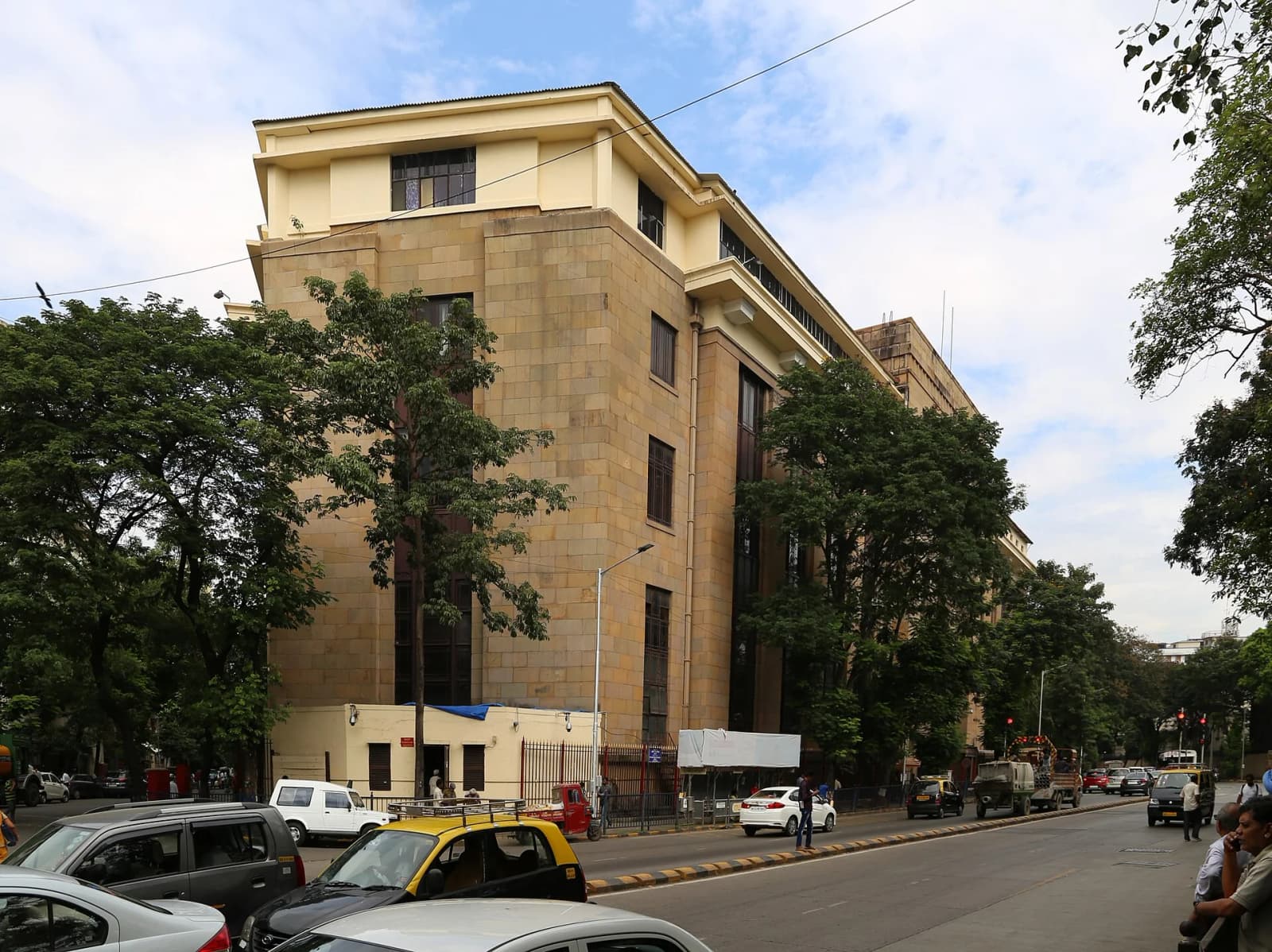
The Reserve Bank of India (RBI) on 23 November 2026 named State Bank of India (SBI), HDFC Bank and ICICI Bank as the country's Domestic Systemically Important Banks (D-SIBs) for 2026, keeping all three lenders in the same capital buckets as last year. The central bank announced the list from its headquarters in Mumbai, Maharashtra, in a press release dated 23 November.
What is a D-SIB?
A D-SIB is a bank whose size and links with the rest of the financial system are judged so large that its failure could disrupt the wider economy. Under the RBI's framework, such banks must hold extra core capital so that they can absorb losses on their own. The RBI places each D-SIB in a bucket based on a Systemic Importance Score, and a higher bucket means a larger capital add-on.
How much extra capital must each bank hold?
The extra requirement is set as a share of each bank's risk-weighted assets (RWAs) and must be met in Common Equity Tier 1 (CET1) capital, the highest-quality form of bank capital. The RBI said this add-on sits on top of the capital conservation buffer that all banks already maintain.
- State Bank of India: Bucket 4, additional CET1 of 0.80% of RWAs.
- HDFC Bank: Bucket 2, additional CET1 of 0.40% of RWAs.
- ICICI Bank: Bucket 1, additional CET1 of 0.20% of RWAs.
Buckets 3 and 5, which carry add-ons of 0.60% and 1% respectively, have no bank in them this year, according to the RBI's table.
What data is the 2026 list based on?
The RBI said the update uses data collected from banks as of 31 March 2026. Because none of the three banks changed bucket, their capital surcharges stay at the levels that applied under the 2025 list.
How did the framework come about?
The RBI first issued its framework for dealing with D-SIBs on 22 July 2014 and updated it on 28 December 2023. The framework requires the central bank to publish the names of D-SIBs every year, a practice that began in 2015. SBI was named in 2015 and ICICI Bank in 2016, while HDFC Bank joined the list in 2017, the RBI said.
The framework also covers foreign banks with branches in India that are classed as Global Systemically Important Banks (G-SIBs) by international standards. Such banks must hold an extra CET1 surcharge in India in proportion to the share of their group's risk-weighted assets that sits in India, the RBI said.
Why it matters for customers and investors
For depositors, the D-SIB label does not change how accounts work. It signals that the regulator views these three lenders as the most important to the stability of India's banking system, and requires them to keep a thicker capital cushion than other banks. For shareholders, the unchanged buckets mean the banks do not face any new capital demand from this year's review.
The announcement came on a busy day for the central bank. On the same day, the RBI also issued final amendments to its rules on securitisation transactions for banks, small finance banks, non-banking finance companies and all-India financial institutions, which it said will take effect from 1 April 2027. Earlier on 23 November, it also proposed a 'Stop Switch' and other safeguards against digital banking fraud, which MapMyTimes reported in this story, and injected liquidity through repo auctions, covered here.
What happens next?
The three banks must continue to meet the additional CET1 requirements set out in the RBI's table. The RBI will review the list again next year using fresh data from banks, and any change in a bank's Systemic Importance Score could move it to a different bucket.
Photo source · Sailko, CC BY 3.0