The Securities and Exchange Board of India (SEBI) on 23 November 2026 asked registered intermediaries and market participants to stop publishing the "grey market premium", or GMP, quoted for upcoming initial public offers (IPOs). For many retail investors, that number has become the first thing they check before applying for an IPO. This explainer sets out what the figure is, why SEBI acted, what changes for you and what remains unclear. MapMyTimes reported the advisory as news on 23 November.
What is the grey market premium?
The grey market premium is an unofficial figure for the price at which IPO shares are said to change hands before they are listed on a stock exchange. In its press release No. 75/2026, dated 23 November 2026 in Mumbai, SEBI describes these pre-listing premium figures as "unofficial, unverified, and unregulated". The regulator says the deals behind them take place outside the exchange system, are not supervised by any regulator, have no settlement guarantee or investor protection, and do not go through any formal price-discovery process.
In practice, the figure is read as a forecast. Business Today, explaining the advisory, used a hypothetical example: if an IPO is priced at ₹200 and the GMP is quoted at ₹50, the market reads that as an expected listing price of ₹250, a 25% gain. The same report stressed that this is only an informal signal, and that actual listing prices depend on demand, valuation and market conditions on the day.
Why is it in the news?
It is in the news because SEBI has formally told the regulated side of the market to stop spreading the number. The press release says GMP figures were being "widely published" on websites, digital platforms, in newspapers and by some SEBI-registered intermediaries and market participants, and were being presented as indicators of the likely listing price or returns.
SEBI said publishing such figures "may be detrimental to the interests of investors" and goes against the principles of transparency and accountability in the securities market. It advised all registered intermediaries and market participants to refrain from publishing, displaying or broadcasting GMP figures for IPOs on their websites, platforms or any other channel, including email, SMS and social media.
Is this a ban or an advisory?
It is an advisory, not a new regulation. The release uses the language of advice ("advised to refrain"), and Marketcalls, which reviewed it, noted that it sets no effective date, carries no penalty clause and does not cite an existing regulation. The same analysis said that, as of 9:20 pm IST on 23 November, it had not found any circular from the National Stock Exchange (NSE) or BSE passing the advisory on to their members.
How does it affect you as an investor?
For an ordinary investor, the main change is that GMP numbers should gradually disappear from regulated broker apps and adviser communications, and the regulator is telling you not to rely on them. SEBI's release gives three pieces of guidance for investors:
- do not treat GMP as an indicator of the listing price or expected returns;
- stay away from any GMP-linked transactions, which fall wholly outside the regulatory framework;
- apply for IPOs only through SEBI-registered intermediaries and authorised platforms.
The release also spells out what you lose if you deal in the grey market. If a dispute arises from a GMP transaction, you cannot claim investor-protection benefits under SEBI or stock exchange jurisdiction, and you cannot use the grievance systems run by exchanges or the Online Dispute Resolution (ODR) portal run by exchanges and depositories at smartodr.in.
Business Today suggested investors look instead at information that is officially disclosed: the company's financial statements, profitability and debt, its valuation compared with listed peers, the red herring prospectus and the stated use of the money raised, and official subscription figures. It added that even subscription data show demand and do not guarantee listing gains.
What is established and what is not?
Established: SEBI issued the advisory on 23 November 2026; it covers SEBI-registered intermediaries and market participants; it names websites, platforms, email, SMS and social media as channels; and it states that GMP disputes have no regulatory recourse. These points come from the text of the release itself.
Not yet clear: The release does not define "market participants". Marketcalls noted that it does not set a compliance timeline and does not say whether websites, apps or newspapers that are not registered with SEBI must stop carrying GMP figures; such outlets are mentioned only as places where the figures have appeared. Whether the advisory will be followed by a binding circular, FAQs or enforcement action is also not known.
Why does the grey market exist at all?
The grey market exists because some buyers and sellers want to trade IPO shares, or the right to an allotment, before the shares officially start trading. SEBI's release does not describe how individual deals are arranged; it only states that they are executed outside the exchange framework and are unregulated. That is precisely why, in the regulator's view, no one can check whether a quoted premium reflects real trades at all.
What happens next?
The next step is for brokers, investment platforms and other registered entities to decide how they comply. Market watchers will look for:
- circulars from NSE and BSE forwarding the advisory to member brokers;
- any SEBI clarification that defines who counts as a "market participant" or sets a timeline;
- whether popular IPO-tracking websites and finance apps remove GMP tables, and whether unregistered sites continue to publish them.
SEBI has not announced any further rule-making on the subject so far. Until it does, the clearest takeaway for investors is the regulator's own: a GMP figure is not a promise, and a GMP deal is not protected.
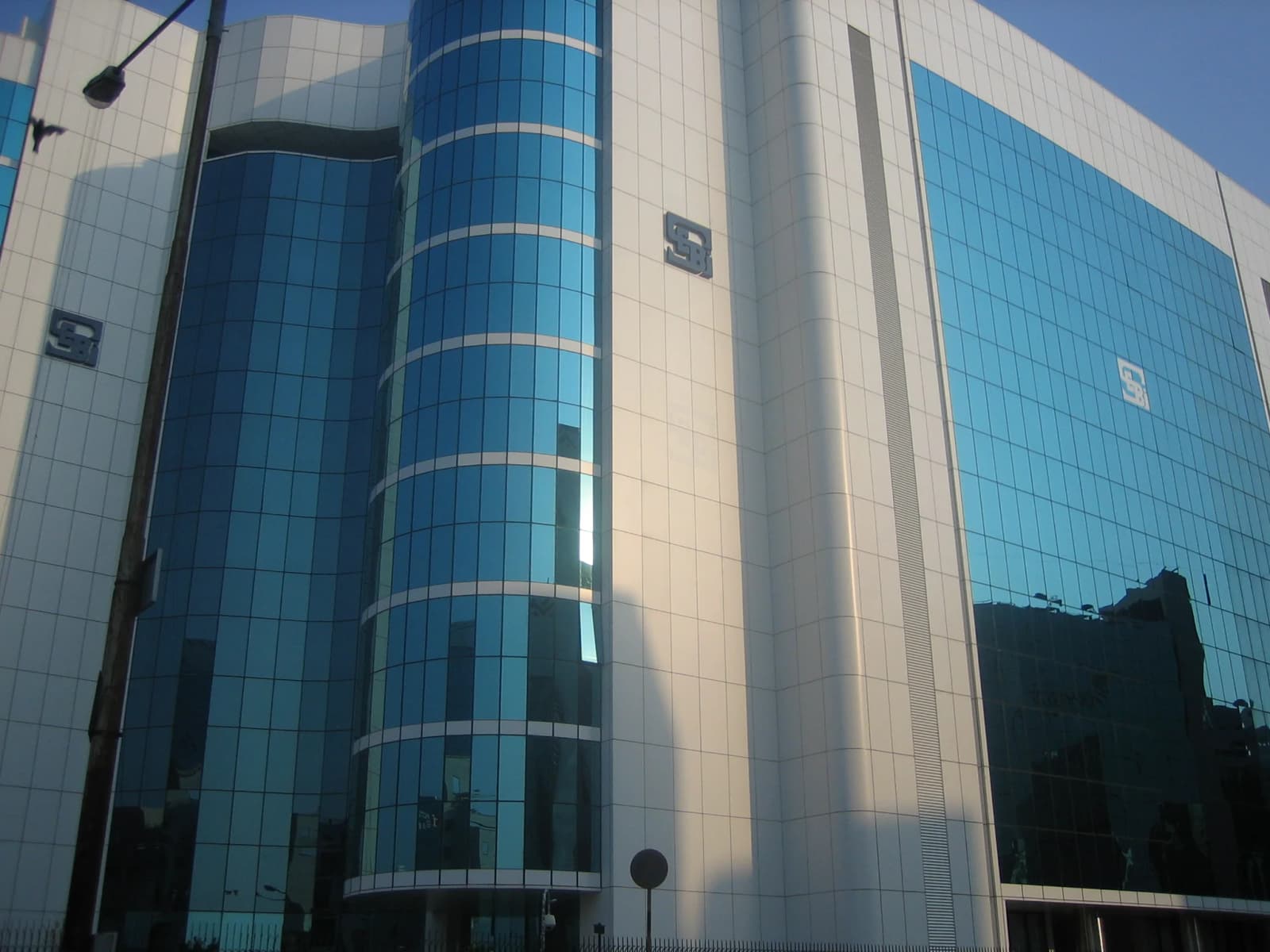
Photo source · Jimmy vikas, CC BY-SA 3.0