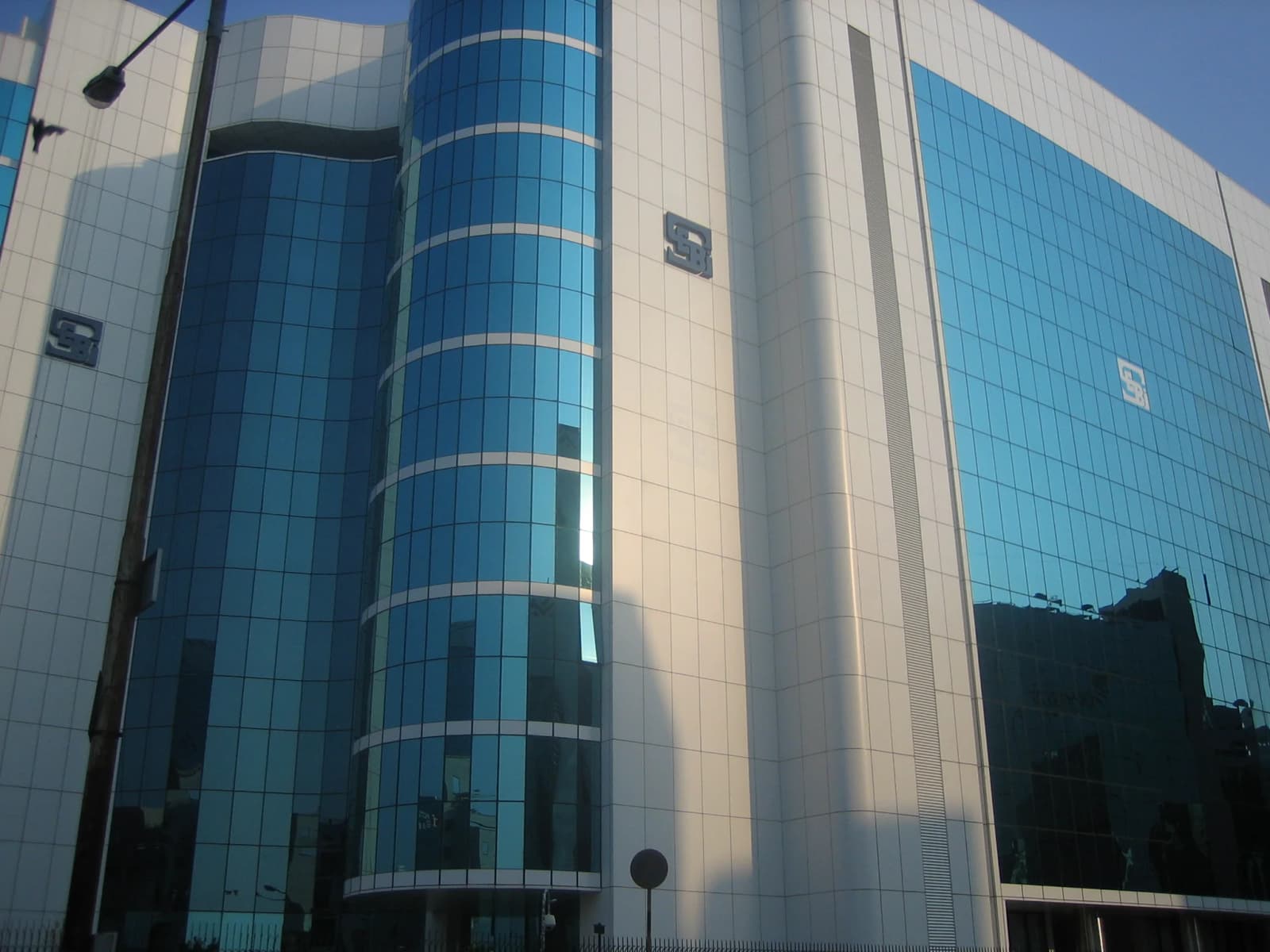
The Securities and Exchange Board of India (SEBI) on 23 November 2026 asked all registered intermediaries and market participants to stop publishing grey market premium (GMP) figures for upcoming initial public offerings (IPOs), warning from its Mumbai headquarters that such numbers are "unofficial, unverified, and unregulated" and may harm investors.
The advisory, issued as press release No. 75/2026, says the publication, display, circulation or dissemination of GMP "through any mode or platform may be discontinued across the securities market".
What exactly has SEBI asked market players to do?
SEBI has asked registered intermediaries and other market participants to refrain from publishing, displaying or broadcasting GMP figures for IPOs on their websites, platforms or any other channel, including email, SMS and social media. The regulator said it had noticed these figures being widely published on websites, digital platforms, in newspapers and by some SEBI-registered intermediaries, where they are presented as a guide to the likely listing price or expected returns.
The document is framed as an advisory rather than a new regulation. Business Standard and the news agency ANI, as carried by The Tribune, both reported it as a request to market players to stop publishing the figures.
Why does the regulator object to GMP figures?
According to SEBI, GMP is the price at which IPO shares are supposedly traded before they are formally listed on a recognised stock exchange. These deals take place outside the exchange framework, are not subject to regulatory oversight, carry no settlement guarantee or investor protection, and follow no formal price-discovery process, the advisory says. SEBI said publishing such figures may be detrimental to investors and runs against the principles of transparency and accountability in the securities market.
What investors are being told
The regulator advised investors to:
- not treat GMP as an indicator of listing price or expected returns;
- stay away from any GMP-linked transactions, which fall entirely outside the regulatory framework; and
- apply for IPOs only through SEBI-registered intermediaries and authorised platforms.
SEBI also warned that anyone who enters a GMP deal will have no regulatory fallback if it goes wrong. Investor protection benefits under SEBI or stock exchange jurisdiction, the exchanges' grievance redressal systems, and the Online Dispute Resolution (ODR) portal run by exchanges and depositories (smartodr.in) will not be available for such disputes.
A second caution on the same day
SEBI issued a separate caution (No. 76/2026) the same day about WhatsApp groups and other closed social media groups impersonating SEBI-registered intermediaries. It said fraudsters were luring investors with "institutional trading" offers, often portraying foreign markets as more lucrative, then steering them to unauthorised apps and to bank accounts held by unregistered entities. The red flags it listed include admins with international numbers such as +44 or +65, fake SEBI letterheads and stamps, and misused screenshots of SEBI's website.
The regulator asked investors to check registration status on its website, verify bank accounts and UPI IDs through its "SEBI Check" facility, and avoid joining unknown closed groups. Separately, the Reserve Bank of India has proposed new safeguards against digital banking fraud.
Why it matters
GMP figures are widely tracked by retail investors deciding whether to apply for new share sales. By asking registered players to stop publishing them, SEBI is cutting off a popular but unofficial signal from regulated channels. The advisory covers SEBI-registered intermediaries and market participants; it does not set out penalties for non-compliance.
What happens next
SEBI has not announced any further rule-making on the subject. Market participants that currently display GMP data on their platforms are expected to respond to the advisory, and investors can expect fewer such figures on regulated broker and adviser channels.