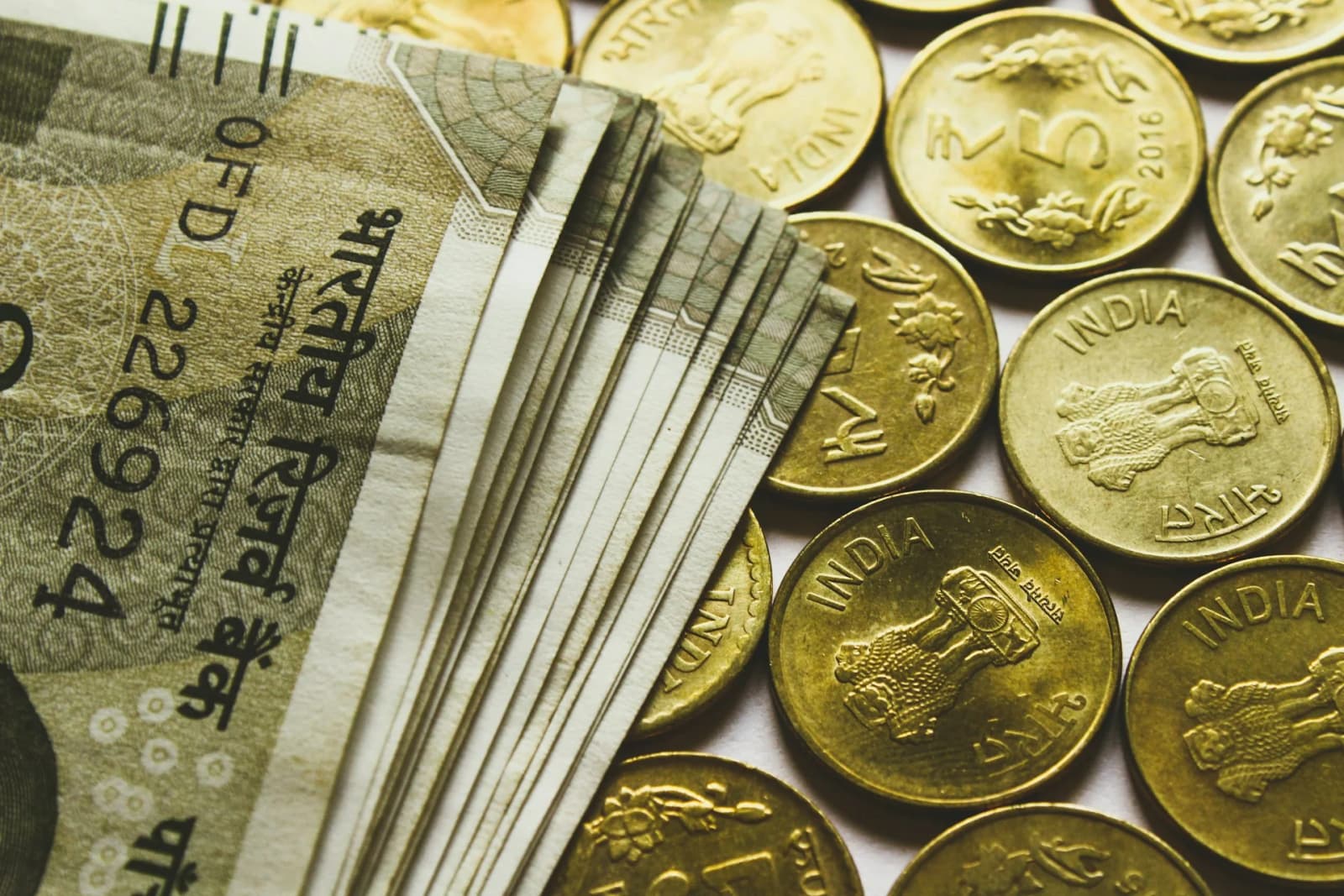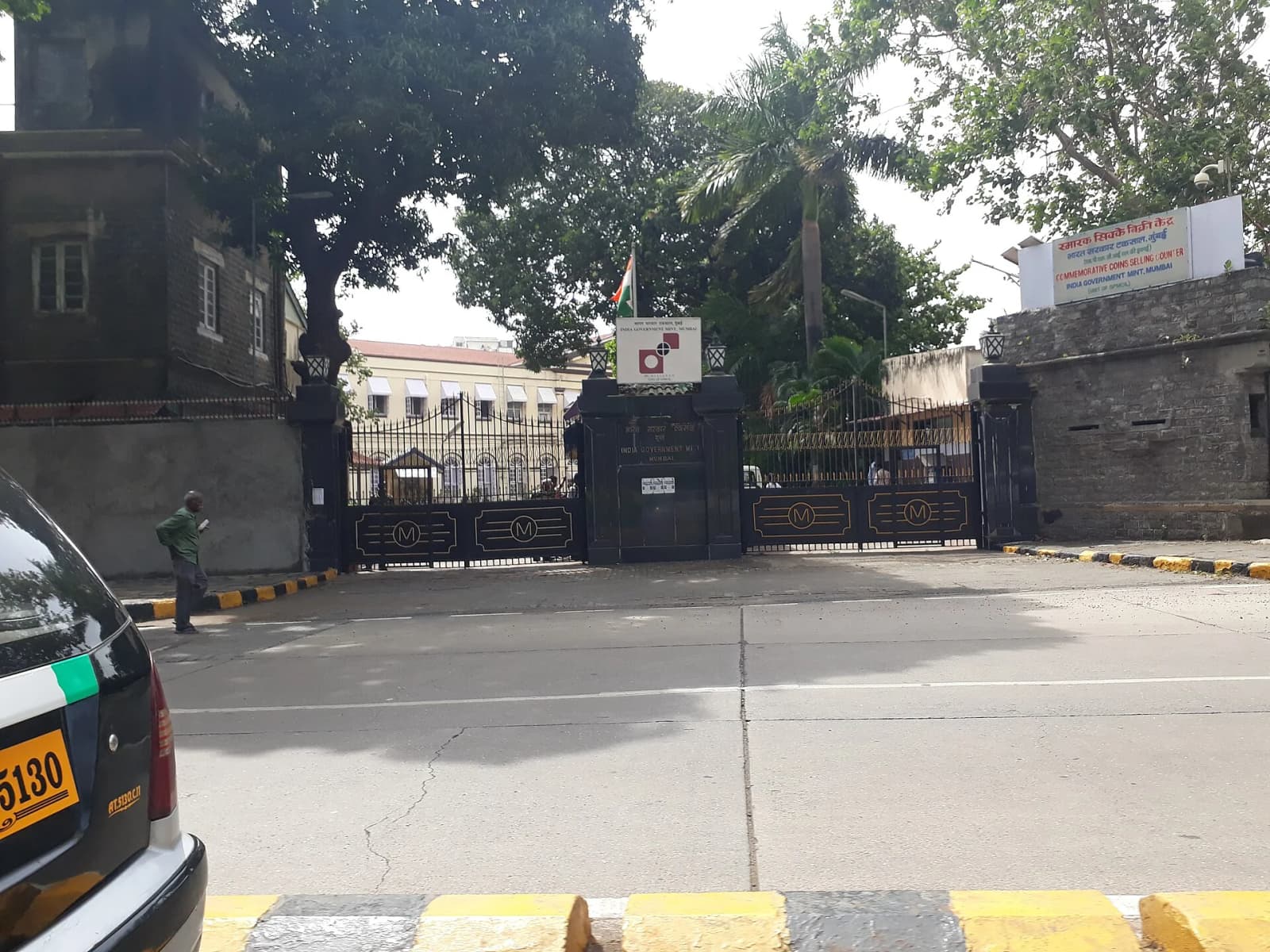
The Reserve Bank of India (RBI) pumped about ₹1 lakh crore of short-term funds into the banking system on 23 November 2026, running two Variable Rate Repo (VRR) auctions within roughly an hour of each other. Banks bid for nearly three times the amount on offer, and the cut-off rates in both auctions settled above the policy repo rate of 5.50%.
How much did the RBI inject, and at what rate?
The RBI allotted ₹1,00,008 crore across the two auctions, each notified at ₹50,000 crore. The first, a 4-day repo held between 9:30 am and 10:00 am, drew bids worth ₹1,51,982 crore; the RBI allotted ₹50,005 crore at a cut-off rate of 5.62% and a weighted average rate of 5.63%, according to its auction result. These funds are due to be returned on 27 November.
The second, a 2-day repo held between 10:30 am and 11:00 am, was announced the same day. It attracted bids of ₹1,37,612 crore, and the RBI allotted ₹50,003 crore at a cut-off of 5.64% and a weighted average of 5.65%, its second result showed. That money reverses on 25 November. Combined bids across both windows came to ₹2,89,594 crore.
In announcing the extra auction, the central bank said only that the decision followed "a review of current and evolving liquidity conditions in the near term". It did not give any further reason.
What changed over the past week?
The RBI's own releases show a quick switch in direction. On 19 November it was still trying to absorb surplus cash: an overnight Variable Rate Reverse Repo auction of ₹50,000 crore attracted offers of just ₹11,682 crore, all accepted at 5.49%.
A day later, on 20 November, it moved to inject funds. A 3-day VRR of ₹50,000 crore received bids of ₹1,12,555 crore and was allotted at a 5.56% cut-off, and a second 3-day auction of ₹25,000 crore drew ₹48,040 crore in bids at a 5.58% cut-off. Both of those operations, totalling about ₹75,000 crore, matured on 23 November, the same day the new ₹1 lakh crore was put in.
What do the daily figures show?
The RBI's money market operations statement for Sunday, 22 November, shows banks borrowed ₹28,576 crore overnight through the Marginal Standing Facility at 5.75%, the costliest RBI window. At the same time, ₹1,06,401 crore was parked with the RBI under the Standing Deposit Facility at 5.25%.
Taking all outstanding operations into account, the net liquidity injected by the RBI stood at ₹12,479 crore. The same statement put the government's surplus cash balance at ₹75,010 crore as of 20 November, and the banking system's net durable liquidity surplus at ₹7,02,107 crore as of 31 October.
Why it matters
The figures show banks were willing to pay more than the policy rate for short-term money: both cut-offs on 23 November were 12 to 14 basis points above the repo rate, and the demand at each auction was close to three times the amount offered. The RBI's policy rates on its website currently stand at 5.50% for the repo, 5.25% for the Standing Deposit Facility and 5.75% for the Marginal Standing Facility.
The operations come ahead of the RBI's next monetary policy decision. MapMyTimes earlier reported on a Reuters poll of economists ahead of the 4 December announcement.
What happens next
The 2-day funds are due back on 25 November and the 4-day funds on 27 November. The RBI has not announced further auctions beyond these, and any new operation would be notified through its press releases.
Photo source · Pinakpani, CC BY-SA 4.0