Most economists expect the Reserve Bank of India (RBI) to raise its policy repo rate by 25 basis points to 5.75% when its Monetary Policy Committee (MPC) meets from 2 to 4 December 2026, according to a Reuters poll published from Bengaluru on 23 November 2026. Of 61 economists surveyed between 13 and 20 November, 56 forecast the quarter-point increase, three expect no change and two expect a larger 50-basis-point move.
A majority also see one more step after that. Thirty-four of 46 economists who answered a separate question expect the RBI to lift the repo rate to 6% in February 2027 and then stop, Reuters reported.
Why is the RBI expected to raise rates again?
Because retail inflation has moved above the top of the central bank's tolerance band. The National Statistics Office's release of 12 November 2026 put consumer price inflation for October at 6.09% (provisional), up from 5.54% in September. The RBI's mandate is to keep inflation at 4%, within a band of 2% to 6%.
Food prices are a big part of the jump. The same release shows food inflation, measured by the Consumer Food Price Index, at 8.94% in October. Inflation was higher in villages (6.63%) than in cities (5.41%).
Reuters linked the price pressure to an energy shock from the war in the Middle East and to an uneven, deficient monsoon. It noted that crude oil prices have eased recently but remain close to 30% above their pre-war levels.
What did the RBI do in October?
The MPC began the current tightening cycle at its meeting of 5 to 7 October. According to the RBI's policy resolution dated 7 October 2026, the committee voted unanimously to raise the repo rate by 25 basis points to 5.50% and changed its stance to "calibrated tightening". Two members, Nagesh Kumar and Ram Singh, preferred to keep the stance neutral.
The resolution said that in current conditions "rate cuts are off the table in the near term". At that meeting the RBI projected inflation at 6.0% for the October-December quarter and 5.7% for January-March, with 5.2% for the full 2026-27 financial year. It also projected real GDP growth of 6.9% and 6.8% for those two quarters.
What are economists saying?
Dhiraj Nim, senior economist at ANZ, told Reuters that price pressures had spread "beyond transitory parts of CPI, which are energy and food", and argued that stronger-than-expected growth gives the RBI room to focus on inflation.
Upasna Bharadwaj, chief economist at Kotak Mahindra Bank, said she expects two more hikes and sees inflation staying near 6% for the next five to six months. She told Reuters that a recovery in the rupee, which the RBI spent billions of dollars defending earlier this year, has eased some of the pressure on the central bank.
Debopam Chaudhuri, chief economist at Piramal Group, told Reuters that growth has been supported by government spending and urban consumption, and that he does not expect those drivers to carry as much weight from this quarter onwards.
Why it matters for borrowers and savers
The repo rate is the rate at which the RBI lends to banks, and changes usually feed into loan and deposit rates. Another increase in December would mean the cost of home, car and business loans linked to external benchmarks is likely to rise again, while depositors could see better returns on fixed deposits.
According to the poll, economists expect inflation to average about 6% in the current quarter and then ease, but to stay above the 4% target this year and next. Growth is forecast to slow to 6.9% this quarter and 6.8% in the next, after averaging about 8% over the past five quarters.
What happens next?
The poll is a forecast, not a decision. The MPC will announce its verdict at the end of its 2-4 December meeting. The next CPI release, for November, is scheduled for 14 December, according to the statistics office. Reuters noted that the US Federal Reserve and the European Central Bank are also expected to raise rates in December.
For more on what is driving prices, read MapMyTimes' explainer on why India's crude oil import bill nearly doubled in October and our report on CII's proposed financial sector reforms.
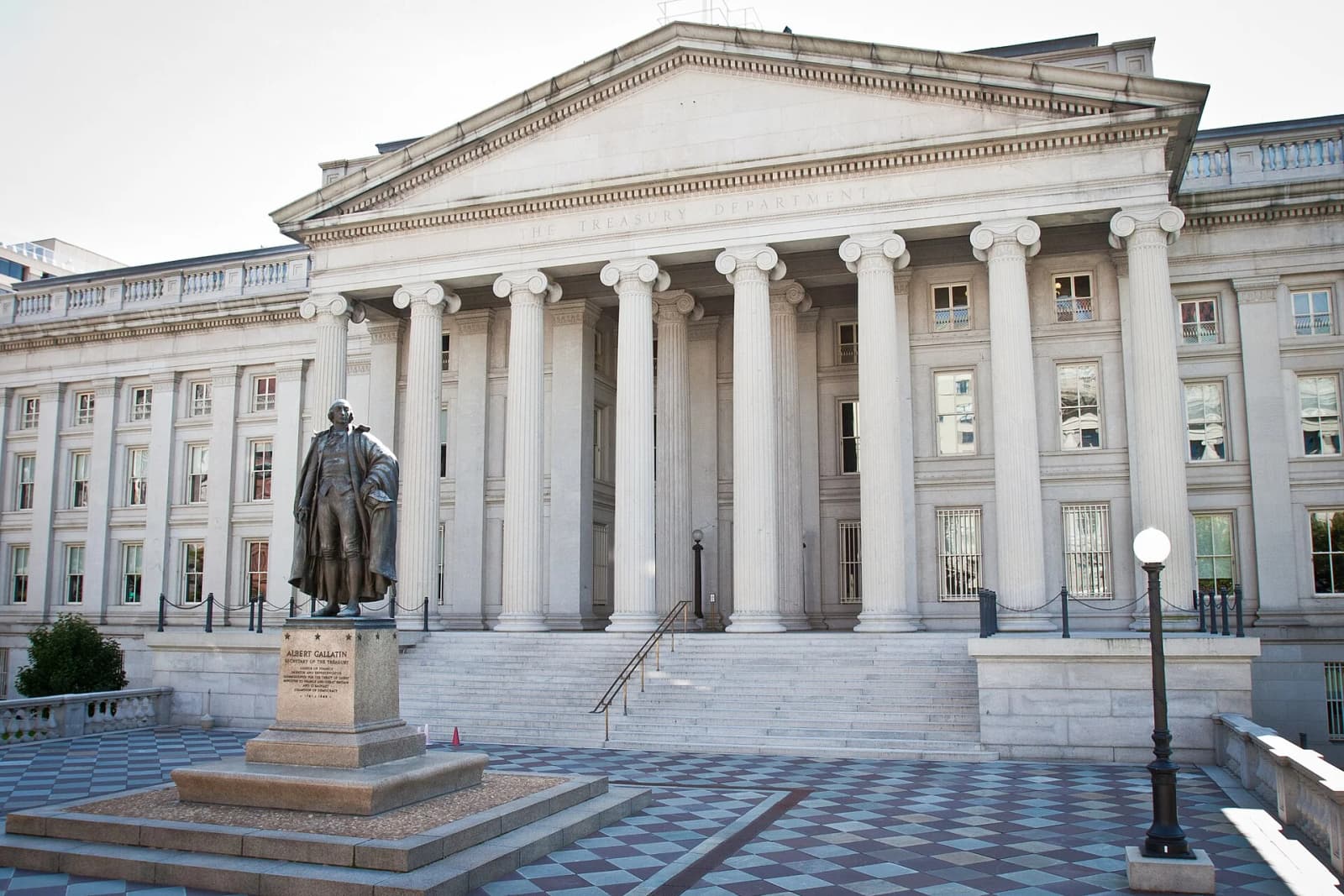
Photo source · Pinakpani, CC BY-SA 4.0