United States Treasury Secretary Scott Bessent said on Sunday, 22 November 2026, that Washington wants answers from Nvidia about the chipmaker's sales to China, including who was responsible for compliance at the company formerly led by Jensen Huang. Speaking on CBS's "Face the Nation" programme in the United States, Bessent urged the company to move quickly, Nikkei Asia reported.
What did Bessent say?
Bessent said he had been in contact with Nvidia's interim management, its lead directors and their lawyers. "It behooves Nvidia to move quickly on this because we want to know what the culture was," he said, according to reports by Nikkei Asia and Reuters. "We do need to see who was in charge of compliance there."
He said the board is investigating what happened and asked whether any compliance failures stopped at "the lower levels," "the middle level," or went "all the way to the top." He added that he expected the board to "come up with some very fulsome and robust answers."
Does the Trump administration want Huang back?
The answer is not settled. President Donald Trump said on Friday that he would like Huang to apologise and return to Nvidia, according to a Reuters report carried by The Korea Times. Asked whether he agreed, Bessent said more information was needed: "I think we have to see where the buck stops." Nvidia's board chairman, Harvey Jones, has said the board will not rehire Huang, the report said.
How did Huang leave Nvidia?
In a press release filed with the US Securities and Exchange Commission and dated 12 November 2026, Nvidia said Huang had resigned as President, Chief Executive Officer and board member with immediate effect. The company named Colette Kress, its Executive Vice President and Chief Financial Officer, as interim chief executive; she continues as finance chief until a permanent successor is found. Harvey C. Jones was appointed the board's first-ever chair, and the company said it would consider both internal and external candidates for the top job. The release gave no reason for the resignation.
According to Reuters, Huang stepped down after reports of a relationship with a woman whom US intelligence suspects of being a Chinese spy, and of an extramarital affair with a company executive. Reuters said those reports led to investigations by US regulators and the Federal Bureau of Investigation (FBI), action in Congress, an internal company review and a proposed class-action lawsuit by investors.
Why it matters
The comments signal that the Trump administration's interest in Nvidia now extends beyond its former chief to how the company policed sales to China. According to Reuters, days after Huang's resignation the administration issued a rule further restricting China's access to advanced artificial intelligence chips from companies such as Nvidia. The rule came before Trump's trip to China for talks with President Xi Jinping, the report said.
The questions also come as Nvidia's board searches for a permanent chief executive while running its own internal review.
What is confirmed and what is not yet confirmed
- Confirmed: Huang's resignation, Kress's interim appointment and Jones's role as chair, from Nvidia's own release; Bessent's 22 November remarks, as reported by Reuters and Nikkei Asia.
- Not confirmed: whether any Nvidia sales to China broke US rules, and who inside the company knew. Bessent's comments describe a request for answers, not findings.
- Not available: the reports carried no fresh statement from Nvidia responding to Bessent's remarks.
What happens next
Bessent said he expects detailed answers from Nvidia's board on who was responsible for compliance. The board's internal review, the regulatory and FBI investigations reported by Reuters, and the search for a permanent chief executive are all still under way.
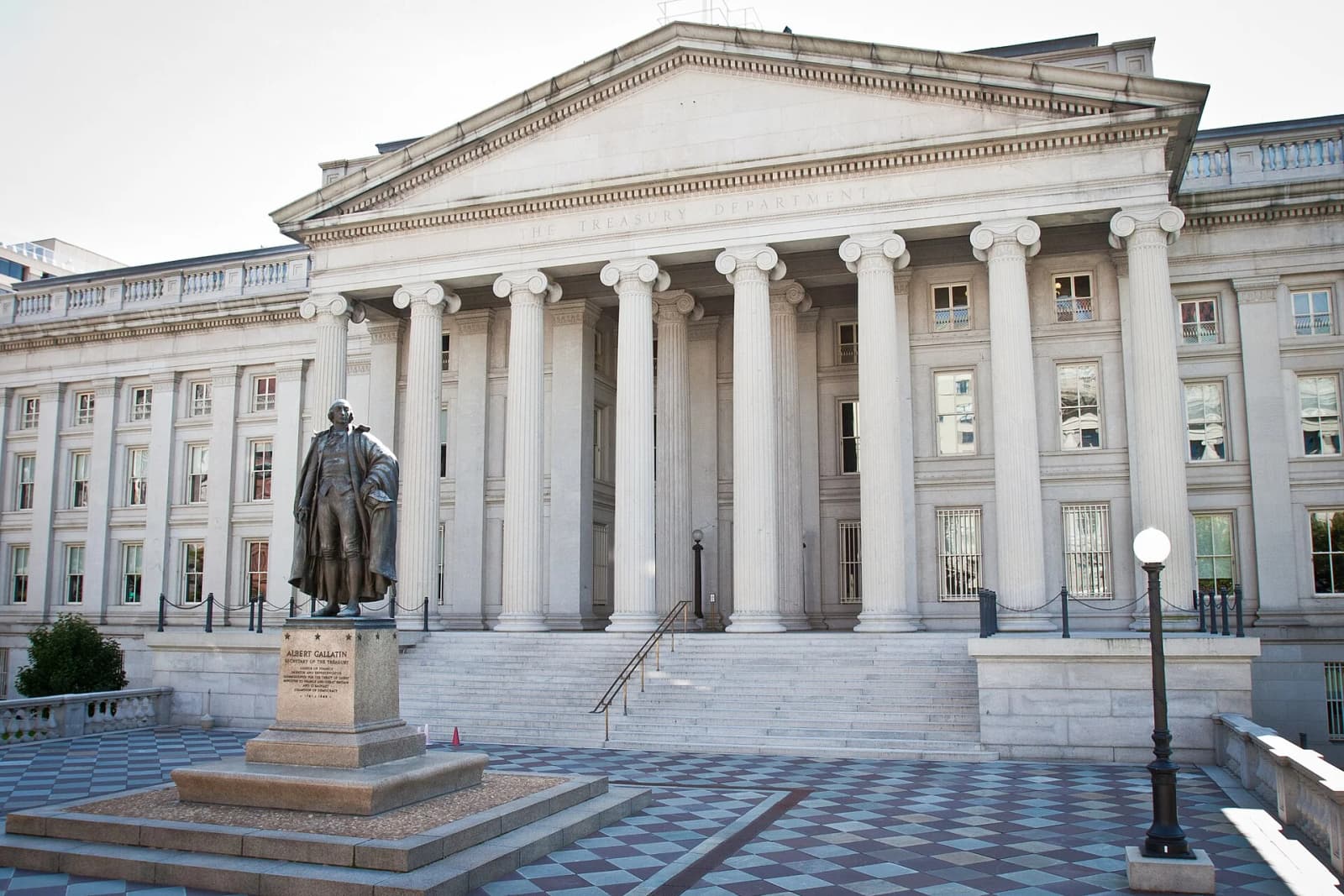
Photo source · Tony Webster, CC BY-SA 3.0