Authorities in China, South Korea and Taiwan rolled out emergency steps over the weekend of 21–22 November 2026 to steady their stock markets after a global sell-off in artificial intelligence (AI) and chip shares, but South Korea's benchmark Kospi still opened about 2.8% lower on Monday, 23 November.
The Kospi opened at 4,734.90, down 135.06 points or 2.77%, according to Korea Exchange data reported by the Seoul Economic Daily. Samsung Electronics was down 3.17% and SK hynix 2.61% shortly after the open, both having recovered part of steeper pre-market losses.
What triggered the rout?
The Nasdaq fell 10% last week, its largest weekly drop since March 2020, and the Philadelphia semiconductor index lost 10% on Friday alone, Reuters reported. Investors are questioning whether the huge, largely borrowed sums spent on AI data centres will earn returns fast enough to repay lenders and justify high share prices, the agency said. It added that the exit of Nvidia chief executive Jensen Huang and the weak debut of AI company Anthropic, which closed 8.5% lower on its first full trading day, had soured the mood.
Asia's chip-heavy markets were hit hardest. Taiwanese shares fell about 17% last week, their steepest weekly fall in roughly three and a half decades, while the Kospi slid 5.21% on Friday to 4,869.96 and lost 7.95% over the week, The Korea Times reported.
What have regulators done?
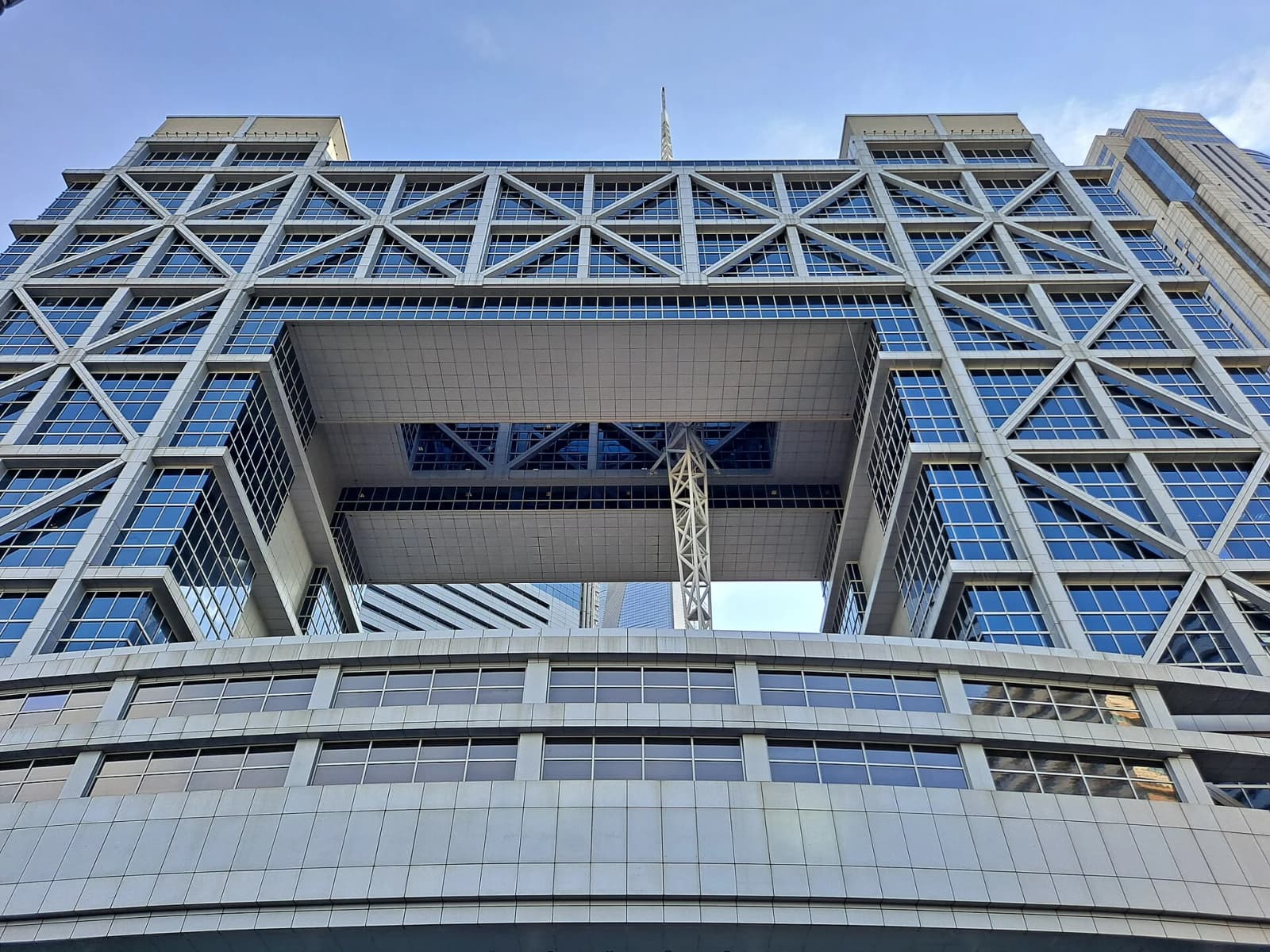
- China: The Shanghai, Shenzhen and Beijing stock exchanges said on Sunday, with approval from the China Securities Regulatory Commission, that the minimum margin requirement for buying shares with borrowed money will fall to 80% from 100% on 30 November, reversing a January increase. The state news agency Xinhua said the change could free up nearly 400 billion yuan, according to Bloomberg. The Shenzhen exchange also proposed introducing market makers on its ChiNext board.
- South Korea: Deputy Prime Minister and Finance Minister Lee Hyoung-il chaired an emergency meeting on Sunday with Bank of Korea Governor Shin Hyun-song and the heads of the Financial Services Commission and Financial Supervisory Service. They agreed to prepare a market stabilisation fund for immediate use if needed, to ease limits on corporate share buybacks for three months from Tuesday, and to step up surveillance of illegal short selling for three months. No new short-selling ban was announced.
- Taiwan: The financial regulator on Saturday ordered a further tightening of short-selling rules, Reuters reported, and Taiwan has said it has been buying shares.
How are other markets doing?
US stock futures bounced early on Monday, with Nasdaq 100 futures up about 2% and S&P 500 futures about 1% higher, according to Reuters. Japanese markets were shut for a public holiday, though futures pointed to selling pressure, and Australian shares were 0.5% lower.
What happens next?
Bloomberg noted that earlier Chinese support steps, including liquidity swaps for brokers and insurers, have struggled to produce a sustained turnaround, as worries over weak domestic demand, the property downturn and fading enthusiasm for AI persist. Investors will watch whether South Korea actually activates its stabilisation fund, and how Taiwan's and Hong Kong's markets trade later on Monday.
Photo source · 钉钉, CC BY-SA 4.0