India and the European Union are likely to sign their free trade agreement (FTA) on 16 December 2026, when Prime Minister Narendra Modi is expected to visit Brussels, officials told the Press Trust of India in reports published on Sunday, 22 November 2026. Neither government has formally announced the date. The two sides finished negotiating the deal on 27 January 2026, so a signing would be the first of several steps before tariffs actually fall. This explainer sets out what is known, what is still uncertain and what the agreement could mean for Indian businesses and consumers.
Why is the India-EU FTA in the news?
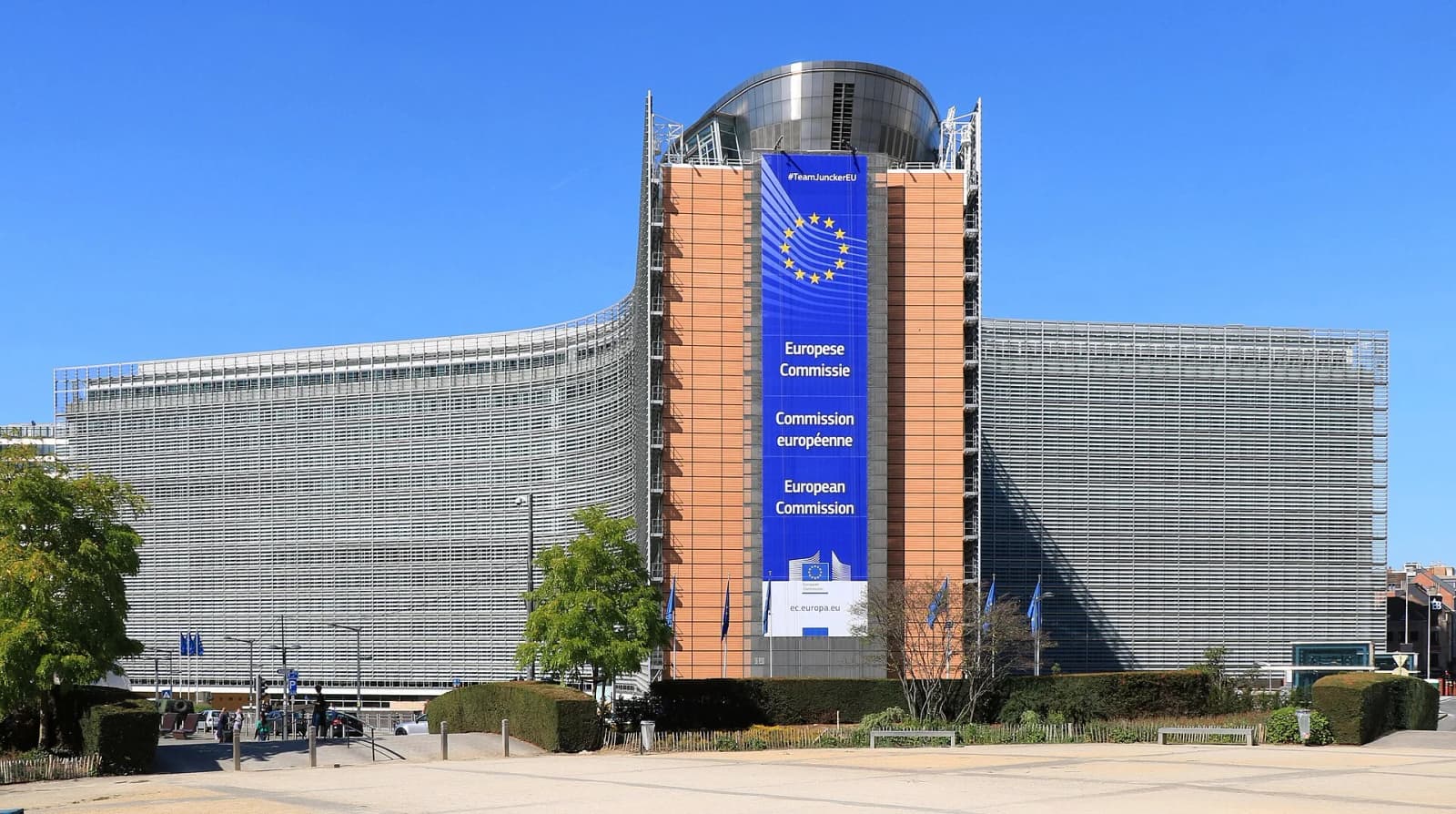
It is in the news because officials have, for the first time, put a specific date on the signing: 16 December, during Mr Modi's planned visit to Brussels. Earlier statements spoke only of "December". Commerce Secretary Rajesh Agrawal said last week that India hoped to sign in December 2026, and the EU's Ambassador to India, Hervé Delphin, told The New Indian Express on 16 November that both sides were aiming for mid-December. European Council President António Costa has also said Mr Modi would travel to Brussels in December to sign the agreement.
The timing matters for exporters. India has been negotiating several trade deals at once, including with Canada (see our explainer on the India-Canada CEPA talks), and engineering exporters reported strong shipments in October (EEPC data). The EU agreement is the largest of these by trade volume.
What is the India-EU FTA?
The India-EU FTA is a comprehensive agreement that cuts or removes customs duties on most goods traded between India and the 27-nation EU and opens up services markets. Negotiations were concluded on 27 January 2026 at the 16th India-EU Summit. According to the European Commission's page on the agreement, the EU is India's largest trading partner; EU-India trade in goods was worth €120 billion in 2024, and services trade was €59.7 billion in 2023.
Two related agreements, one on investment protection and one on geographical indications (protected product names), are being negotiated separately and are not part of the text due to be signed.
What does India get?
India gets preferential access across 97% of EU tariff lines, covering 99.5% of the value of its exports, according to the Commerce Ministry's factsheet issued on 27 January. On the day the deal takes effect, duties will go to zero on 70.4% of tariff lines, covering 90.7% of India's exports. Duties on most other products will be phased out over three to five years or handled through tariff-rate quotas.
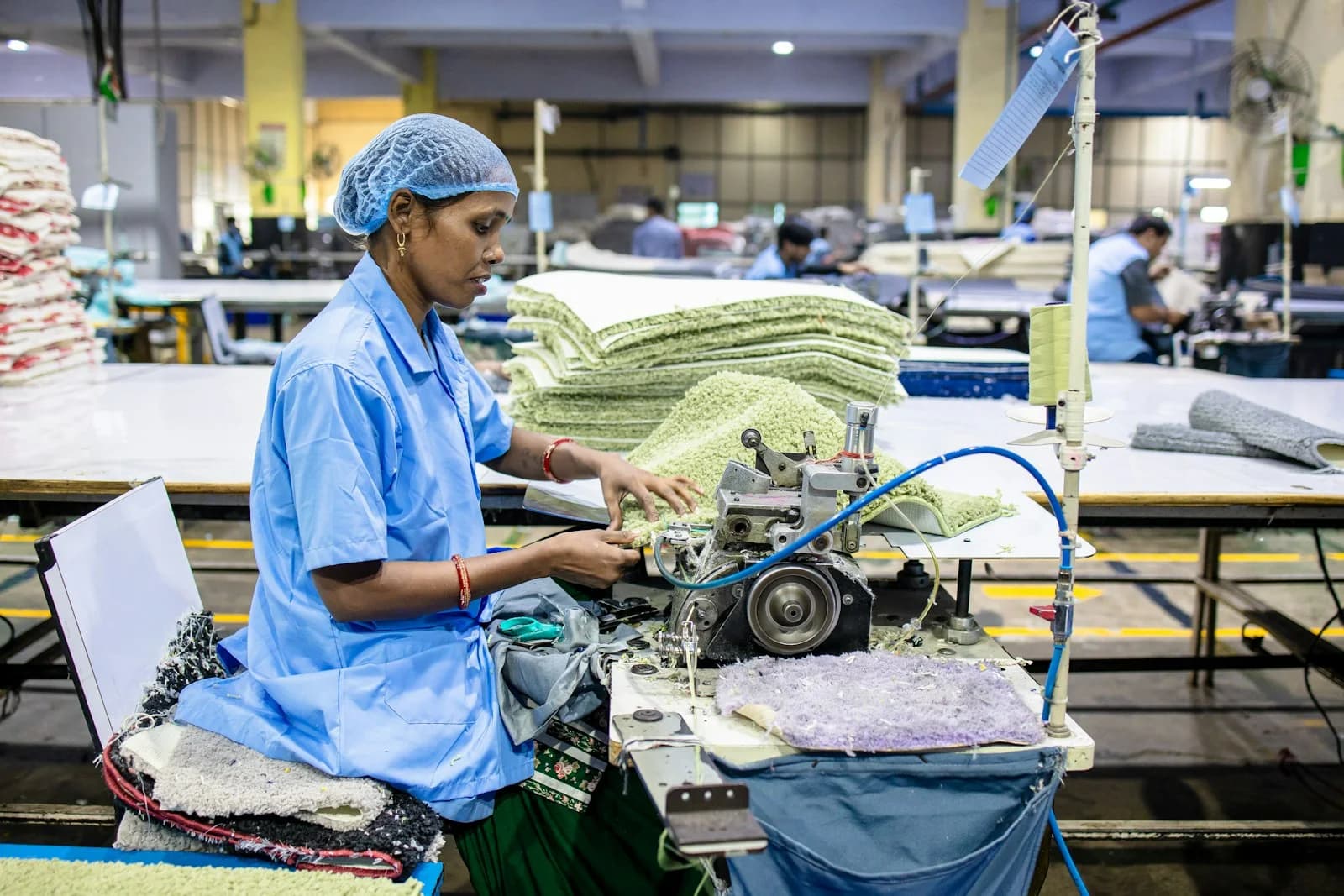
- Labour-intensive sectors such as textiles, clothing, leather and footwear are among those set for immediate duty elimination.
- Marine products, chemicals, plastics and rubber are also set to see duties removed, officials told PTI at the time of conclusion.
- In services, officials said the EU had opened 144 of 155 sub-sectors to India, with commitments on student mobility and some post-study work options.
What does the EU get?
The EU says the agreement eliminates or reduces tariffs on more than 96% of EU goods exports to India and will save European companies around €4 billion a year in duties. It highlights the removal or reduction of high Indian tariffs on wine, olive oil, chocolate and pastries. Indian officials said in January that India's offer covers 97.5% of EU exports by value and that India had opened 102 services sub-sectors to the EU.
Officials also said at the time that duties on higher-priced wines would come down from 150% to 20% over seven years, while cheaper wines would get no concession, and that cars would get only quota-based access, with no duty cut outside the quota.
What has been kept out?
Sensitive farm products have been largely shielded on both sides. Indian officials said India gave no concessions on dairy products, including cheese, cereals or soya meal, while the EU protected sugar, beef and poultry. Officials also said government procurement, energy and critical minerals are not covered.
How does it affect you?
For most consumers and businesses, nothing changes until the agreement enters into force, which is not expected before 2027. Once it does, Indian exporters of clothing, leather goods and other labour-intensive products should face lower or no EU duties, which could help their price competitiveness in Europe. Indian buyers could eventually see lower duties on some European products such as premium wine, though whether retail prices actually fall will depend on importers, state taxes and market conditions.
What happens next?
After signing, the agreement still has to be approved on both sides before it applies. The European Commission sent its proposals for signature and conclusion to the Council of the EU on 11 September 2026. On the EU side, the Council must authorise signature, the European Parliament must give its consent and the Council must then take a final decision; India must complete its own domestic approval. Mr Agrawal has said India is aiming for the deal to take effect in the first quarter of 2027, while the EU side has spoken of the first half of 2027.
What is established and what is not?
Established: negotiations concluded on 27 January 2026; the Commission has sent the text to the Council; both governments have publicly said they aim to sign in December 2026; and the headline tariff figures have been published by the Commerce Ministry and the European Commission.
Not yet confirmed: the exact signing date of 16 December, which comes from unnamed officials; the date on which the deal will enter into force; and the outcome of the separate investment protection and geographical indications talks.
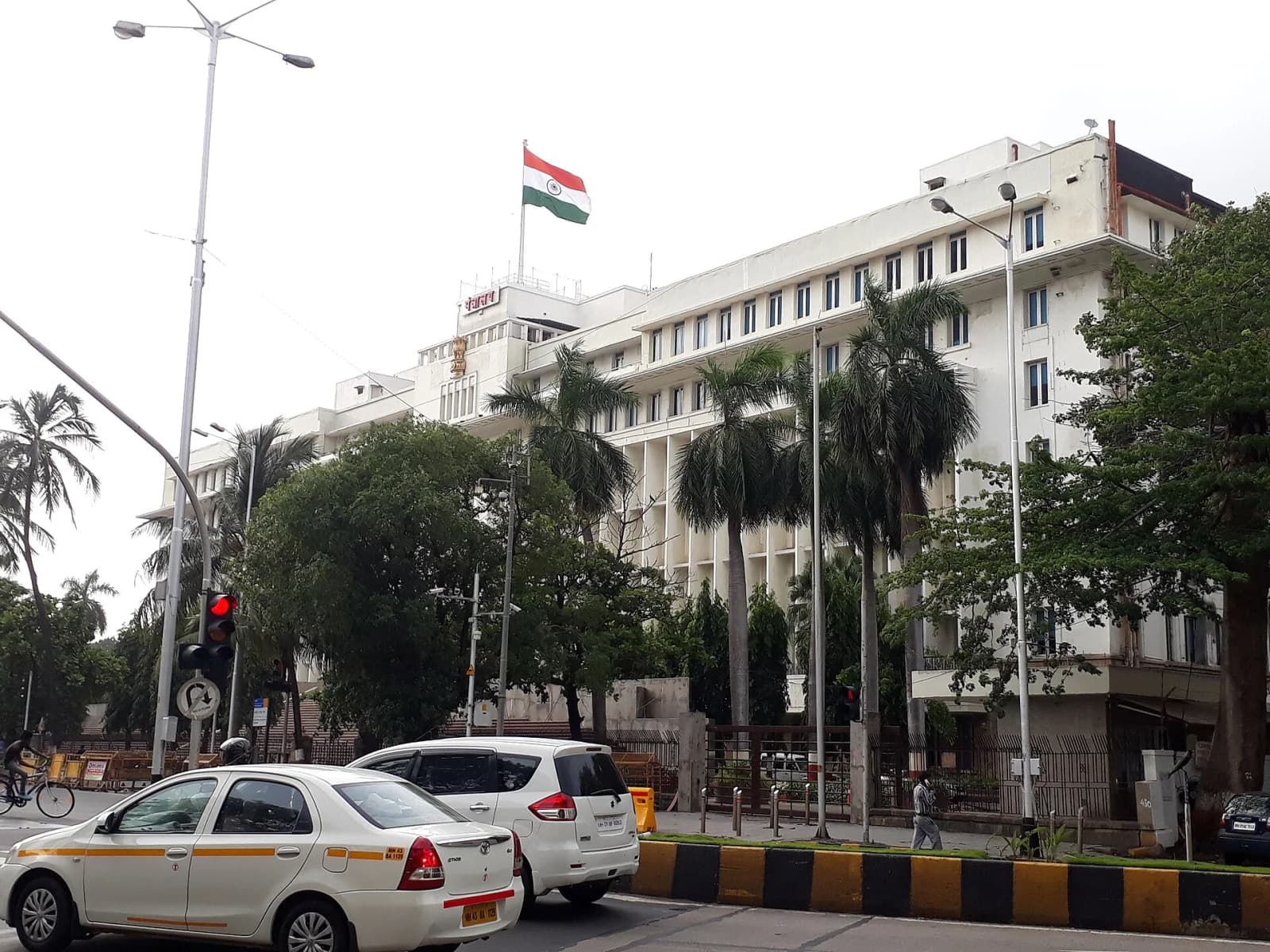
Photo source · EmDee, CC BY-SA 4.0