This is a MapMyTimes opinion piece. On 22 November 2026, news agencies reported that the Employees' State Insurance Corporation (ESIC) had notified the Employees' State Insurance (General) Regulations, 2026, which allow eligible workers to receive sickness and maternity benefits without filing a separate claim. It is the right reform. But a promise of automatic money only matters once it reaches a bank account, and the regulations leave the most important detail, the start date, still to be fixed.
What has ESIC actually changed?
ESIC has replaced paperwork with a "deemed claim" for workers whose records are already in order. According to reports by IANS and other agencies, a sickness or maternity claim will be processed without an application when three things line up: the medical certificate is generated through ESIC's own information system, the employer has filed the required monthly return on the portal, and the worker's insurance number and bank account are linked to Aadhaar. For work injuries, the employer's accident report itself will be treated as the claim for disablement benefits and for dependants' benefits after a death.
The regulations, framed under the Code on Social Security, 2020, replace rules dating back to 1950. They also extend the window for claiming maternity benefit before the expected delivery date from 50 to 56 days, and set payment deadlines of seven days for sickness benefit and 14 days for the first maternity instalment once a complete claim is received. The changes cover nearly 40 million insured workers, according to the reports.
Why does this matter to workers?
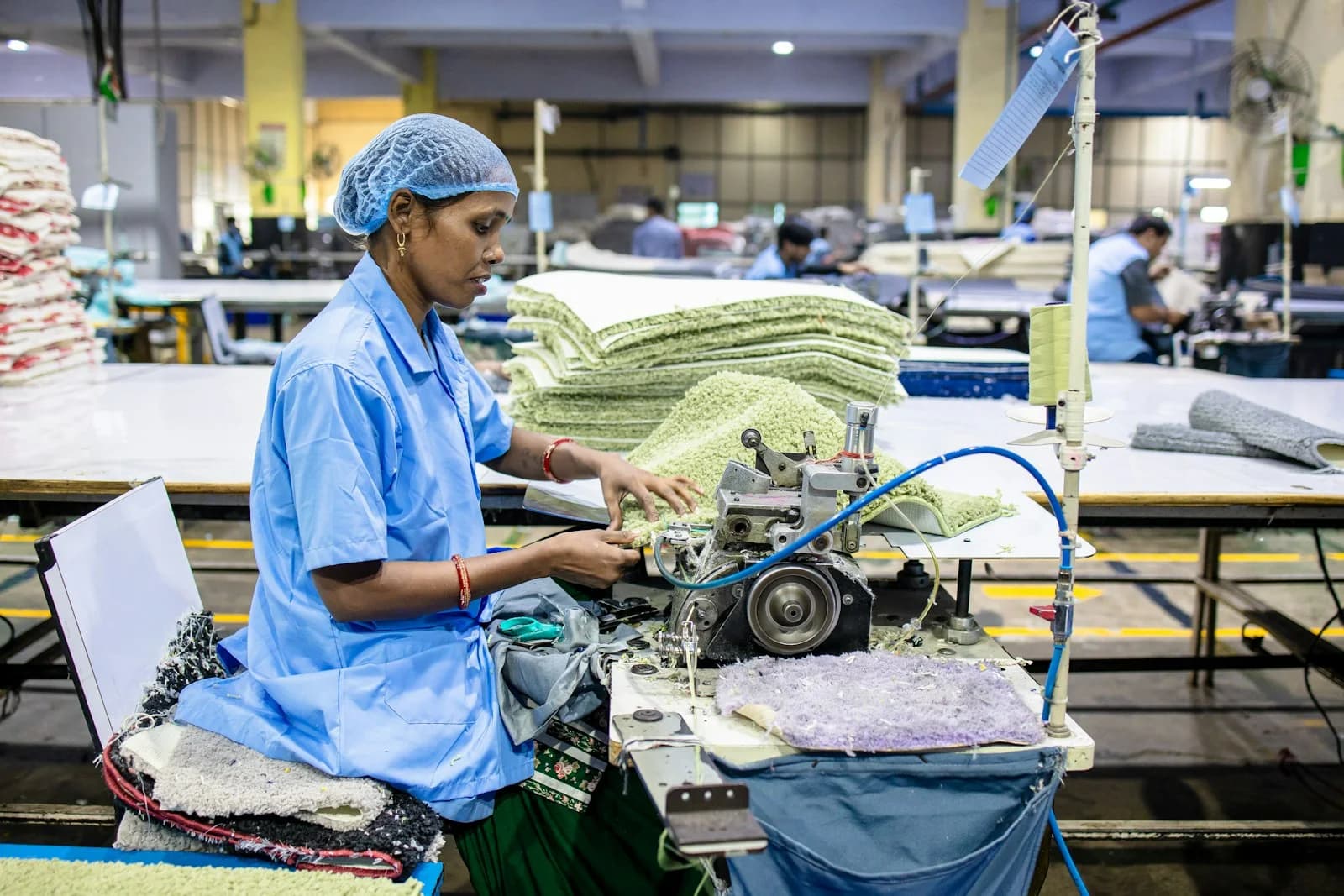
It matters because the people this scheme serves are least able to chase forms. ESIC covers employees earning up to Rs 21,000 a month (Rs 25,000 for persons with disabilities) in establishments with 10 or more workers. A factory worker recovering from illness, a woman close to delivery, or the family of a worker killed on the job should not have to prove again what the system already knows. Shifting that burden from the worker to the institution is overdue.
Two safeguards deserve credit. Benefits cannot be withheld only because an employer missed a return or verification deadline; ESIC must get the information from the employer. And if a direct transfer fails because of a technical or bank problem, ESIC may pay by another mode and must record why. Workers also keep the right to file claims themselves.
The strongest objection
The fairest criticism is that "automatic" depends on links outside the worker's control. If an employer files late, a doctor's certificate is issued outside ESIC's system, or an Aadhaar or bank record does not match, the worker falls back into the old queue, often without knowing why. Small data mismatches of this kind can quietly shut out the very workers the reform is meant to help. There is also a reasonable concern on the other side: automatic payment without a claim must not become an easy route for fraud. Both concerns are real, and neither is a reason to abandon the reform.
What should happen next?
The reports say the deemed-claim facility is not operational yet and that ESIC's Director General will specify when it takes effect. We think three steps would make it work:
- Announce a date quickly. A reform without a commencement date is a promise, not a benefit. ESIC should publish the operative date and a phased plan if needed.
- Tell workers why a payment did not go through. Anyone left out of the automatic route should receive a message naming the missing link, whether an employer return, a certificate or an Aadhaar or bank mismatch, and how to fix it.
- Publish the numbers. ESIC should report regularly how many claims were paid automatically, how many fell back to manual processing, and whether the seven-day and 14-day deadlines are being met.
Employers have a role too: filing monthly returns on time is now directly tied to whether a sick colleague gets paid. The full text of the regulations should be easy to find on the ESIC website and in the Gazette of India, so workers and unions can check what they are owed.
India has built the digital pipes for direct benefit transfer. ESIC's new regulations point them in the right direction, towards workers at their most vulnerable. The test now is speed and transparency in switching them on.