Qatar will invest a further €15 billion in Germany over the next five years, German Chancellor Friedrich Merz said on 20 November 2026, as Qatar's ruler, Emir Sheikh Tamim bin Hamad Al Thani, began a state visit to Berlin focused on investment, defence and the war involving Iran.
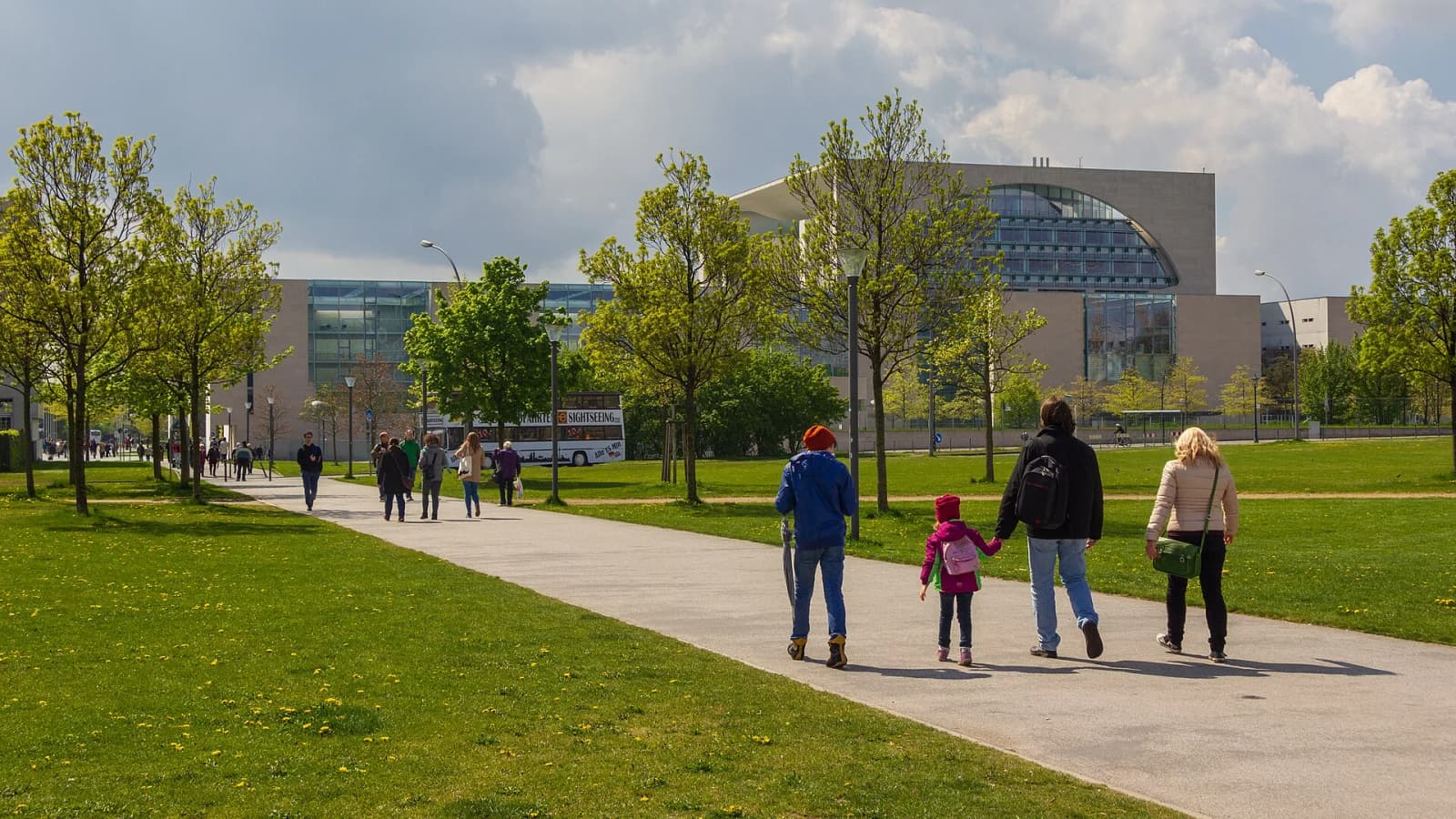
Merz made the announcement at a joint news conference with the emir after talks at the Federal Chancellery, Al Jazeera reported. According to the Berliner Zeitung, which cited the German government, the money is to go mainly into artificial intelligence, semiconductors and aviation.
What did Germany and Qatar sign in Berlin?
The two governments signed five agreements and letters of intent, the Berliner Zeitung reported. They cover economic and investment cooperation, security and defence, cooperation between security agencies and better protection against cyberattacks. A separate letter of intent on energy encourages companies to look at investment opportunities in the sector.
Merz said Germany also wanted to build defence-industry partnerships with Qatar. The newspaper said the joint declaration described the relationship as a "360-degree" cooperation that now includes security and defence, but it did not list specific projects that would receive the new investment.
What was said about Iran and the Strait of Hormuz?
Iran and shipping through the Strait of Hormuz were at the centre of the political talks. Merz praised Qatar's role as a mediator between the United States and Iran, called for the strait to be reopened permanently and urged Tehran to stop its military nuclear programme, according to Al Jazeera.
President Frank-Walter Steinmeier, who received the emir with military honours, proposed a regional security conference for the Middle East to build trust and tackle security disputes. Steinmeier also expressed solidarity with Qatar over what he called Iran's unjustified attacks, the Berliner Zeitung reported. He hosted a state banquet for the emir in the evening.
Sheikh Tamim said lasting peace and security could only be reached through a political agreement, and described Germany as an important partner. Qatar's state news agency QNA reported that he told Steinmeier Qatar wants the first round of formal strategic talks between the two countries to go ahead, according to Al Jazeera. Al Jazeera also reported that the emir invited Steinmeier to the Doha Forum on 5 and 6 December.
How big are Qatar's existing ties with Germany?
Qatar already owns stakes in Volkswagen, Siemens, RWE, Deutsche Bank and Hapag-Lloyd, according to the Berliner Zeitung. Qatar's Minister of State Ahmad bin Mohammed Al Sayed put bilateral trade in 2025 at more than €1.8 billion, the newspaper said.
The new pledge follows an earlier one. In 2018 the emir announced a €10 billion investment in Germany over five years at a business forum in Berlin. The Berliner Zeitung noted that it is not clear how much Qatari investment has actually grown since then.
Who criticised the visit?
Several groups called for peaceful protests on Friday and Saturday against the closer economic and security ties, the Berliner Zeitung reported. The Society for Threatened Peoples, a German human rights organisation, urged Merz to raise human rights violations openly with his guest.
What happens next?
The emir's state visit continues into a second day. The German government has not yet published which projects the €15 billion will fund, and the timing of the first round of formal strategic talks has not been announced.
The visit comes a day after Merz hosted European leaders in Berlin to discuss Ukraine, as MapMyTimes reported. The disruption to Gulf energy flows was also a central theme of the International Energy Agency's latest World Energy Outlook.