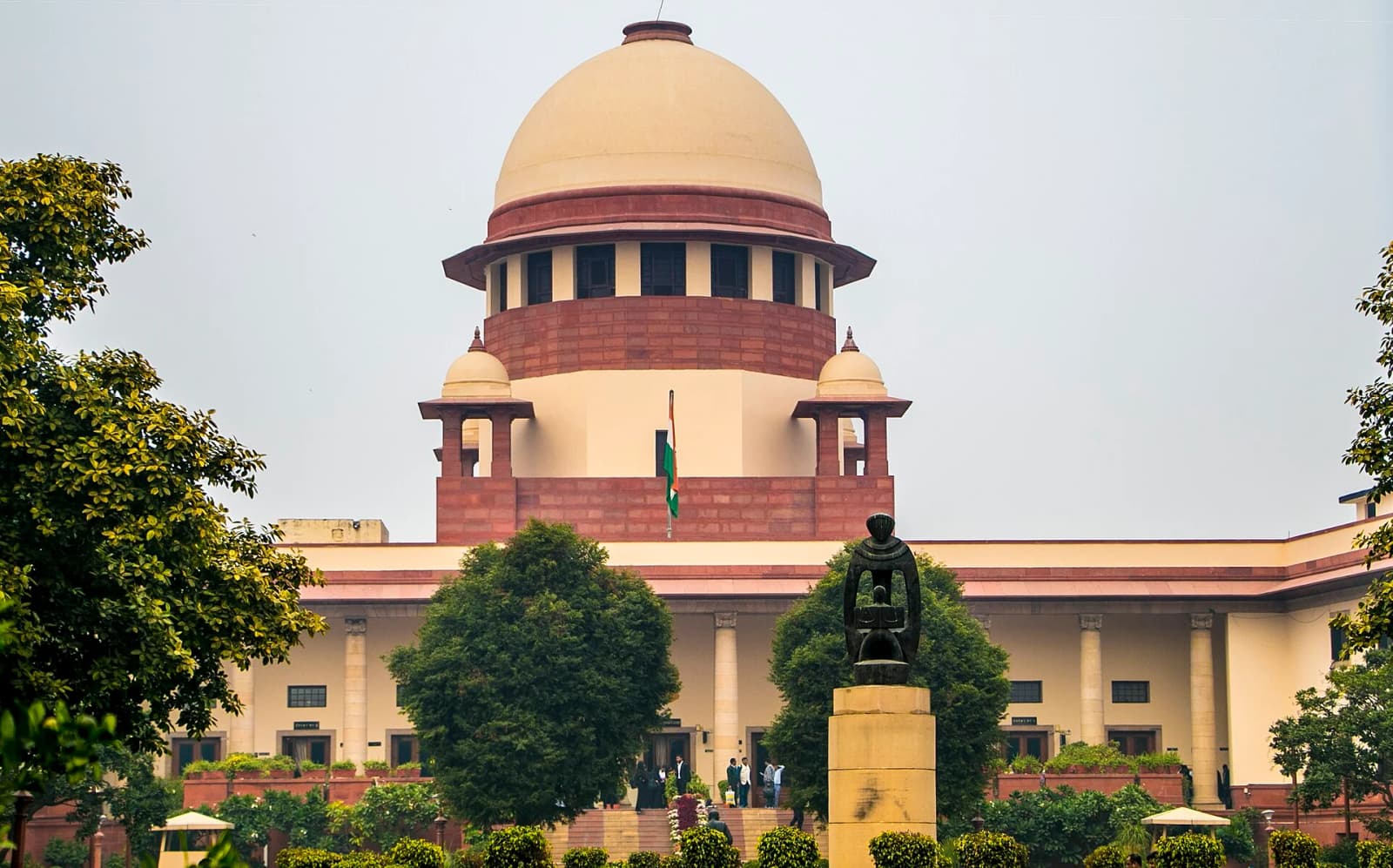
This is a MapMyTimes opinion piece. On 26 November 2026, the Supreme Court of India gave the Food Safety and Standards Authority of India (FSSAI) four months to finalise front-of-pack warning rules, ordering that packaged foods high in sugar, salt or saturated fat each carry a separate red warning, as MapMyTimes reported. Our view is that the court has done the right thing, and that the hard part now is making the rules credible and workable.
Why this ruling matters
The case has been running for years. According to Down To Earth, the Union government deferred a decision on red warning labels in 2018, and the regulator later favoured a health star rating, which grades a product's overall nutrition rather than flagging specific nutrients. Forbes India reported that FSSAI told the court in February 2026 it would withdraw an earlier draft for more research, and in August proposed warnings only for products high in two or more nutrients, rolled out in two phases.
The bench of Justices J B Pardiwala and K Vinod Chandran has now set a clear direction: one red hexagon per nutrient, each reading "HIGH FAT", "HIGH SUGAR" or "HIGH SALT", and each covering not less than 4 to 5 per cent of the main display panel, according to Down To Earth's account of the 131-page judgment. The court grounded its order in Article 21 and Article 47 of the Constitution, and wrote that "the label is the only witness at the point of sale."
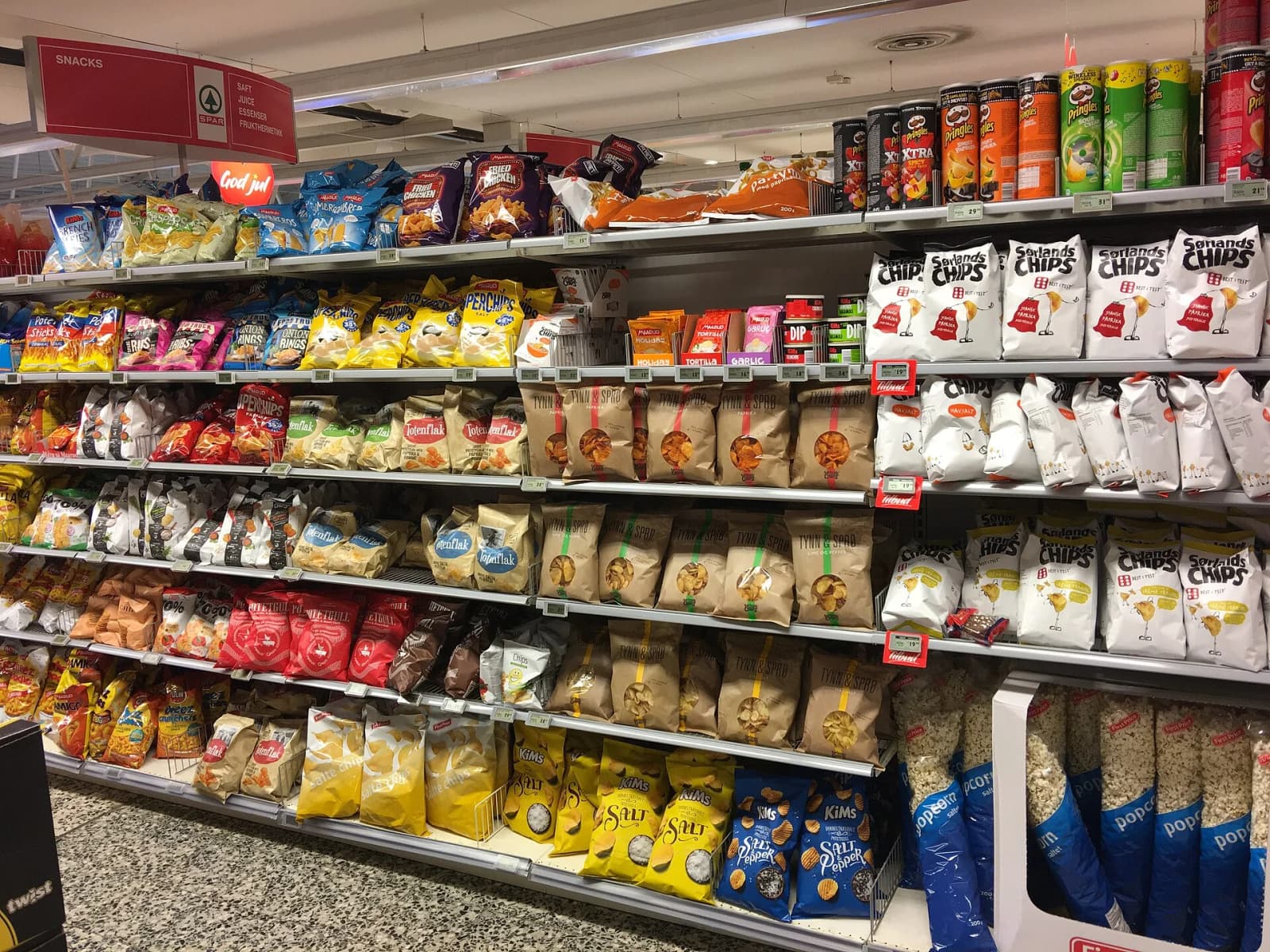
That line captures the core argument. A shopper deciding between two packets in a few seconds will not read a dense nutrition table on the back. A clear warning on the front gives everyone, regardless of literacy in nutrition science, the same basic information. That is a modest, reasonable demand to make of products sold to millions.
The strongest objection deserves an answer
Industry concerns are not frivolous. Ashwin Bhadri, founder and chief executive of Equinox Labs, told Forbes India that "even within the same category, two products can have very different nutritional profiles," and called reformulation "a business risk" for smaller makers. Thimmaiah Napanda of packaging supplier Alternicq said printed packs that no longer comply may have to be scrapped. A food processors' association, Forbes India reported, questioned the criteria for deciding which products get a label.
The fairest version of this argument is that badly designed thresholds could penalise products unfairly, and that compliance costs fall hardest on small firms with thin margins. If thresholds are set carelessly, labels could also lose public trust quickly.
But these are arguments for getting the details right, not for delay. The court itself asked FSSAI to review thresholds for each nutrient and consider total sugars and saturated fat, and to take international practice into account. Firms will reportedly have a year after notification to comply, which gives time to use up packaging stocks and plan reformulation.
What should happen next
First, FSSAI should publish its proposed thresholds together with the evidence behind them, and invite open comment within the court's timeline. Down To Earth quoted the group Nutrition Advocacy in Public Interest as saying that setting scientifically sound thresholds is now the regulator's most important task. We agree.
Second, the regulator should consider practical help for small manufacturers, such as clear guidance documents and testing support, so the burden does not fall unevenly.
Third, labels work only if people understand them. A public awareness effort explaining what the red hexagons mean would make the rule far more useful.
The Supreme Court will hear the matter again in about 10 weeks, when FSSAI is expected to report its progress. The aim should be simple: a label that is honest, consistent and easy to read. Consumers, and responsible manufacturers, both gain from that clarity.
Photo source · Subhashish Panigrahi, CC BY-SA 4.0