Prices of several premium rice varieties eaten across southern India have nearly doubled over the past year, even though government granaries are holding record stocks, according to a Reuters analysis published from Mumbai on 26 November 2026. The report said the national average rice price rose 12.5% in October from a year earlier, as food inflation climbed to its highest level in nearly two years. Here is what is driving the gap between full warehouses and costlier plates, and what New Delhi has done so far.
Why are rice prices rising when stocks are at a record?
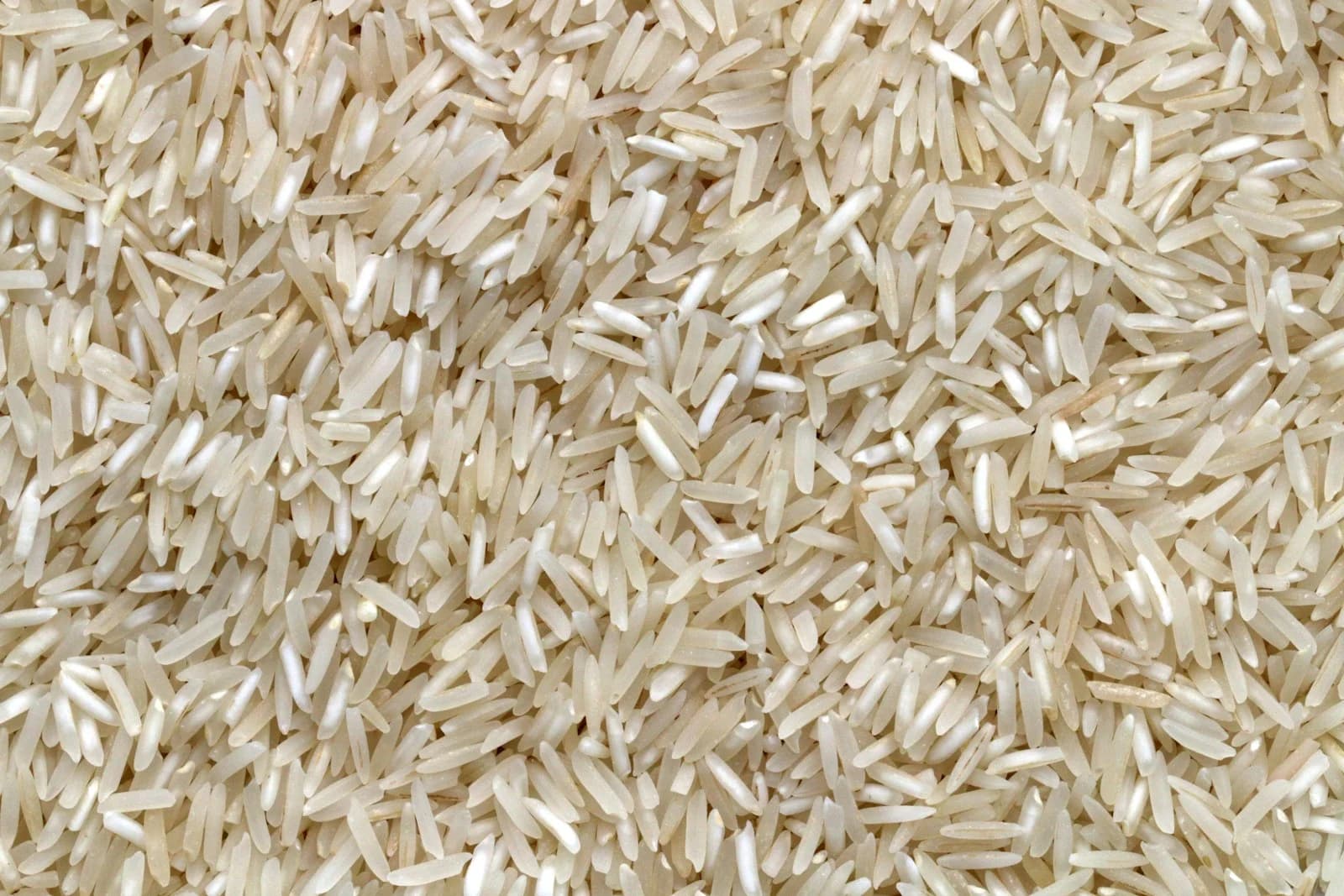
Because the rice in government stores is largely not the rice southern households are short of. India began the new season on 1 October with 55.47 million tonnes of rice in stock, more than four times the government's buffer norm, Reuters reported. But Rice Exporters Association president B.V. Krishna Rao told the agency that these stocks are mostly common varieties, which cannot easily stand in for the premium non-basmati grades that consumers in the south prefer.
The varieties under the most pressure include Seeraga Samba, Sona Masoori, HMT and BPT, according to the report. A PTI report from 6 November quoted sources as saying wholesale Sona Masoori had risen to Rs 65-70 per kg, from Rs 50 a month earlier.
What went wrong with the crop?
The main trigger is weather. Reuters said India's rice output is set to fall for the first time in a decade, and by the steepest margin in nearly 20 years, after the weakest monsoon in more than a decade hurt yields while grains were maturing. Southern states took the biggest hit from the rainfall deficit.
Official sowing data reported by PTI showed kharif paddy area for 2026-27 down about 4% at 42.68 million hectares. Trade estimates cited in the same report put 2026-27 rice production at around 147 million tonnes, against a record 154 million tonnes in 2025-26.
Who else is competing for rice?
Demand is also coming from outside the kitchen. Poultry and cattle feed makers and ethanol distillers are buying more broken rice as a cheaper substitute for corn, which is trading at record prices, Reuters reported. Government curbs on diverting sugar for ethanol have pushed distillers further towards rice, tightening supply of the broken grains.
How much have retail prices risen?
According to figures cited by PTI on 6 November, retail rice inflation rose to 8.25% year-on-year in September from 5.89% in August, and the average retail price was about Rs 48.23 per kg, roughly 12% higher than a year earlier. Reuters' later figure of a 12.5% annual increase in October suggests the pressure has not eased.
What has the government done so far?
On 6 November, the Centre ordered traders, wholesalers, retailers, large retail chains, processors and millers in every state and Union Territory to declare their rice and paddy stocks, PTI reported. Holdings must be reported in six categories, from basmati and premium non-basmati to parboiled rice, broken rice and paddy, and updated every Friday on the government's Food Stock Portal. Units that do not register or breach stock limits face action under the Essential Commodities Act, 1955.
In a separate letter the same day, the Centre allowed Andhra Pradesh, Karnataka, Kerala, Tamil Nadu and Telangana to impose stock limits on rice and paddy through state control orders, valid until 31 January 2027. That consent does not by itself fix any quantity limit; each state has to notify its own.
The government also doubled its 2026-27 target for selling rice to private buyers through e-auctions under the Open Market Sale Scheme (Domestic), from 25 lakh tonnes to 50 lakh tonnes, according to PTI. About 25 lakh tonnes had already been sold by 31 October, compared with 11 lakh tonnes in the same period a year earlier. Additional rice is also being given to NAFED, NCCF and Kendriya Bhandar for sale as subsidised "Bharat Rice", with a focus on southern states.
What could come next?
Reuters listed several options that remain open. On exports, these include a 20% duty on non-basmati shipments, a minimum export price, or a ban on exporting 100% broken rice, as India did in 2022. At home, the government could offer even more rice from its inventories, widen subsidised sales through state outlets and tighten oversight of private stocks.
Export curbs carry a cost. India is the world's largest rice exporter and accounts for nearly 40% of global trade, Reuters noted, so higher export taxes could hurt its competitiveness against Thailand, Vietnam and Pakistan. More targeted steps could limit disruption to overseas sales.
Why it matters
Rice is a daily staple for hundreds of millions of Indians, and the squeeze is concentrated in specific regions and grades rather than across the country. Trade experts quoted by PTI said the situation is not a nationwide crisis given comfortable government stocks. The global picture is also tightening: the UN food agency recently flagged tighter rice balances in its latest Food Outlook. Whether the stock limits and extra sales cool southern prices before the next harvest will be the key test in the coming weeks.