Police, customs and food regulators in 57 countries seized counterfeit and substandard food and drink worth about EUR 79 million during Operation OPSON XV, a joint crackdown coordinated by Europol and INTERPOL whose results were announced on 25 November 2026. The operation, which ran from December 2025 to May 2026, led to 79 arrests and disrupted 18 organised crime groups.
What did Operation OPSON XV find?
Investigators found fraud on a large scale across everyday staples, from olive oil and honey to meat, wine and seafood. According to figures reported by Food Safety Magazine, authorities carried out 17,071 inspections and seized 526,328 counterfeit items, 227,800 litres of adulterated beverages and 1,653,069 kg of substandard food. A further 428 people were reported to judicial authorities.
Meat and meat products, alcoholic drinks, and fruit and vegetables were the categories most often involved. Violations were also recorded in fats and oils, seafood, animal feed and soft drinks. Investigators flagged practices such as relabelling expired food for resale, food supplements containing undeclared pharmaceutical ingredients, and poor hygiene at production sites.
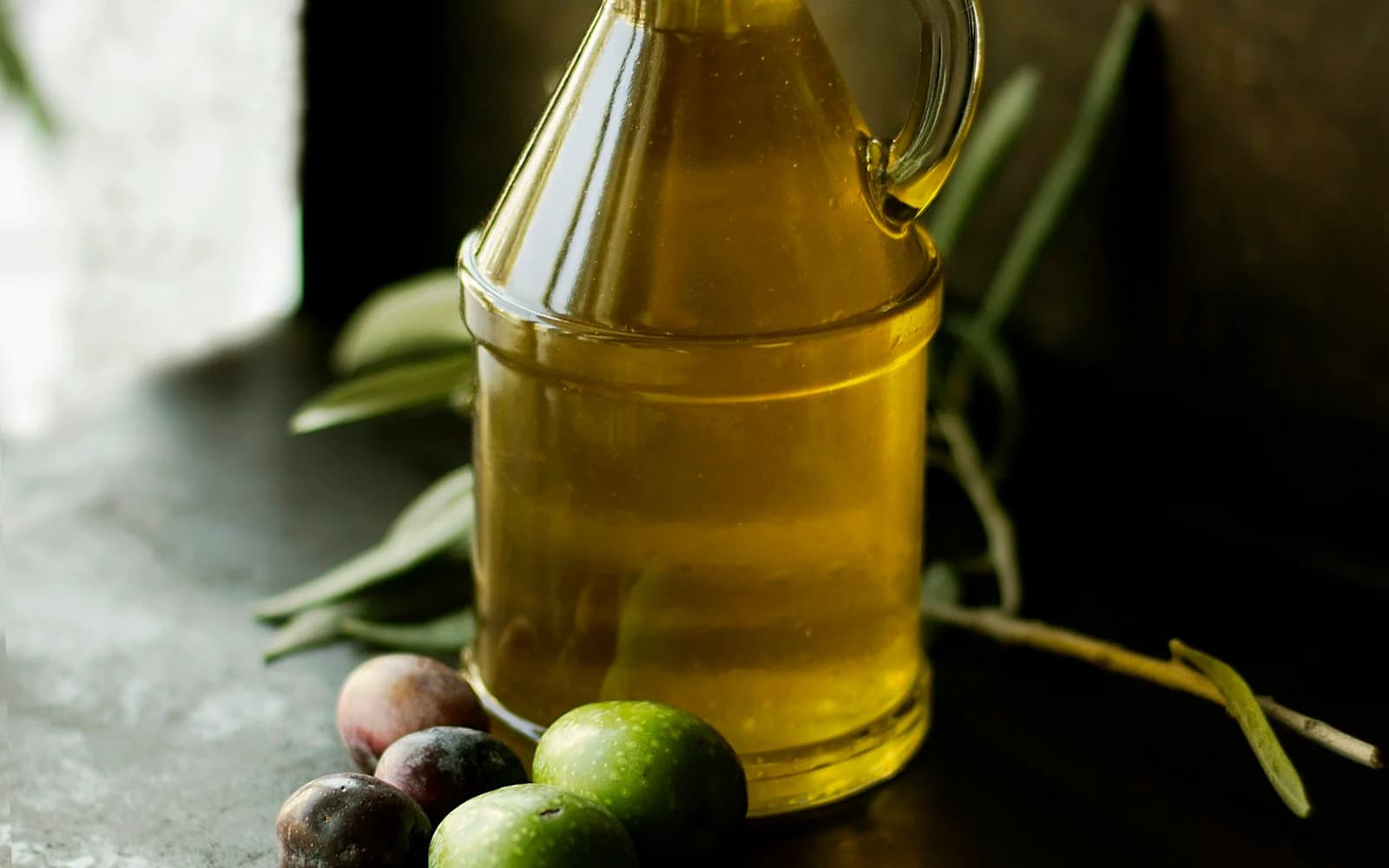
The Europol announcement singled out olive oil fraud, the illegal horse meat trade and repackaged expired food among the networks targeted.
Which cases stood out?
- Portugal: About 10,000 litres of ordinary vegetable oil were being sold as virgin olive oil, partly through social media. Officers also seized around EUR 200,000 in cash and four firearms, and three people were charged.
- Belgium and Italy: Checks on the horse meat trade uncovered falsified horse passports, reused microchips and residues of phenylbutazone, a veterinary drug banned in animals meant for the food chain.
- Brazil: Authorities seized 90 tonnes of adulterated commodities, including 48 tonnes of sugar and 42 tonnes of soybeans.
- Canada: More than 10 tonnes of honey were found to be mixed with sugar syrups, detected using NMR profiling.
- Spain: 227 kg of farmed fish were being passed off as wild-caught, and two people were arrested.
- Turkiye: Officials seized 4,150 litres of counterfeit olive oil and 970,000 packaged food products worth about EUR 750,000.
- United Kingdom and Italy: Investigators traced 90 pallets of counterfeit or mislabelled wine and prosecco worth nearly EUR 600,000 at retail prices.
What role did EU customs play?
The European Anti-Fraud Office (OLAF) led the customs side of the operation within the European Union. In its press release of 25 November 2026, OLAF said EU member states' customs authorities seized more than 173 tonnes of food, over 193,000 pieces of counterfeit seasonings, about 24,800 litres of illicit alcohol, mostly homemade spirits and wine, and more than 14,500 litres of fake soft drinks. Fish, seafood, fruit, vegetables, meat, dairy, oils, spices and supplements were among the goods stopped.
Why it matters
Food fraud is mainly about money, but it can also put health at risk. Banned veterinary drug residues, hidden pharmaceutical ingredients in supplements and expired food sold under new labels all expose shoppers to hazards they cannot see on the packet. Some of the commodities involved, such as honey and olive oil, carry high prices, so even a small amount of substitution pays well.
The operation comes as regulators elsewhere are also tightening checks. In India, recent action has included the Food Safety and Standards Authority of India's prosecution sanction against a bottled water plant in Jalpaiguri, and FAO and WHO recently trained 56 nations on linked foodborne outbreak response systems.
What happens next?
Cases opened during the operation now move through national courts and regulators in the countries involved. OPSON is run every year, so the findings will shape where enforcement agencies look next.