The World Health Organization (WHO) and the Food and Agriculture Organization (FAO) have trained more than 490 food safety inspectors, public health officers, Codex contact points and emergency focal points across over 56 Member States to strengthen cross-border responses to foodborne disease outbreaks.
Connecting Global Standards With Real-Time Outbreak Alerts
Reported on November 26 after three intensive sessions held from November 3 to 5, the training spans the WHO African and Eastern Mediterranean regions alongside FAO's Africa and Near East and North Africa offices. The programme bridges three pillars that often operate separately during crises: Codex Alimentarius standards, the International Food Safety Authorities Network (INFOSAN), and the International Health Regulations (IHR).
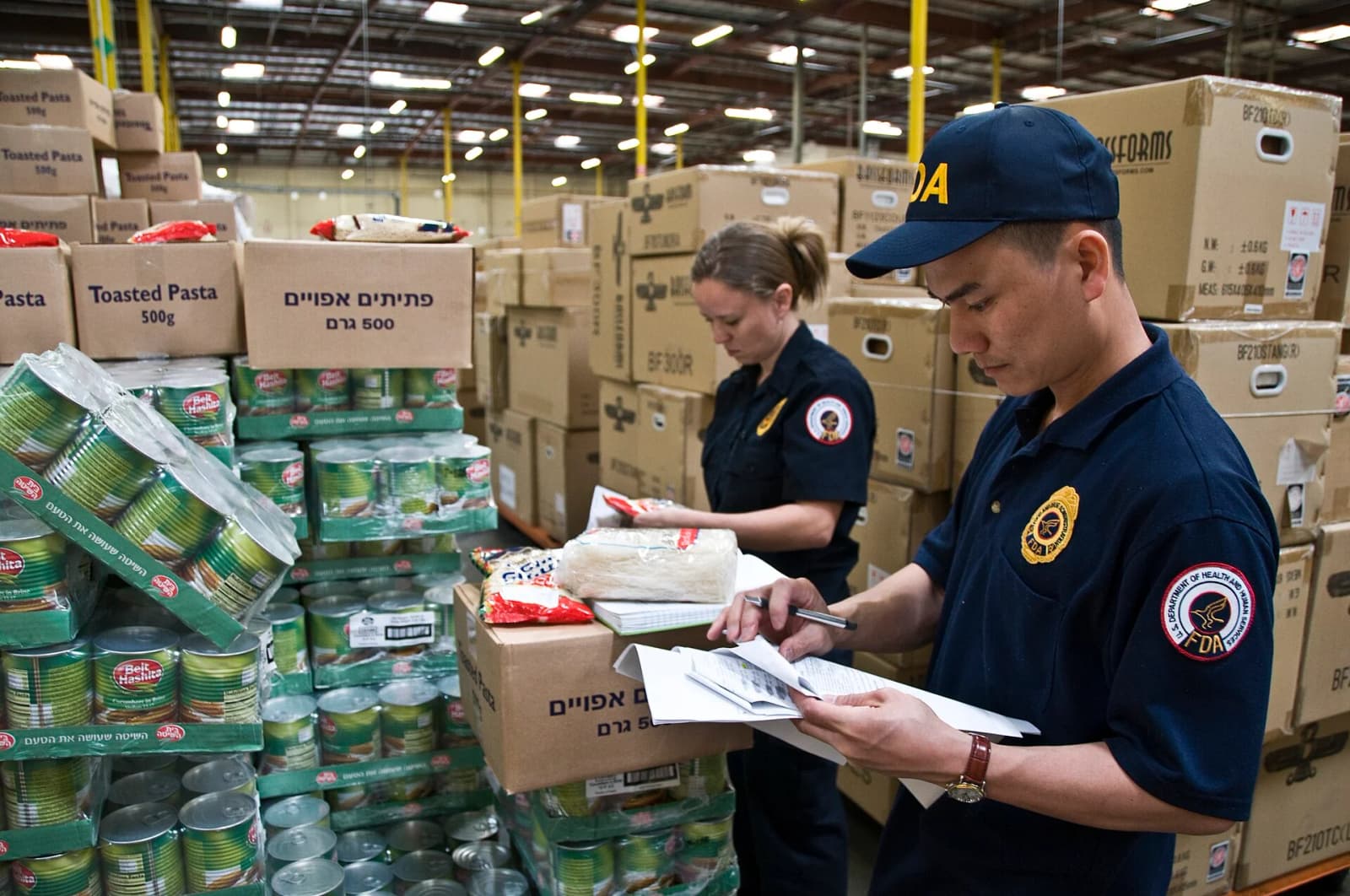
Technical experts from Canada, Ghana, Oman, Saudi Arabia and the United Kingdom guided national teams through practical trace-back exercises, targeted food sampling, product recalls and emergency risk communication using Codex Hazard Analysis and Critical Control Point principles (CXC 1-1969) and outbreak guidance CXG 96-2022.
Lessons for Faster Cross-Agency Coordination
Participants worked through simulation scenarios showing how rapidly food contamination can cross borders before full laboratory confirmation is complete. "The key insight was how each agency fits into the bigger food safety network," said Jerome Soglo of Ghana's Food and Drugs Authority.
Iranian epidemiologist Mojtaba Piri noted that linking field outbreak investigations with rapid INFOSAN notifications reduces diagnostic delays and strengthens both public health protection and confidence in international food trade.