Strawberries, cucumbers and lemon basil are emerging as promising fresh foods for astronauts on future Moon and Mars missions, the United States space agency NASA said in a Thanksgiving-week article on future space menus posted by its Science Editorial Team and last updated on 27 November 2026. The testing is led from NASA's Kennedy Space Center in Florida with university partners in the United States and Australia.
Beyond adding flavour and nutrition, NASA notes that crops grown in space can absorb carbon dioxide, produce oxygen and recycle water, functions that become more valuable the further crews travel from Earth.
Why does NASA want strawberries in space?
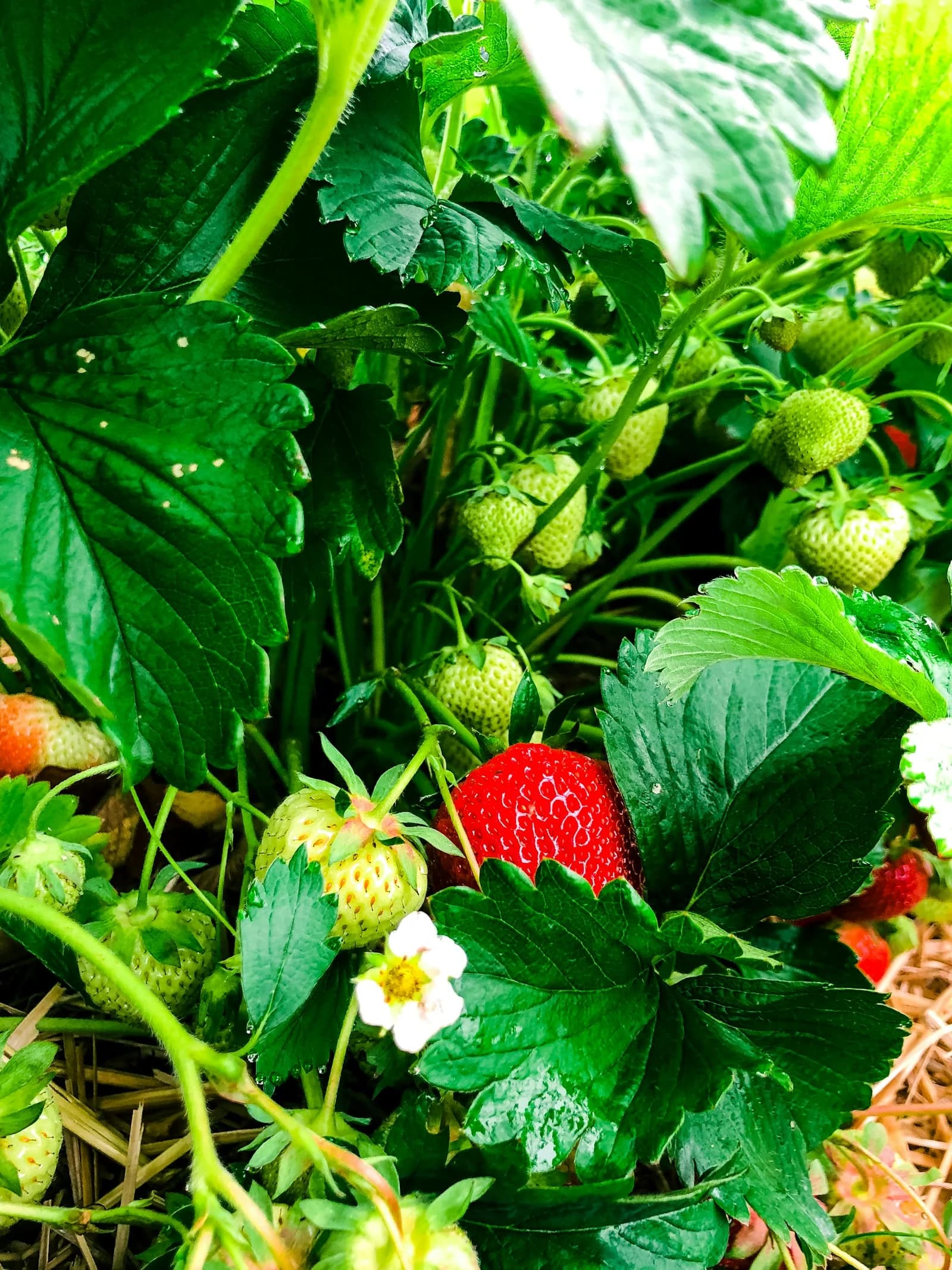
Strawberries are one of the few sweet fruits under consideration for spaceflight, and NASA describes them as nutritious, aromatic and self-pollinating, which matters in a spacecraft with no bees. Kennedy researchers are growing them in growth chambers built to mimic flight conditions, with the Australian Research Council Centre of Excellence in Plants for Space as a partner.
In a study published in September in the journal Life Sciences in Space Research, scientists from NASA Kennedy, the University of Melbourne and the University of Western Australia compared a wild alpine strawberry with 'Delizz', NASA's leading strawberry candidate, under simulated space conditions.
- Delizz bears large red fruit, while the wild variety produces small yellow berries because of a recessive genetic mutation.
- Grown from seed, the wild strawberry produced twice as many buds, flowers and fruit as Delizz.
- But the wild plant also sent out too many runners, which would eat into scarce spacecraft room, so Delizz kept its place as NASA's top pick.
Could cucumbers be the first gourd grown in orbit?
Yes, if testing goes well. Many crops have already been grown in space, but none from the gourd family. NASA-funded researchers evaluated cucumber growth, yield and nutrition under spaceflight conditions in work published in August in HortScience. The plants showed some enlarged leaves but kept producing a steady stream of edible fruit, according to NASA.
The agency says a wider range of crops supports astronauts' diets and mental well-being, and that plant variety improves the odds that something will grow successfully on a long mission.
Where does lemon basil stand?
Lemon basil, an edible herb with a citrus scent and taste, has passed a preliminary round of space crop testing at Kennedy. It has also come through seed sanitisation, the step that strips microorganisms from seeds before they can fly. Its next test is growth inside "plant pillows", the small growing units used aboard the International Space Station. NASA notes that fresh herbs help relieve menu fatigue on long missions.
What happens next?
NASA says a new investigation from its Biological and Physical Sciences Division is set to launch to the International Space Station with a first-of-its-kind prototype growth chamber, intended to inform crop production systems for future Moon base habitats and Mars missions. The article does not give a launch date. MapMyTimes earlier reported that NASA's NG-25 cargo mission will carry a prototype space crop chamber to the station; NASA's crop article does not explicitly link the two.
The NASA article contains no quotes from named scientists, and the strawberry and cucumber results come from studies published in August and September rather than new experiments announced this week.