Researchers at the Good Food Institute India (GFI India) have outlined a regional hub model to convert agricultural crop residues into standardized inputs for microbial food fermentation, offering both a sustainable protein pathway and an alternative to open-field stubble burning.
Turning 180 Million Tonnes of Surplus Into Food Inputs
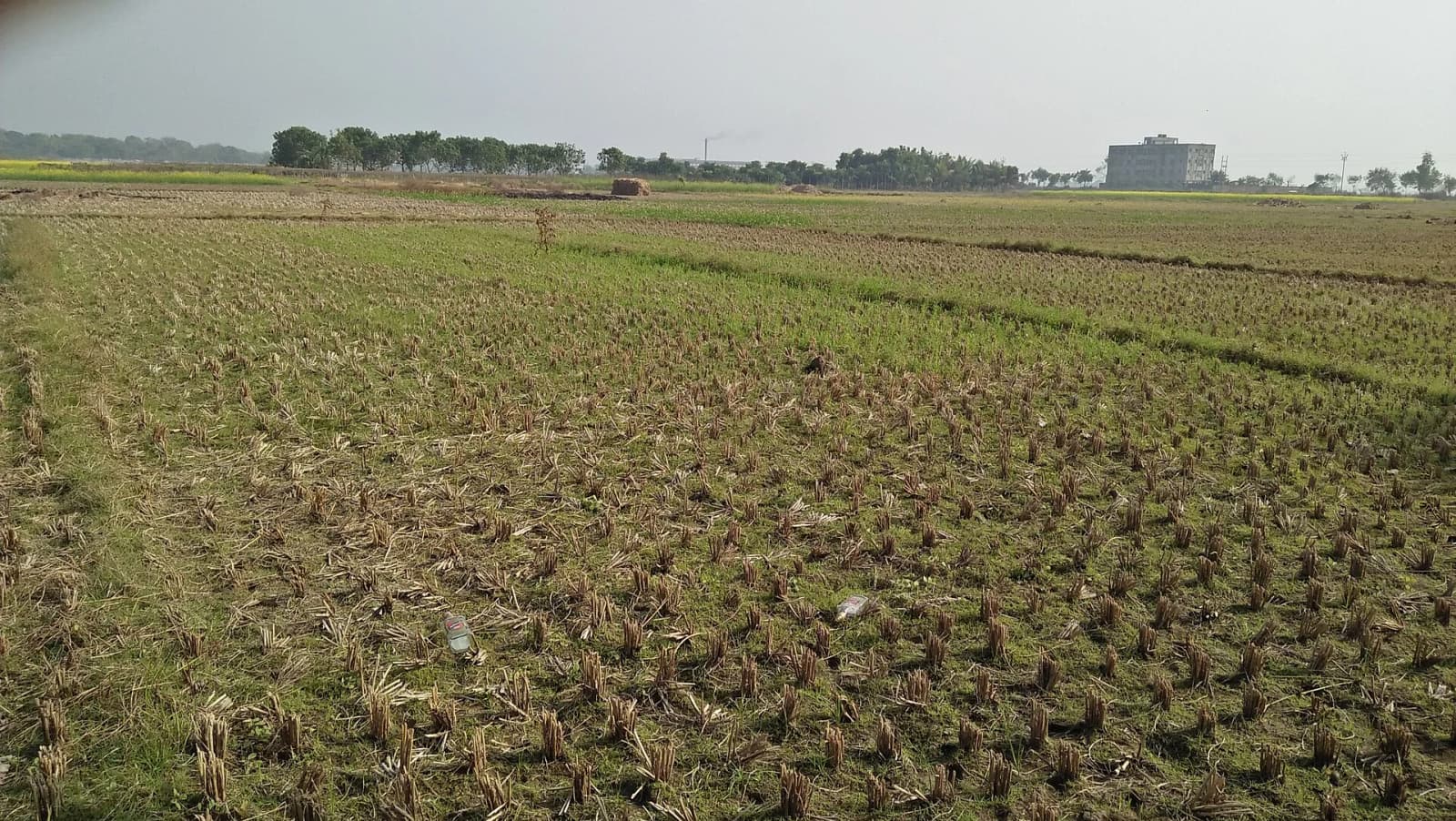
Published on November 27, 2026 in Frontiers in Sustainable Food Systems by Ravi Shankar Audichya, Samrat Deb, and Astha Gaur, the review examines how India's roughly 500 million metric tonnes of annual crop residues — including around 180 million metric tonnes of exploitable surplus led by wheat straw, rice straw, cotton stalks, and sugarcane bagasse — could supply protein-rich food production.
In high-output states such as Uttar Pradesh, Punjab, and Maharashtra, open burning of roughly 92 million tonnes of agricultural waste contributes heavily to seasonal air pollution. High silica levels in northwestern rice straw also limit its use as livestock fodder, increasing the appeal of industrial bioconversion.
Standardized Hubs, Biofoundries, and BioE3 Alignment
Because seasonal harvests, moisture variability, and lignocellulosic pretreatment add technical risk and cost, the authors recommend establishing decentralized collection and preprocessing hubs backed by standardized grading and traceability contracts.
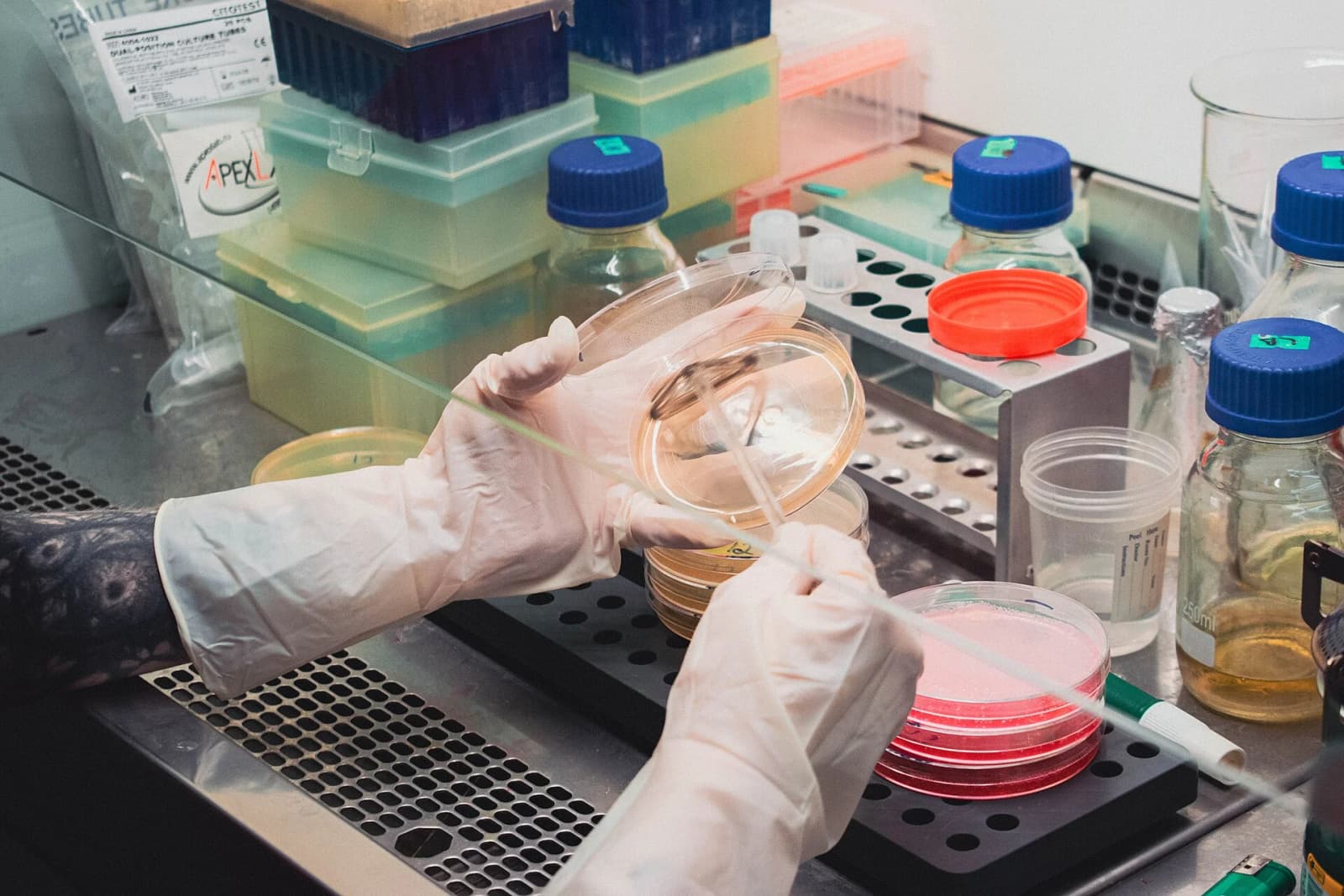
- Microbial Protein Output: Whole-cell biomass fermentation using bacteria, yeasts, microalgae, or filamentous fungi can produce 30% to over 80% crude protein by dry weight alongside balanced essential amino acids.
- Existing Infrastructure: Building on an earlier assessment with Sathguru Management Consultants, the study identifies existing food-grade fermentation capacity in brewing, yeast, and probiotic sectors alongside planned BioE3 biofoundries for shared demonstration trials.
- Policy & Safety Pathways: The authors urge coordinated action under India's BioE3 policy, clearer regulatory assessment for ingredient safety and labelling, and regional harvest-cycle demonstration projects.
By running pilot hubs through full harvest cycles, developers can validate batch consistency and production costs before scaling commercial food-ingredient plants.