St. Louis: Chemical and environmental engineers at Washington University in St. Louis have demonstrated an artificial photosynthesis system that transforms captured carbon dioxide into an edible, protein-rich fungus in just seven days, offering a low-water, low-land pathway for sustainable food production.
Tandem Catalysis Feeds Picky Edible Fungus
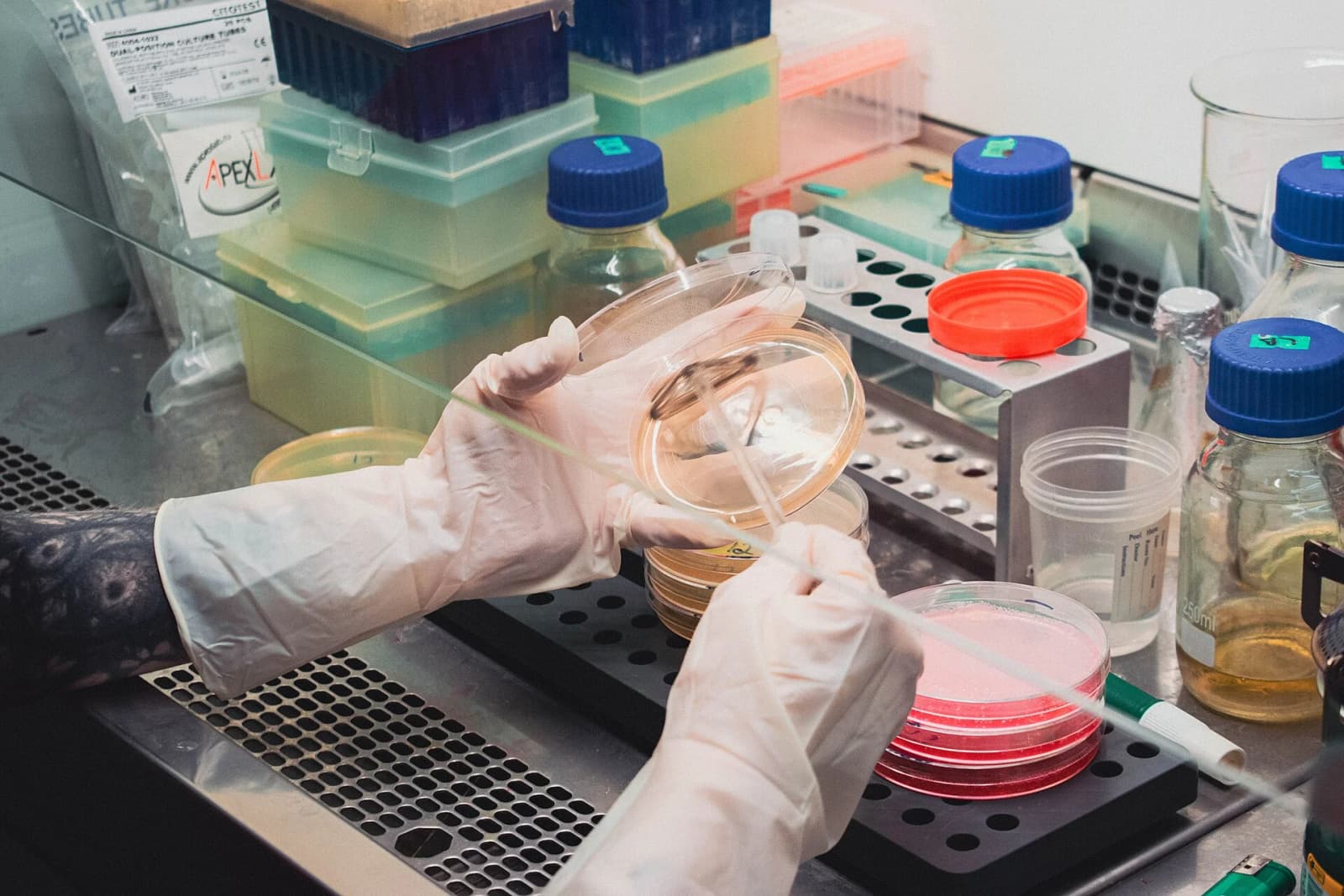
Published in the November 20 issue of One Earth, the study from Professor Joshua Yuan and doctoral researcher Wei Wei at the McKelvey School of Engineering relies on electrocatalysis coupled with fermentation. A specialized copper-gold tandem catalyst converts waste carbon dioxide into ethanol and acetate while suppressing unwanted formate that inhibits the growth of Neurospora intermedia.
Familiar in Indonesia for making fermented oncom and structurally comparable to existing fungal meat alternatives, the harvested biomass also supplies beta carotene, B vitamins, and unsaturated fatty acids.
Sharp Gains Over Soybeans and Beef
Experimental metrics reported by the National Science Foundation-supported Carbon Utilization Redesign for Biomanufacturing (CURB) team show Neurospora intermedia contains 48.5% protein, exceeding beef at 20.4% and soy at 36%. Each batch matures in seven days compared with 122 days for soybeans and 645 days for beef cattle.
Producing one kilogram of fungal protein requires about 794 litres of water, far lower than roughly 5,970 litres for soy and 75,600 litres for beef, while converting solar energy at 4.35% efficiency and yielding 22 times more protein per unit of land than soy.
Toward Commercial Scale and Food Security
Yuan said powering the electro-biomanufacturing reactor with renewable wind or solar electricity could achieve net-negative greenhouse gas emissions across its life cycle, with applications ranging from addressing urban food deserts to supplying closed-loop nutrition on long space missions.
Backed by WashU's Office of Technology Management, CURB plans to spin out a dedicated startup to scale production and develop consumer-ready foods.