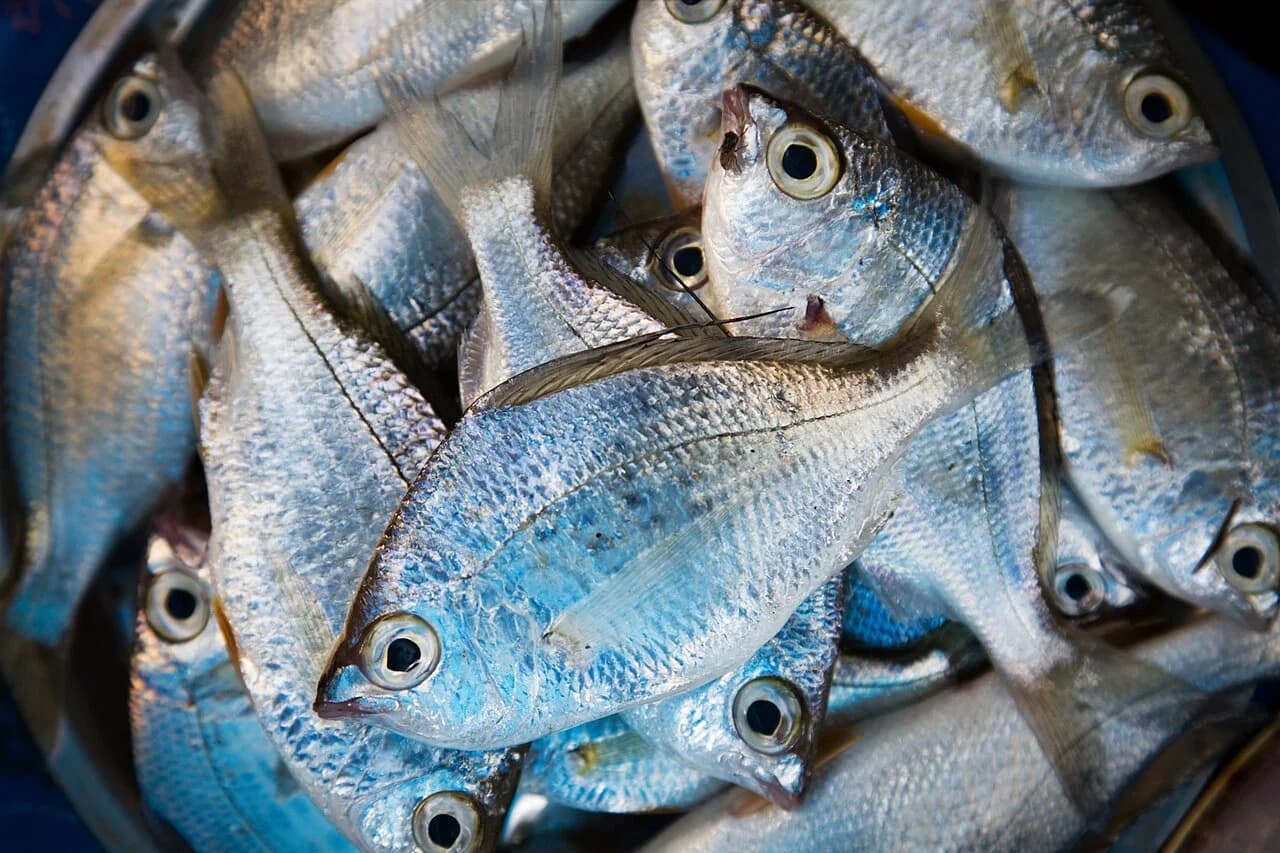
Food safety enforcement teams in Telangana seized and destroyed about 858 kg of spoiled fish and prawns during inspections at the Ram Nagar and Begum Bazaar fish markets in Hyderabad on Friday, 27 November 2026. The Food Wing of the Telangana Standards Authority for Food and Essential Drugs (TG SAFE) put the value of the discarded seafood at Rs 1,56,880.
The drive covered 19 fish-selling establishments and street vendors across the two markets. Closure notices were issued to two establishments at the Ram Nagar market, according to The Hans India.
What did inspectors find in the fish markets?
Inspectors found seafood that was rotten or spoiled, along with a long list of hygiene and licensing lapses. According to reports by The South First and The Hans India, the violations included:
- sellers operating without a mandatory FSSAI licence or registration;
- fish and prawns kept in unhygienic conditions, with unclean water and ice used to preserve them;
- no temperature monitoring for chilled fish, and no First In, First Out (FIFO) stock rotation;
- signs of rodent infestation and poor personal hygiene among food handlers;
- dirty or poorly maintained crates and thermocol boxes;
- missing stock registers, employee health records and pest-control documents.
Who carried out the inspections?
The checks were carried out by joint teams of Food Safety Officers, police personnel, technicians from the State Food Laboratory and veterinary officials of the Greater Hyderabad Municipal Corporation (GHMC). TG SAFE described the drives as aimed at identifying food safety violations in the markets.
How was freshness checked?
Officials assessed fish by looking at gill colour, the clarity of the eyes and the firmness and texture of the flesh, and checked prawns for colour and firmness. State Food Laboratory technicians also ran on-the-spot tests for adulterants such as formalin, a chemical that is sometimes misused to make fish look fresh for longer. The seized stock was taken away and disposed of using GHMC sanitation vehicles.
Why it matters
Ram Nagar and Begum Bazaar are busy wholesale and retail points for fish in the city, and seafood is among the most perishable foods sold in open markets. Lapses in ice quality, temperature control and stock rotation can quickly turn fish unsafe, and buyers at the counter have little way of knowing how long stock has been sitting. Licensing under the Food Safety and Standards Authority of India (FSSAI) framework is meant to bring such sellers under regular inspection.
The Hyderabad drive is part of a wider run of local enforcement actions reported in recent days. In Odisha, the Cuttack civic body destroyed over 5 quintals of stale food at Bali Jatra stalls, and in Madhya Pradesh, Bhopal food safety officials inspected JK Road eateries after a complaint about wire in a paneer dish.
What happens next?
Beyond the seizure and the two closure notices, the reports did not detail penalties or prosecutions against the inspected traders. Under the inspections, sellers found without licences or registration would need to regularise their status to keep trading. TG SAFE has not said when it will next inspect the two markets.
Photo source · Jorge Royan, CC BY-SA 3.0