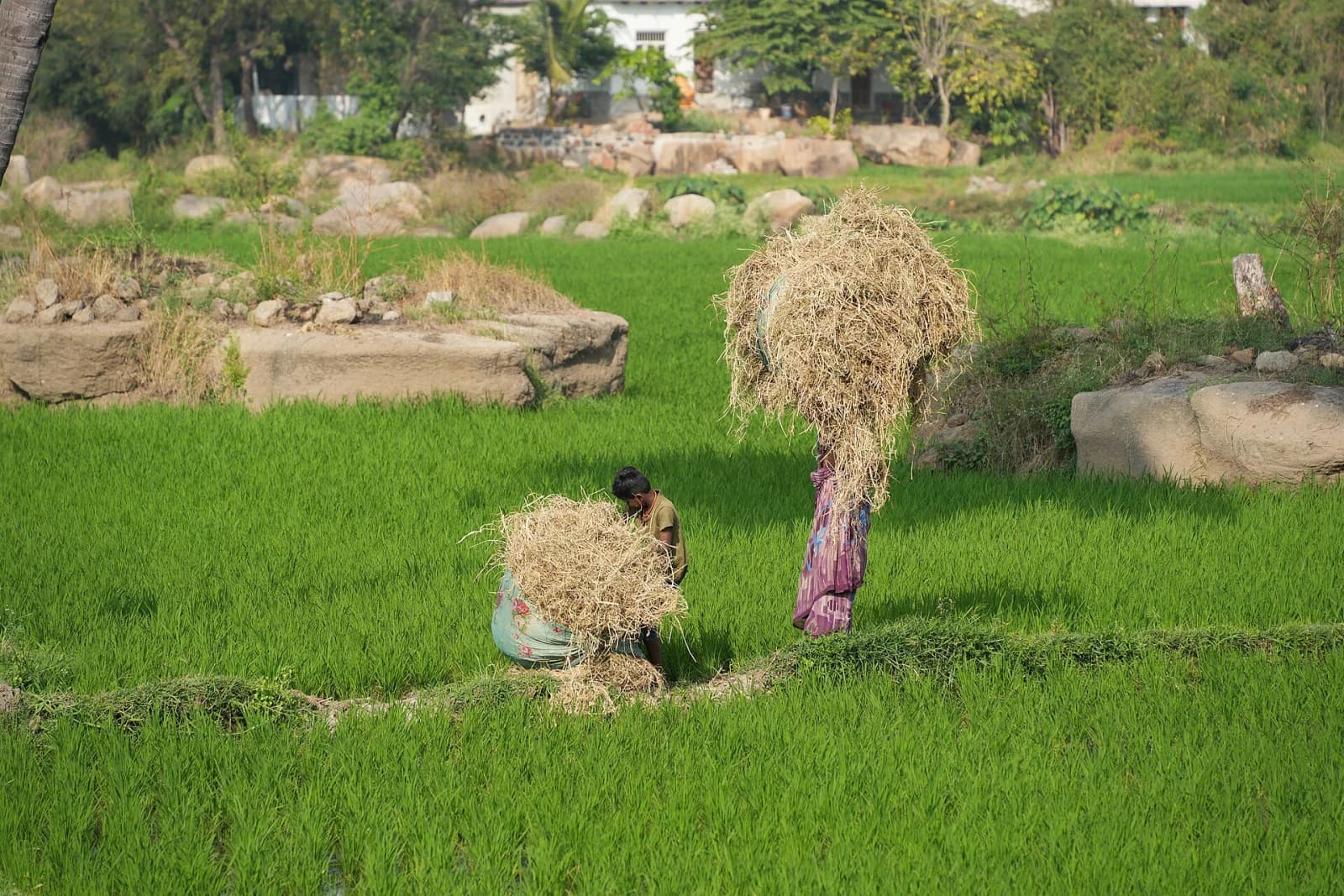
The United Nations Food and Agriculture Organization (FAO) has unveiled a new global farming guide, Optimization and Minimization: Towards Sustainable Plant Production, aimed at helping smallholder farmers produce more and higher-quality food while using fewer water, chemical and land inputs.
Introduced by FAO Director-General Qu Dongyu, the framework arrives alongside warnings that plant pests and diseases continue to destroy up to 40 percent of global agricultural production every year, threatening rural livelihoods and food affordability.
Five Pillars for Resilient Smallholder Farms
Aligned with the FAO Strategic Framework 2022–2031, the guide structures farm transformation around five practical pillars: resilient seed systems, diversified crop production practices, integrated pest management, context-appropriate agricultural mechanisation, and stronger extension and advisory services backed by digital tools.
The report notes that crops currently supply more than 80 percent of global dietary calories and will need to provide roughly 80 percent of the additional food required worldwide by 2050.
Balancing Yield Growth With Environmental Limits
By pairing locally adapted varieties and soil-conserving practices with targeted extension training, FAO argues smallholders can stabilise harvests against extreme weather while curbing unnecessary fertiliser and pesticide runoff.
Agricultural policy specialists say widening access to quality seeds and advisory support remains decisive for small farms across South Asia, Africa and Latin America.