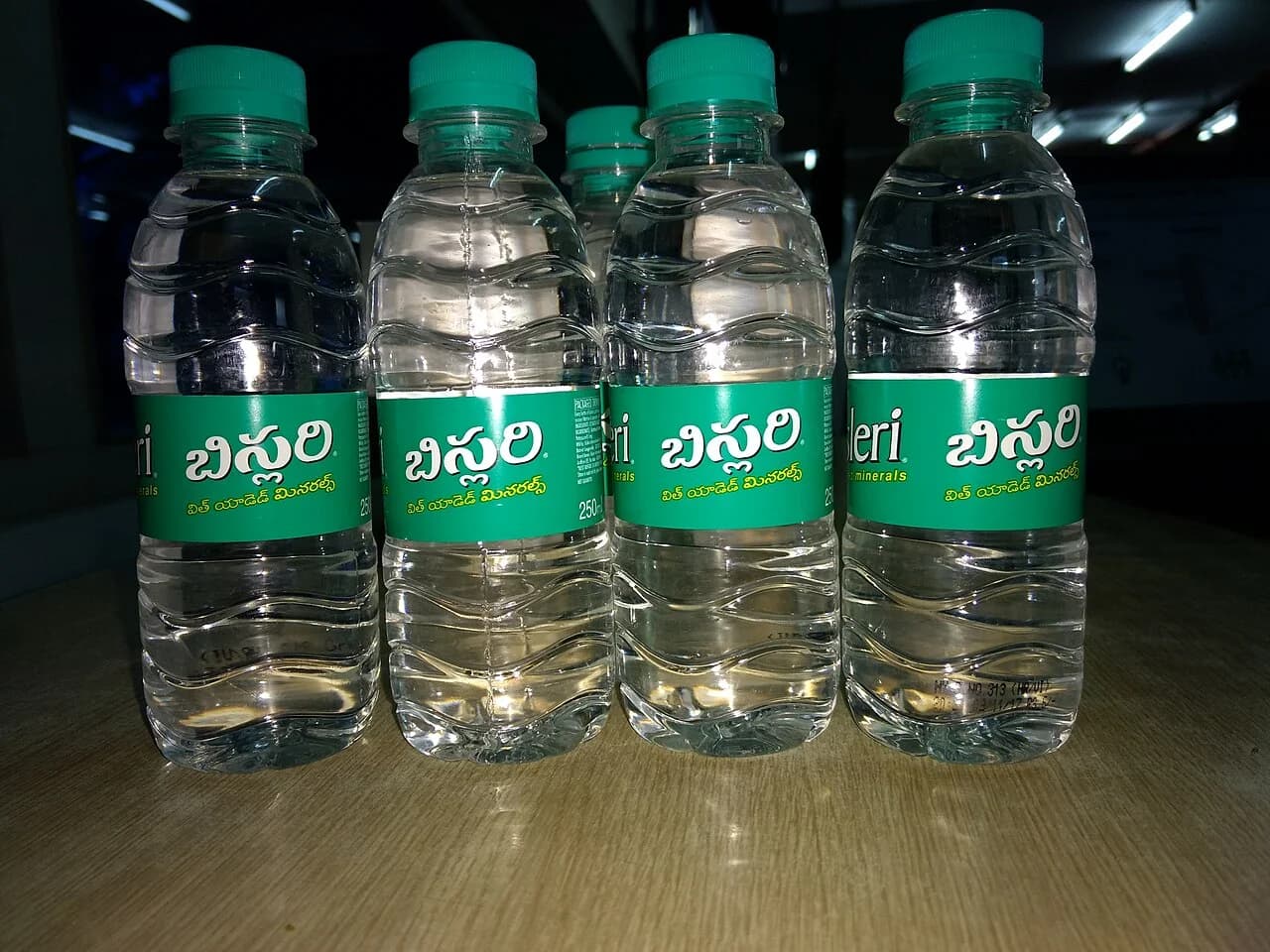
This is a MapMyTimes opinion piece. It responds to the Food Safety and Standards Authority of India's (FSSAI) decision, reported on 28 November 2026, to sanction a second prosecution against Bisleri International after a packaged drinking water sample from its plant in Telipara, Jalpaiguri district, West Bengal, tested positive for coliform bacteria, and to Bisleri's call for a review of what it calls conflicting results. MapMyTimes reported the details in FSSAI Finds Coliform Bacteria in Second Bisleri Sample From Bengal Batch PB201.
What is the dispute about?
The dispute is about whose laboratory result the public should trust when two sets of tests disagree. According to PTI-sourced reports, both FSSAI's primary laboratory and a referral laboratory found coliform bacteria in a sample from batch PB201, and the regulator prohibited sale of that batch on 12 August 2026. Bisleri says it recalled the batch as directed, but that two independent FSSAI-recognised laboratories it commissioned found samples from the same batch met the coliform standard. The company says the gap "warrants a thorough review". Days earlier, FSSAI had sanctioned prosecution over a sample from Bisleri's Goa unit that it said breached bromate limits; a referral laboratory also found that sample unsafe, citing polynuclear aromatic hydrocarbons.
Why does this matter beyond one company?
It matters because bottled water is bought precisely by people who do not trust what comes out of the tap. When one of the country's best-known brands and the national regulator publicly disagree about whether a batch was safe, ordinary buyers are left with two official-sounding claims and no way to judge between them. That uncertainty does not stay with one brand; it spreads to the whole category, including small local bottlers. In Madhya Pradesh, for instance, Gwalior officials found 2,500 litres of bottled water without a manufacturing date at a single plant this week.
The case for caution
There is a fair argument against airing laboratory disputes in public before the legal process runs its course. A prosecution sanction is not a conviction. Sampling, transport and storage can all affect a microbiological result, and a company that has spent decades building a reputation deserves the chance to test the evidence in court rather than in headlines. Bisleri also points out that it acted on the August directive and recalled the batch. FSSAI's chief executive, Rajit Punhani, has himself said enforcement is aimed at compliance, not at causing alarm.
That argument deserves weight. But it is an argument for clearer process, not for silence. The facts that are now public, including the batch number, the sale prohibition and the referral laboratory's finding, reached consumers in pieces, months apart, through news reports and company statements rather than through a single official notice.
What should change?
MapMyTimes believes three steps would serve consumers and honest manufacturers alike.
- Publish recall and prohibition notices promptly. When FSSAI stops the sale of a batch of packaged water, the batch code, plant and date should appear on the regulator's website the same week, so buyers can check bottles they already hold.
- Explain how disputes are settled. When a company's private tests disagree with a referral laboratory, the public should be told in plain language which result carries legal weight and why, including how samples were drawn and stored.
- Release the nationwide survey results in full. Mr Punhani has said FSSAI is collecting packaged drinking water samples across the country, with results expected in one to two months. Those results, brand by brand and parameter by parameter, would do more for public confidence than any single prosecution.
The way forward
Bisleri is entitled to contest the findings, and FSSAI is right to act when its laboratories flag a risk. Neither position is helped by a system in which the public learns about an unsafe batch months later, from press reports and rival statements. A regulator that discloses early and explains its methods protects consumers, and it also protects responsible companies from rumour. The forthcoming nationwide sampling results are the right moment to start.
Photo source · Veeven, CC BY-SA 4.0