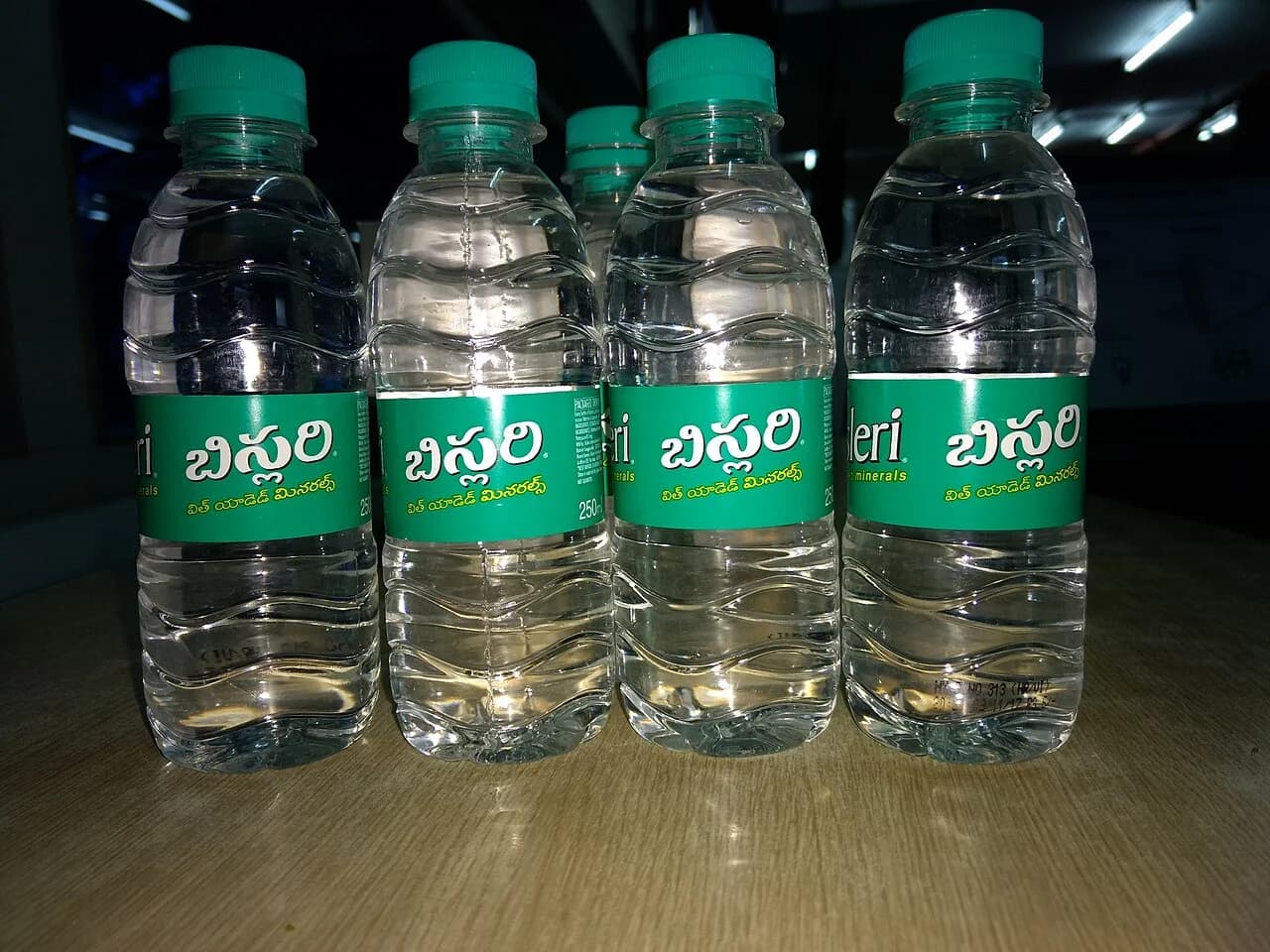
India's food regulator, the Food Safety and Standards Authority of India (FSSAI), has sanctioned the prosecution of Bisleri International Pvt Ltd after a packaged drinking water sample from the company's plant in Telipara village, Jalpaiguri district, West Bengal, was found to contain coliform bacteria, according to information attributed to FSSAI sources and reported by news agency ANI on 27 November 2026. It is the second prosecution sanction against the bottled water maker reported in less than a week.
What did the tests find?
Coliform bacteria were found in the sample, and both the primary laboratory and a referral laboratory confirmed the result, according to the FSSAI-sourced details carried by ANI and reported by Oneindia. The sample was collected in July 2026 from the Jalpaiguri facility. AirNews reported that the laboratories classified the water as unsafe under the Food Safety and Standards Act, 2006.
The finding relates to a single production batch, numbered PB 201, which was manufactured on 20 July 2026 and carries a use-by date of 19 January 2027, Oneindia reported. Sale of that batch was prohibited on 12 August 2026. The reports say the action applies only to batch PB 201 and do not suggest that other Bisleri products are affected.
Some reports on 27 November also mentioned excess bromate and polynuclear aromatic hydrocarbons (PAHs). Those findings were first reported in the company's separate Goa case. MapMyTimes could not confirm from the material available whether they also apply to the Jalpaiguri batch.
Is Bisleri water unsafe to drink?
Based on what has been reported, the enforcement action covers only one batch from one plant, and that batch has been barred from sale since August. Bisleri has said its products are safe. In a statement on 23 November about the Goa case, the company said its water is safe to drink, that it runs more than 90 tests across a 10-step manufacturing process, and that it would work with FSSAI to resolve the matter, Equitypandit reported. MapMyTimes did not find a public Bisleri response specific to the Jalpaiguri sample at the time of writing.
A sanction for prosecution is not a finding of guilt. It allows food safety authorities to take the case to court, where the company can contest the evidence. AirNews reported that the state food safety commissioner now holds the sanction order needed to file a charge sheet before the competent court.
How does this connect to the Goa case?
Earlier, FSSAI sanctioned the prosecution of Bisleri on 22 November over a packaged drinking water sample from its Goa plant, Equitypandit reported. According to the company's account in that report, FSSAI collected six samples at the plant on 30 September 2025. Five passed, and one showed bromate at 12 micrograms per litre against a limit of 10. After Bisleri appealed, a referral laboratory declared the sample unsafe after detecting PAHs. Bisleri disputes the findings and says a separate test at an FSSAI-approved laboratory found bromate within the limit.
Why it matters for consumers
Packaged water is now regulated directly through FSSAI's own testing rules. In an order dated 17 December 2025, FSSAI noted that mandatory Bureau of Indian Standards certification for packaged drinking water and mineral water had been removed, and directed all manufacturers to follow a new testing scheme from 1 January 2026. The scheme says that if a microbiological requirement is not met, stock must be rechecked and released only after it complies. The manufacturer must also investigate the contamination and resume dispatch only after satisfactory microbiological results for five consecutive batches.
BIS has also taken separate action this month over packaged water sold with an ISI mark, including a seizure of stock near Chennai on 26 November.
What happens next?
According to the FSSAI-sourced information reported by ANI, packaged water samples of all brands are being checked across the country. The next steps in the Bisleri cases are court filings by the state food safety authorities and any challenge from the company. Neither had been publicly reported at the time of writing.
Photo source · Veeven, CC BY-SA 4.0