This is a MapMyTimes opinion piece. It responds to the Madhya Pradesh High Court's judgment of 17 November 2026 in Jabalpur, in which Justice Vivek Kumar Singh found that the state government's reply in a police officer's dismissal case relied on a Supreme Court ruling that does not exist. MapMyTimes reported the ruling here.
What did the court find?
The state's reply cited "State of Andhra Pradesh vs S.S. Mohammad Nisar", reported as (2008) 5 SCC 230, to argue that a High Court cannot re-examine evidence under Article 226. According to the judgment, no such case exists; the citation actually belongs to the Manu Sharma case, a criminal appeal about suspension of sentence that has nothing to do with service law. The court said it was apparent that the state had "blindly resorted to the use of Artificial Intelligence tools to draft their pleadings", called the drafting "callous and irresponsible", and said the casual insertion of fictitious case law wastes judicial time and borders on misleading the court. It sent its order to the state's Law Secretary and the Advocate General and said that office must make sure every citation is verified before it goes on record.
The fake citation was not why the state lost. The court set aside the sub-inspector's dismissal because it was ordered without an inquiry and without recorded reasons, and it left the state free to hold a regular departmental inquiry. But the episode deserves attention on its own.
Why this matters beyond one case
When a private litigant files a careless brief, the damage usually stays with that litigant. When a state files one, the cost is shared. Government departments are among the largest litigants in Indian courts, and judges are entitled to assume that a sworn reply from the state has been checked by someone accountable. A fabricated precedent in a government affidavit asks the court to do the state's homework, and it weakens the credibility of every other filing that office makes.
This is also not the first warning. On 27 February 2026, a Supreme Court bench of Justices P.S. Narasimha and Alok Aradhe, hearing a matter from Andhra Pradesh, said that a judicial decision based on non-existent AI-generated judgments is not a mere error but would be "misconduct" with legal consequences. That observation was about judges, but the principle applies equally to the lawyers and officials who place material before them.
The case for AI tools in government legal offices
There is a fair argument on the other side. State law offices handle heavy caseloads with limited staff, and AI tools can help with first drafts, summaries and research leads. A blanket ban would push their use underground rather than end it, and it would deny overworked panel lawyers a genuine aid. The High Court itself did not condemn the technology; its criticism was aimed at using it "blindly". The problem, on this view, is not the tool but the missing human check.
That argument is largely right, and it points to the solution. Nobody needs to choose between using AI and filing accurate pleadings.
What the state should do now
MapMyTimes believes the Madhya Pradesh Law Department should treat the order as a prompt to put a simple process in writing. Every judgment cited in a state filing should be checked against an official law report or court database by a named officer before the affidavit is sworn. Offices that use AI tools should say so internally, so supervisors know which drafts need closer review. The department could also share a short note on what went wrong in this case with its panel lawyers, without singling anyone out, so the lesson travels beyond one courtroom.
Courts are already signalling that patience is limited. The state has a chance to show that it takes the warning seriously before a court decides that a caution is no longer enough.
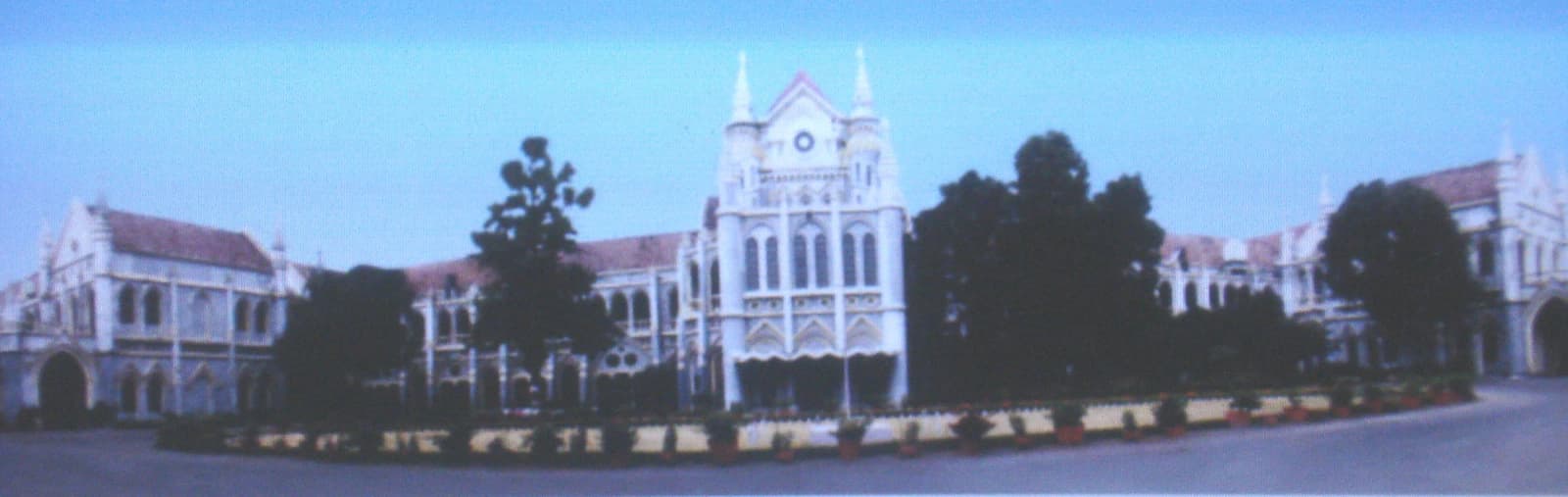
Photo source · Gyanendra_Singh_Chau… (Panoramio), CC BY 3.0