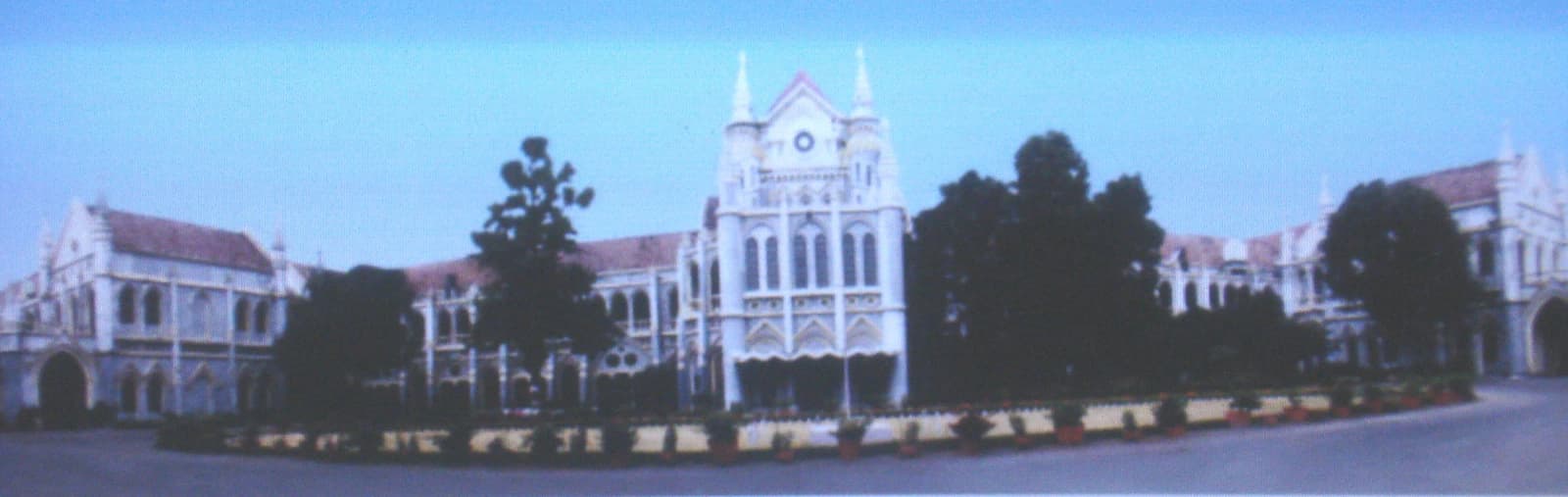
The Madhya Pradesh High Court in Jabalpur has censured the state government for relying on a Supreme Court judgment that does not exist, saying the state appeared to have "blindly resorted" to artificial intelligence (AI) tools to draft its reply. Justice Vivek Kumar Singh made the remarks in an order dated 17 November 2026, in which he also set aside the 2024 dismissal of a police officer who had been removed without any departmental inquiry. Legal news websites reported the order on 19 November 2026.
What did the High Court find wrong with the state's reply?
The court found that the state had cited a ruling that was never delivered. According to Bar & Bench's report of the judgment, the state's reply relied on "State of Andhra Pradesh vs. S.S. Mohammad Nisar", citing it as (2008) 5 SCC 230, to argue that a High Court cannot re-appreciate evidence in a writ petition under Article 226 of the Constitution.
When the court checked the law reports, no such judgment turned up. The citation actually belongs to Sidhartha Vashisht alias Manu Sharma vs. State (NCT of Delhi), a case about suspension of sentence during a criminal appeal, which has nothing to do with the point the state was making. The court said it was apparent that AI tools had produced a made-up case name attached to an unrelated citation.
What did the judge say?
Justice Singh described the practice as "reckless" and said casually inserting fictitious case law wastes judicial time and "borders on actively misleading the Court", LiveLaw reported. He criticised the "callous and irresponsible manner" in which the reply had been drafted and noted that pleadings filed before a constitutional court are solemn documents.
The court cautioned the state and its machinery against such practices. It sent a copy of the judgment to the State Law Secretary and the Advocate General, observing that the Advocate General's office is expected to ensure that legal propositions and citations are verified before they are sworn on affidavit. Reports of the order do not mention any costs imposed on the state.
Whose case was it?
The petition, Piyush Mani Tiwari vs. State of Madhya Pradesh, was filed by an Acting Sub-Inspector posted at the State Situation Room of the Special Branch at Police Headquarters in Bhopal. He was dismissed in 2024 after a cleaner alleged inappropriate behaviour towards her. He argued that he was thrown out without even a preliminary inquiry.
The state defended the summary dismissal under Article 311 of the Constitution, which allows the government to skip an inquiry in limited situations. It argued that an inquiry could distress the complainant, that quick action was needed to protect public trust and discipline, and that witnesses were likely to be intimidated.
The court rejected these grounds. It found nothing on record to show that the officer had threatened or intimidated the complainant or any witness, or that violence or insubordination would have stopped witnesses from deposing. It held that the constitutional threshold for dispensing with an inquiry had not been met, set aside the dismissal and ordered his reinstatement. The state remains free to hold a regular departmental inquiry into the allegation.
Why does this matter?
Courts rely on government counsel to state the law correctly. A fabricated precedent in an official affidavit can mislead a court and delay justice for the person on the other side. The order puts the onus on the Advocate General's office to check citations before they reach the court, rather than leaving judges to catch errors.
The case also shows the limits of summary dismissal: the court said the state must point to actual material, not general apprehensions, before denying an employee an inquiry.
What happens next?
The officer is to be reinstated under the order, and the state may now begin a regular departmental inquiry if it chooses. The state government has not publicly responded to the court's remarks on the AI-drafted reply so far.
Photo source · Gyanendra_Singh_Chau…, CC BY 3.0