This is a MapMyTimes opinion piece, written as the publication's editorial view. It responds to the suspected spurious liquor deaths in Manipur's Chandel district, which MapMyTimes reported on 21 November 2026: at least 16 people dead and hundreds taken to hospital since 18 November 2026, six people arrested and a high-level inquiry ordered by the state government.
What is known so far?
Not as much as there should be, and the gaps are part of the problem. A TechTimes report published on 21 November said the Chandel District Health office put the toll at at least 16, with about 600 people hospitalised in the district since 18 November. Oneindia reported the same day that 16 people had died and more than 370 needed hospital treatment, with nine deaths in and around Chakpikarong in Chandel and seven in the Sugnu area of neighbouring Kakching district. Chandel Superintendent of Police Dharmendra Kumar said the liquor was reportedly bought in Sugnu, according to Oneindia.
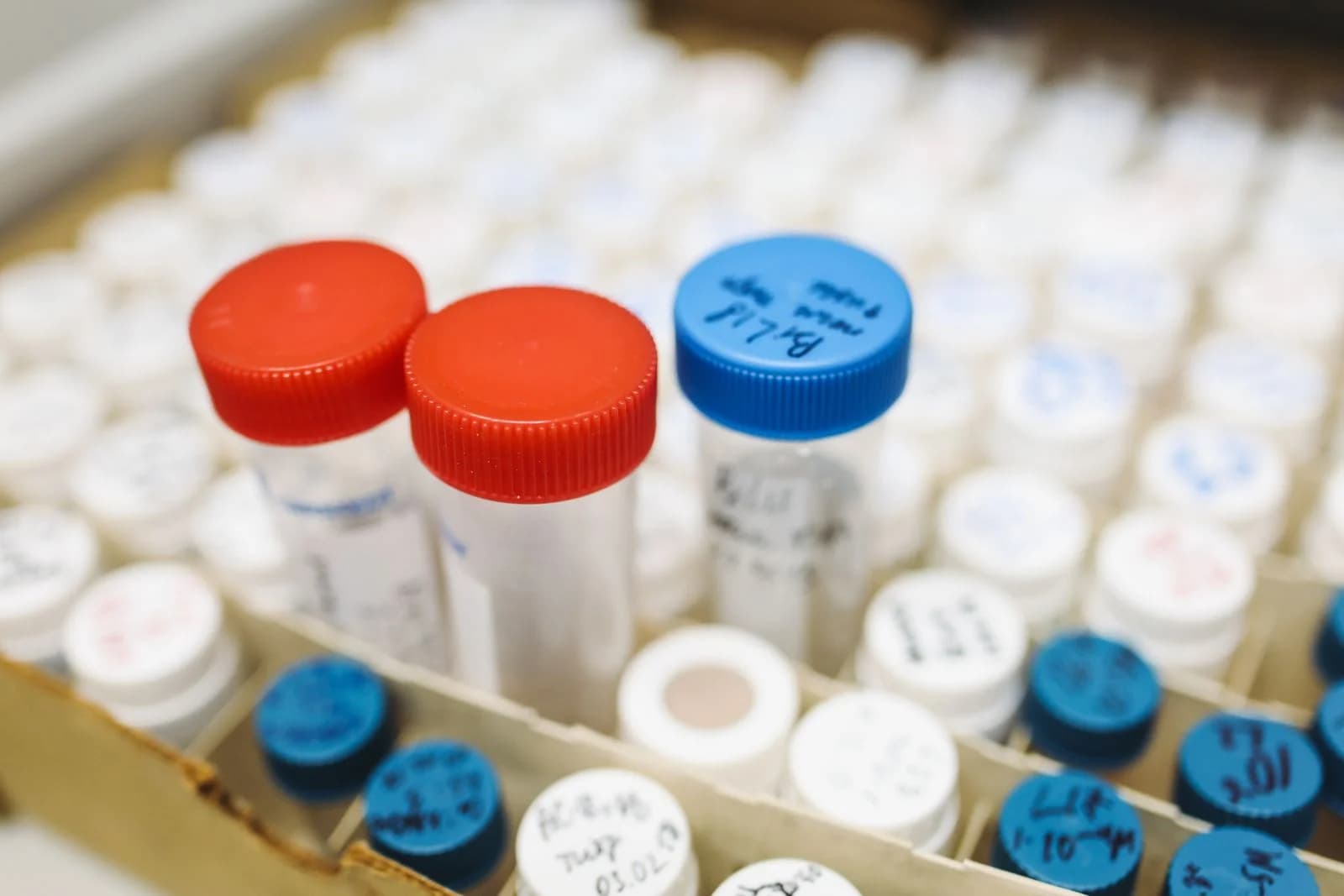
Doctors suspect methanol poisoning, but, as of Saturday, no laboratory result confirming it had been reported, according to TechTimes; samples are with the Forensic Science Laboratory. The same report said Kakching Superintendent of Police Priyadarshini Laishram told PTI that six people had been arrested, more than 48 cases registered and 2,419 litres of liquor seized. The state has formed an inquiry committee of senior officials with one month to report. Chief Minister Yumnam Khemchand Singh, who visited patients at Shija and Babina hospitals, has promised that those responsible will be punished.
Why this needs more than another inquiry
Hooch tragedies in India follow a script: deaths, arrests of small sellers, seizures, a committee, and then quiet until the next one. Manipur has the chance to break that pattern, and it should start with three things.
First, speed and openness on testing. Families, hospitals and the public need to know what was in the liquor. A forensic result that sits in a file for weeks helps nobody. The state should publish the laboratory findings as soon as they exist, in plain language, and say which batches or sources were affected. Neighbouring Nagaland showed both the value and the limits of this in September, when, as TechTimes noted, a laboratory found methanol in liquor linked to the Tuensang deaths but could not measure how much.
Second, a clear, public account of the supply chain. Police say the liquor came from Sugnu. The inquiry should trace it beyond the last seller: where it was made or mixed, how it moved across a district boundary, and whether anyone responsible for enforcement looked away. Arresting retailers alone rarely stops the trade.
Third, the inquiry report itself should be made public within its one-month deadline, with a list of recommendations and a date by which each will be acted on.
The prohibition question
The harder debate is about the law. According to TechTimes, the Manipur Liquor Prohibition Act, 1991 bans manufacture, sale and consumption, but a gazette notification dated 6 December 2023 partially lifted it for Greater Imphal areas, district headquarters, tourist spots and hotels with at least 20 rooms. The result is a patchwork, where legal and illegal liquor sit close to each other and quality checks are hard to enforce.
There is a serious argument on the other side, and it deserves a fair hearing. Supporters of prohibition argue that alcohol harms families and public order, and they may see this tragedy as proof that any loosening of the ban invites trouble. Opposition Congress leader Keisham Meghachandra Singh has blamed negligence by the Excise Department and questioned the licensing model, according to TechTimes. Those concerns are legitimate.
Our view is that the lesson is not simply "more ban" or "less ban". Wherever liquor is legally sold, it must be tested and traceable; wherever it is banned, enforcement must reach the source and not just the street seller. A half-open system without strong quality control can leave people exposed to the worst of both.
What should happen next
The government has acted quickly on arrests, seizures and an inquiry, and the hospitals have handled a very large number of patients. The next step is accountability that the public can see: published test results, a traceable account of the supply, a public inquiry report, and a review of how the partial lifting of prohibition is regulated. The Anal Naga Union has asked for ex-gratia support for victims' families and better healthcare in Chandel, TechTimes reported; both requests deserve a prompt answer. Sixteen deaths should produce a system, not just a file.