India has tapped only about a quarter of its small hydropower potential, the Union government said on 22 November 2026. According to a backgrounder released through the Press Information Bureau (PIB), 7,133 identified sites across the country could together generate 21,134 megawatts (MW), but only about 5,182 MW, or around 25%, had been harnessed as of 30 September 2026.
The document sets out how the Centre plans to close part of that gap through the recently approved Small Hydro Power (SHP) Development Scheme, which has an outlay of Rs 2,584.60 crore for the financial years 2026–27 to 2030–31 and aims to add about 1,500 MW.
What counts as small hydropower in India?
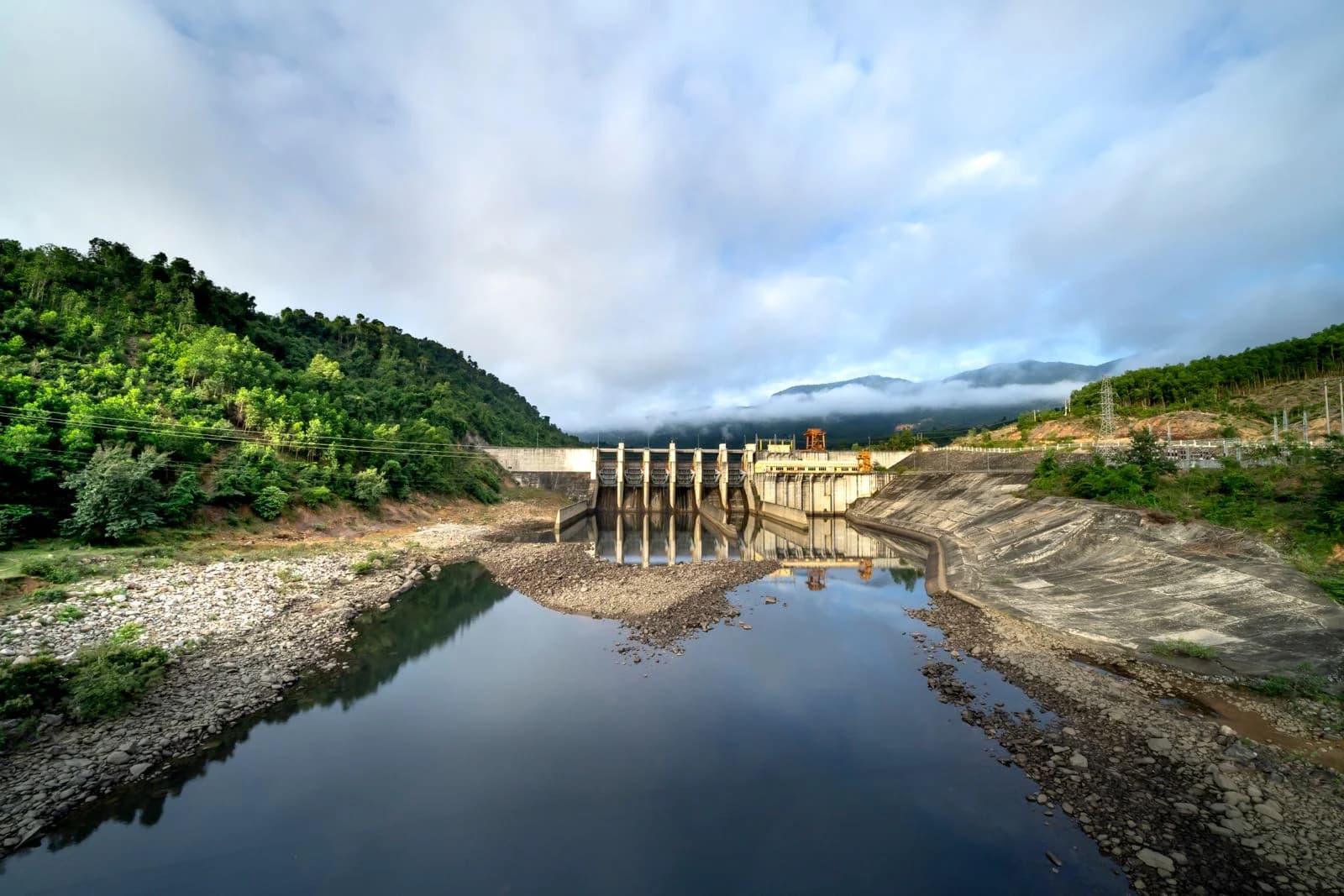
In India, a hydropower project with installed capacity of up to 25 MW is classed as small hydro and falls under the Ministry of New and Renewable Energy (MNRE), the nodal ministry for the sector. Projects above 25 MW are handled by the Ministry of Power. Such plants use the flow of rivers and canals and, the government says, suit hilly and remote areas where terrain makes larger projects and grid connections difficult.
How much support does the new scheme offer?
Projects in the North Eastern states and in districts along international borders can receive Rs 3.6 crore per MW or 30% of project cost, whichever is lower, up to Rs 30 crore per project. In other locations, support is Rs 2.4 crore, Rs 1.78 crore or Rs 2.054 crore per MW, depending on project size and location, or 20% of project cost, whichever is lower, capped at Rs 20 crore per project.
A separate Rs 30 crore has been set aside to help central and state agencies prepare detailed project reports (DPRs) for at least 200 projects, so that a pipeline of future plants is ready. The government expects the scheme to draw about Rs 15,000 crore of investment, create roughly 51 lakh person-days of work during construction, and encourage the use of Indian-made plant and machinery.
Where is the untapped potential?
The northern region accounts for the largest share, with 8,030 MW of potential, much of it in mountainous terrain. The southern region has 5,490 MW, the North-Eastern region 2,995 MW, the western region 2,912 MW and the eastern region 1,707 MW. That leaves about 15,952 MW still to be developed nationally.
The backgrounder says the northern and north-eastern regions have large untapped resources, while the southern and western regions may be able to move faster because their infrastructure is stronger.
Why it matters
The government argues that small hydro plants sit close to where power is used, which cuts transmission losses and helps keep supply steady in border and hill areas. It also says they need little land, displace few people, run for many years without fuel or emissions, and create local jobs during construction and operation.
The document does not give a year-by-year target for the 1,500 MW addition or say how many projects have already applied under the scheme. Progress will show up in MNRE's capacity figures over the five-year scheme period.