The National Institute of Social Defence (NISD), which works under the Union Ministry of Social Justice and Empowerment, exchanged memoranda of understanding (MoUs) with 23 universities, training institutes and organisations at its campus in New Delhi on 22 November 2026. Union Minister of Social Justice and Empowerment Dr Virendra Kumar said such partnerships could help expand training, rehabilitation, livelihood support and social inclusion for people affected by substance use, transgender persons, senior citizens and people vulnerable to beggary.
According to the ministry's release issued through the Press Information Bureau, 15 of the institutions took part in person and eight joined online. The new agreements take NISD's institutional partnerships to 30, adding to seven MoUs signed earlier.
Which institutions signed the agreements?
The partners include state rural development institutes and a mix of central, state and private universities. Among them are the State Institutes of Rural Development in Ranchi (Jharkhand), Meghalaya and Manipur; the Telangana Institute of Rural Development; the Central Universities of Andhra Pradesh and Karnataka; Babasaheb Bhimrao Ambedkar University, Lucknow; and National Law University, Jodhpur.
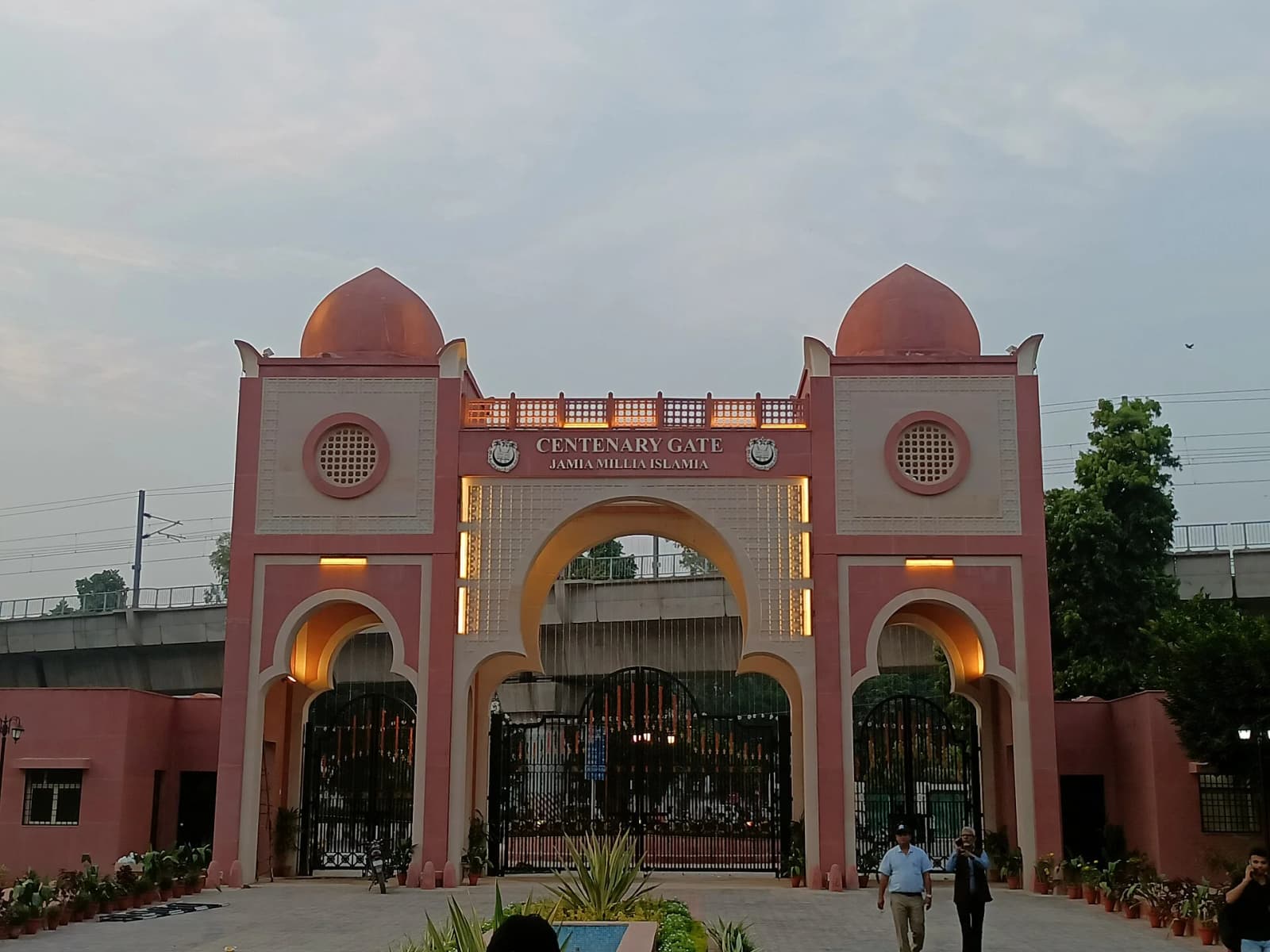
Others named in the release are Shri Vishwakarma Skill University in Haryana, Dr. Manmohan Singh Bengaluru City University, CHRIST University in Bengaluru, Yenepoya (Deemed to be University) in Karnataka, Jamia Millia Islamia in New Delhi, Aligarh Muslim University, the Indian Adult Education Association, the Andhra Pradesh State Institute of Panchayat Raj and Rural Development, AIIMS Jodhpur, and the Administrative Training Centre of the Indian Institute of Public Administration in Puducherry. The list also includes the Kerala Institute of Local Administration, Maharashtra National Law University campuses in Chhatrapati Sambhajinagar and Nagpur, Chanakya National Law University in Patna, and Mahatma Gandhi Central University in Bihar.
What will the partnerships cover?
The MoUs cover prevention education, research, training and capacity building, curriculum development, and outreach and advocacy in social defence. That field, as the ministry defines it, includes drug abuse prevention, the welfare of senior citizens, transgender welfare and the prevention of beggary. The ministry said the wider network is meant to create a lasting framework for training, awareness work, research and evidence-based interventions across states.
What did the minister and officials say?
Dr Kumar called the initiative significant and said regular dialogue, joint reviews and the sharing of good practices among the partner institutions would help carry effective programmes to more states and regions. He said repeated awareness activities, such as anti-drug pledges in schools and colleges, could build a wider chain of collective action towards a drug-free India. He also asked NISD and its partners to consider regular coordination, monitoring and short training courses on campuses to strengthen drug abuse prevention.
Sudhansh Pant, Secretary of the Ministry of Social Justice and Empowerment, said educational institutions have an important role in keeping young people away from drugs. He asked them to hold anti-drug awareness activities regularly so that students take the message home to families, friends and communities. At the event, the minister administered a senior citizen pledge and an anti-drug pledge to those present.
Joint Secretary Dr Sandeep Rewaji Rathod and NISD Director Gaurav Singh Rajawat were among the officials at the ceremony.
Why it matters
Tying NISD to universities, law schools, a medical institute and state rural development and local administration institutes gives the ministry a larger set of campuses through which to run training and awareness programmes. The release did not give a timeline, budget or specific targets for activities under the new MoUs, so the effect will depend on what the partner institutions actually take up in the coming months.
Photo source · TheAutumnal, CC BY-SA 4.0