This is a MapMyTimes opinion piece. It responds to two highway crashes reported within hours of each other: the collision on the Kota-Udaipur National Highway in Kota, Rajasthan, at about 1 am on 22 November 2026, in which nine members of a family returning from Khatu Shyamji were killed, and the head-on collision on the Bhuj-Khavda highway in Kutch, Gujarat, at about 9.30 pm on 21 November 2026, in which seven members of Army-linked families from Uttarakhand died.
What do the two crashes have in common?
Both happened on long, fast highway stretches after dark, and both involved a family car meeting a heavy vehicle. In Kota, the multi-utility vehicle carrying 16 relatives from Dhule district in Maharashtra hit a truck parked along the roadside, according to police. Superintendent of Police Tejeshwani Gautam confirmed nine deaths, including women and children, and eight injuries. A preliminary probe suggests the driver of the family vehicle may have dozed off; the truck driver told reporters he had pulled over to check a fault, while a relative claimed the truck had no parking lights. Police have registered a case against the truck driver, and the investigation is continuing.
In Kutch, a car travelling from Khavda towards Bhuj collided with an oncoming trailer near Vekariya, killing all seven occupants, among them a three-month-old baby and a seven-year-old child. Police have registered a case; an official finding on the cause has not yet been made public.
Are these just isolated tragedies?
No, the national data say these crashes fit a pattern that has been visible for years. The Ministry of Road Transport and Highways (MoRTH) report Road Accidents in India 2024 counts 4,87,707 crashes and 1,77,175 deaths in 2024, with deaths up 2.5% on 2023. National Highways make up only about 2.1% of the road network but accounted for 36.6% of deaths, or 64,772 lives.
The type of collision matters too. Being hit from behind was the single largest category, causing 37,404 deaths (21.1%), while head-on collisions killed 28,400 people (16.0%). Collisions with parked vehicles killed 4,486, a figure that actually fell 20.4% from the year before. Over-speeding was linked to 70.28% of all road deaths. Rajasthan recorded 11,790 road deaths in 2024 and Gujarat 7,717.
What is the strongest case against more rules?
The fairest counter-argument is that India already has tough laws. The Motor Vehicles (Amendment) Act, 2019, in force since 1 September 2019, sharply raised penalties, and the ministry's own report shows deaths from collisions with parked vehicles falling. Critics of new regulation also argue that no rulebook can stop a tired driver from nodding off at 1 am, and that responsibility lies with individuals who choose to drive through the night. That view deserves respect: personal choices do shape outcomes, and new rules that are not enforced only add paperwork.
But the argument stops short. A family returning from a long pilgrimage, or soldiers' relatives heading home on a remote desert road, should not have to depend on luck. Road design, lighting, vehicle visibility and enforcement are meant precisely to absorb ordinary human error, because human error will happen.
What should change?
Three practical steps follow from the evidence. First, treat fatigue as a highway hazard, not a private failing: well-lit rest stops with tea stalls and parking at regular intervals on long National and State Highway stretches would give drivers a real alternative to pushing on. Second, make stationary heavy vehicles visible: working parking lights, reflective tape and safe lay-bys for breakdowns are cheap compared with the cost of a rear-end crash, and routine night checks by highway patrols could enforce them. Third, buckle up everyone: the 2024 report records 14,466 deaths of people not wearing seatbelts, nearly half of them (6,977) passengers.
The government has taken useful steps. The report notes that the Cashless Treatment of Road Accident Victims Scheme, 2025, was notified on 5 May 2025, and that the reward for "Rah-Veer" Good Samaritans who help victims was raised to Rs 25,000. Faster care saves lives after a crash; the task now is to prevent more of them. Each investigation in Kota and Kutch should be published, and its lessons applied to the stretch where it happened.
What happens next?
Police in both states are investigating. Prime Minister Narendra Modi has announced ex-gratia of Rs 2 lakh from the Prime Minister's National Relief Fund (PMNRF) for the next of kin of each person killed in Kota and Rs 50,000 for each injured person. Compensation is necessary, but the better memorial would be safer roads for the next family on the same journey.
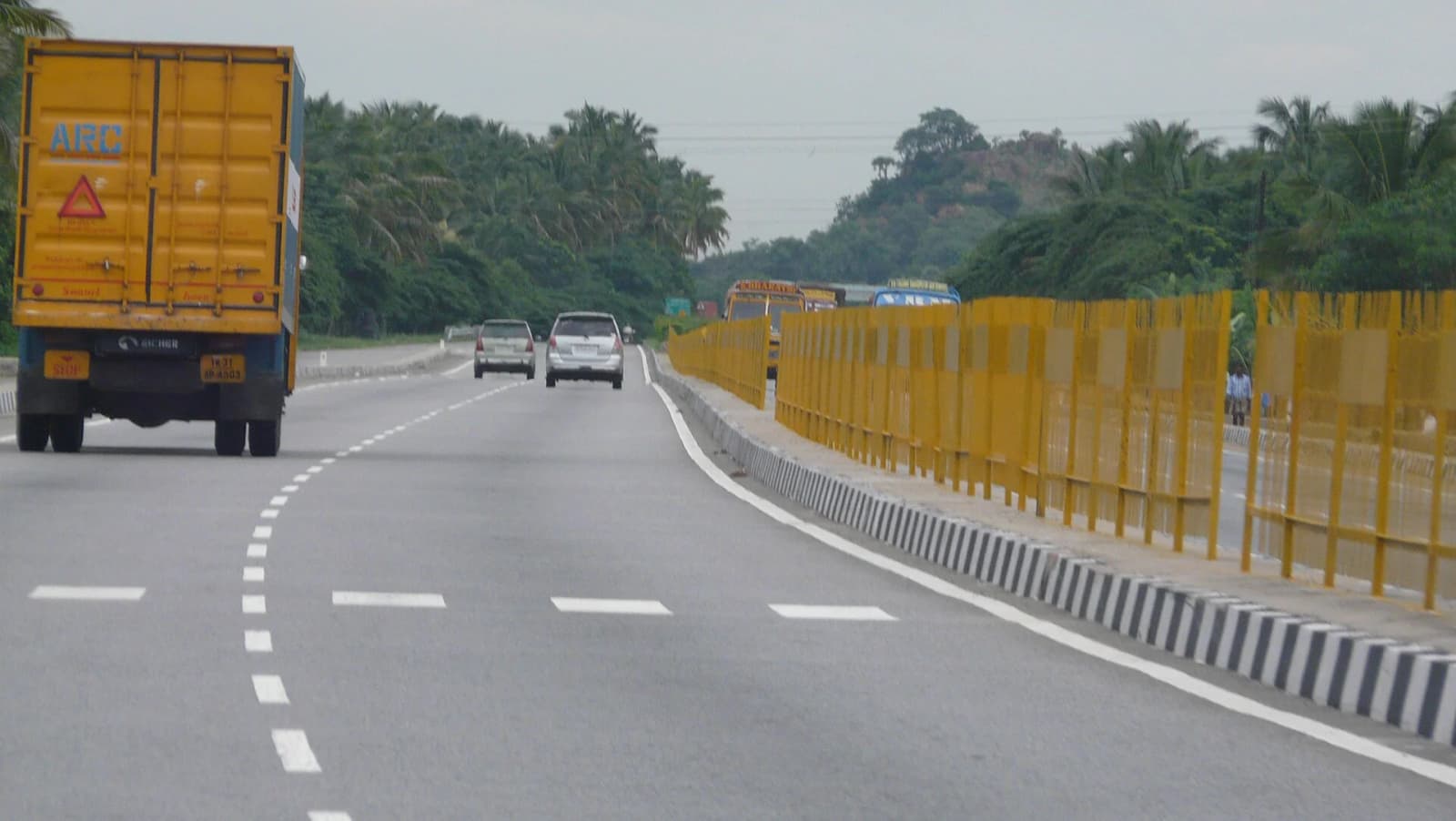
Photo source · Ashwin Kumar, CC BY-SA 2.0