This is a MapMyTimes opinion piece. It responds to the news, reported by MapMyTimes on 20 November 2026, that India's wheat area is heading for its steepest fall in 26 years as a dry monsoon pushes farmers towards other winter crops.
The numbers are striking. According to a Reuters report published on 20 November, ten industry officials expect wheat planting for 2026/27 to fall about 6% from last season's record 33.6 million hectares to around 31.58 million hectares, the steepest decline since 2000/01 and the lowest area in four years. Government data cited in the same report show wheat on 5 million hectares by 13 November, 15.3% less than a year earlier. Monsoon rainfall was the lowest in more than a decade, and as much as 41% below average in Punjab, Rajasthan, Madhya Pradesh and Maharashtra.
The reflex will be to treat this as a wheat emergency. It is better read as farmers doing, under pressure, what national policy has been asking them to do for years. The response should help them finish the switch well, not pull them back.
Is a smaller wheat area really a problem?
It is a risk, not yet a crisis. The strongest case for alarm deserves to be stated plainly: wheat is a staple, the Reuters report says a severe El Niño could also cut yields, and a smaller crop in the world's second-largest wheat producer could lift prices and complicate efforts to control food inflation. Anyone who remembers past grain scares will want the government to act early, and that instinct is sound.
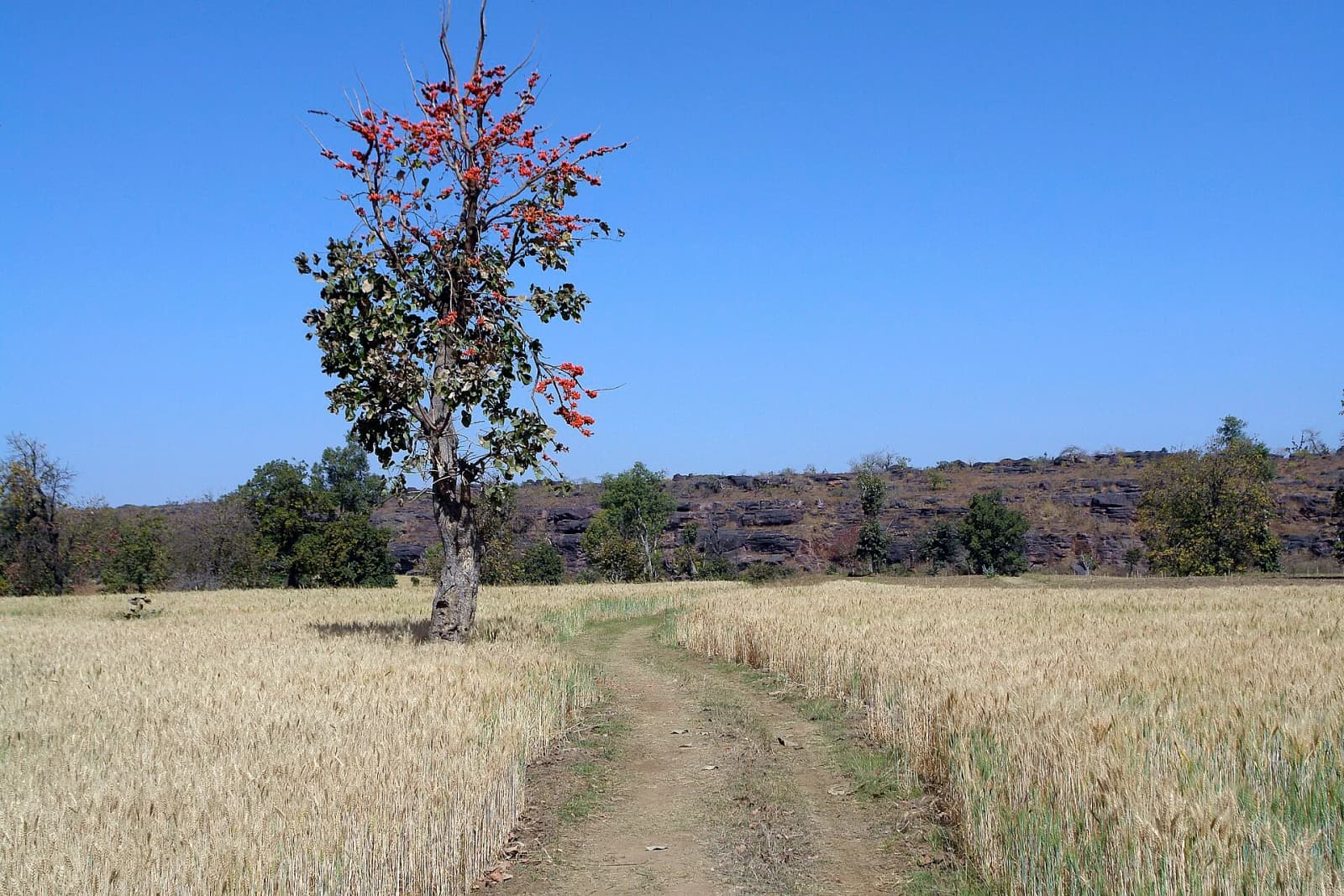
But the shape of the decline matters. Industry officials told Reuters that wheat area is expected to stay largely steady in Punjab and Haryana, where irrigation is reliable. The fall is concentrated in places where water is short. A farmer in Maharashtra's Jalna district told Reuters he chose chickpeas because wheat needs four to five irrigations and he did not have water even to sow. Planting a thirsty crop on dry land is not a gain for food security; it is a gamble on a poor harvest.
Why are farmers moving away from wheat?
Farmers are moving because water is scarce and because the prices point elsewhere. The Cabinet Committee on Economic Affairs raised the wheat minimum support price (MSP) for the 2027-28 marketing season by just ₹25 to ₹2,610 a quintal, according to DD News's report of the 30 September decision, while rapeseed and mustard got ₹413 more, to ₹6,613. The government said explicitly that the higher MSPs were meant to encourage crop diversification, especially towards pulses and oilseeds. Reuters noted that the wheat increase was the smallest since 2002/03, and a flour-mill director told the agency that competing crops were simply giving better returns this year.
In other words, the signal was sent and received. It would be a mistake to answer the result with a sudden late bonus for wheat, which would tell farmers that diversification lasts only until the first dry year.
What should the government do instead?
Three things would protect both consumers and the farmers who switched.
- Make the new crops pay as promised. An MSP for mustard or gram matters only if farmers can actually sell at that price when harvest comes. Purchase arrangements for pulses and oilseeds in the states where wheat area is falling should be planned now, not in March.
- Publish the picture early and often. The government already publishes sowing progress data. The Agriculture Ministry should add an early, clearly labelled estimate of wheat output under different yield scenarios, so traders and households are not left to rumours.
- Be ready on supply, openly. If yields disappoint, the government will need to decide on stock releases or trade measures. Setting out in advance what would trigger such steps is better than surprising markets after prices have already jumped.
What is the bigger lesson?
A dry year exposes which crops fit which land. The International Grains Council's latest outlook, covered by MapMyTimes, shows how closely global markets now watch India's harvests, which makes calm, data-led management more valuable, not less. If this season ends with more chickpeas and mustard grown where water is short, wheat still strong in irrigated Punjab and Haryana, and no panic in the shops, that will be a policy success worth building on. The task now is to make sure the farmers who took the hint are not the ones who pay for it.
Photo source · Yann, CC BY-SA 4.0