The International Grains Council (IGC), an intergovernmental body based in London, raised its forecast for world grain stocks at the end of the 2026-27 season by 7 million tonnes to 626 million tonnes in its Grain Market Report published on 19 November 2026. This is the third month in a row that the forecast has gone up. In the same report the council trimmed its 2026-27 world rice production forecast by 1 million tonnes, mainly because of a cut for India.
What changed in the November report?
The IGC now puts total grain production (wheat and coarse grains) for 2026-27 at 2,428 million tonnes, 1 million tonnes more than in October. Higher estimates for wheat and barley roughly cancelled out a lower figure for maize. Turkey, Australia and Argentina had the biggest upward revisions, while the estimate for the United States was cut.
The council lowered its world consumption forecast by 2 million tonnes to 2,444 million tonnes, mostly because less maize is expected to be used for animal feed. It attributed the higher stocks forecast to larger supplies carried in from the previous season and to "unusually heavy inventories" in Russia and Ukraine. It put world grain trade for July-June at 449 million tonnes, slightly lower than before.
What does it mean for rice and India?
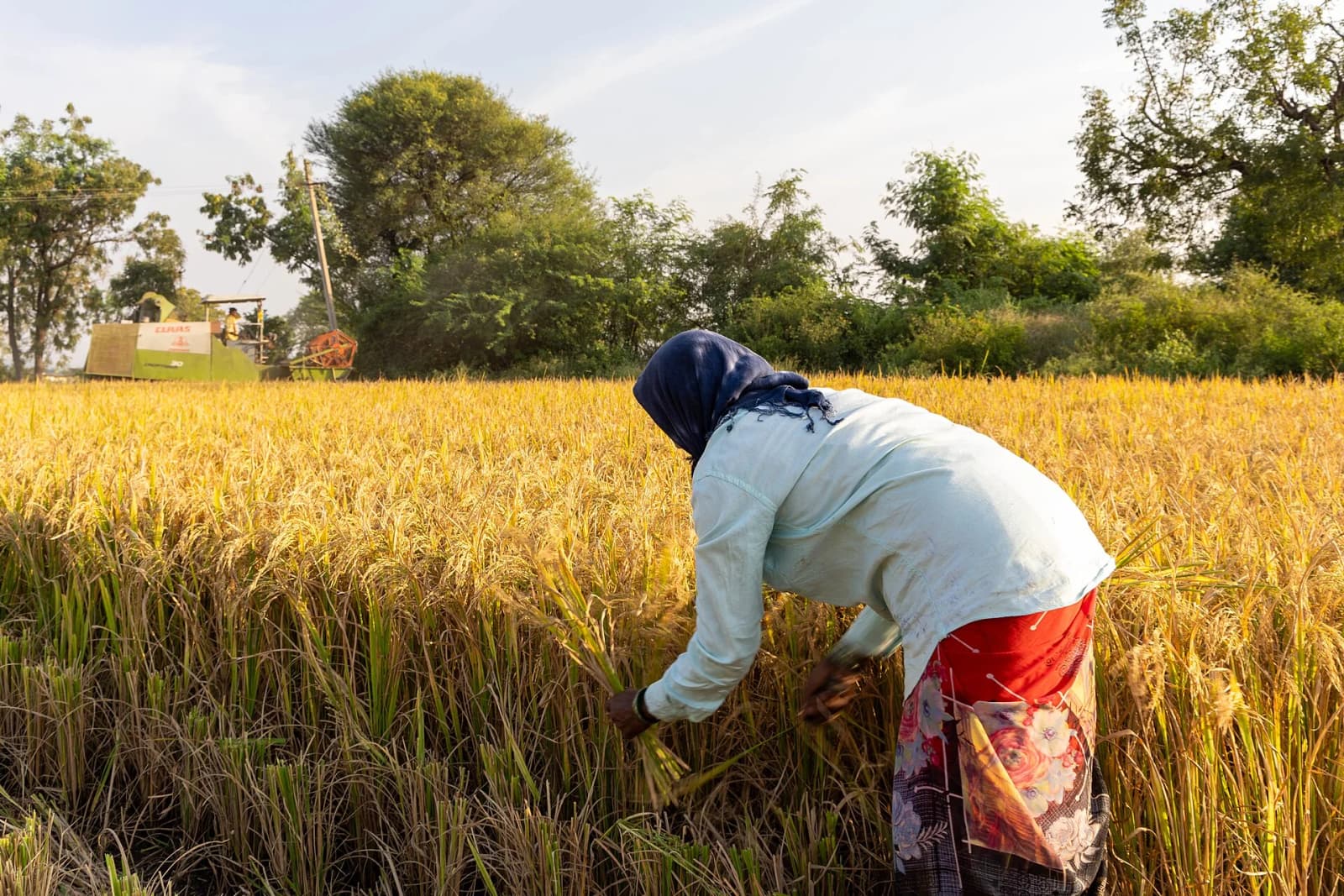
The IGC expects world rice production in 2026-27 to fall for the first time in 11 years, mainly because the big exporting countries are expected to grow less. It cut its 2026-27 production forecast by 1 million tonnes from October and linked the cut to India. Because the season started with larger reserves, it still raised its rice carryover forecast by 1 million tonnes. It expects rice trade to reach a record 61 million tonnes in 2027, up 4%, as demand from buyers in Africa picks up.
Prices are moving in opposite directions. The IGC Grains and Oilseeds Index fell 4% to a three-month low, with the steepest falls in wheat and maize. The trade publication Milling and Grain, reporting on the same release, said the wheat and maize sub-indices each fell 7% while the rice sub-index rose 8% to near a two-year high. MapMyTimes reported on 19 November that Indian rice export prices had hit a 19-month high.
What about soybeans and pulses?
The council expects world soybean production to reach a record 439 million tonnes in 2026-27, up 2%, mainly because of a much bigger US crop. It forecasts soybean imports at a record 191 million tonnes. It expects world output of dry peas, a pulse crop, to fall 9% in 2026-27.
Why does it matter?
Larger wheat and maize stocks and lower prices help importing countries. A smaller rice crop combined with record trade could keep rice markets firm, and that matters for India's export earnings and for import-dependent countries in Africa. The figures are forecasts and the council revises them every month. Earlier this week, the UN Food and Agriculture Organization's Food Outlook also pointed to tighter rice supplies.
What happens next?
The IGC updates these forecasts every month in its Grain Market Report. Its press page lists the November edition as GMR582, and the next edition will show whether the rice cut for India and the higher stocks estimate hold.
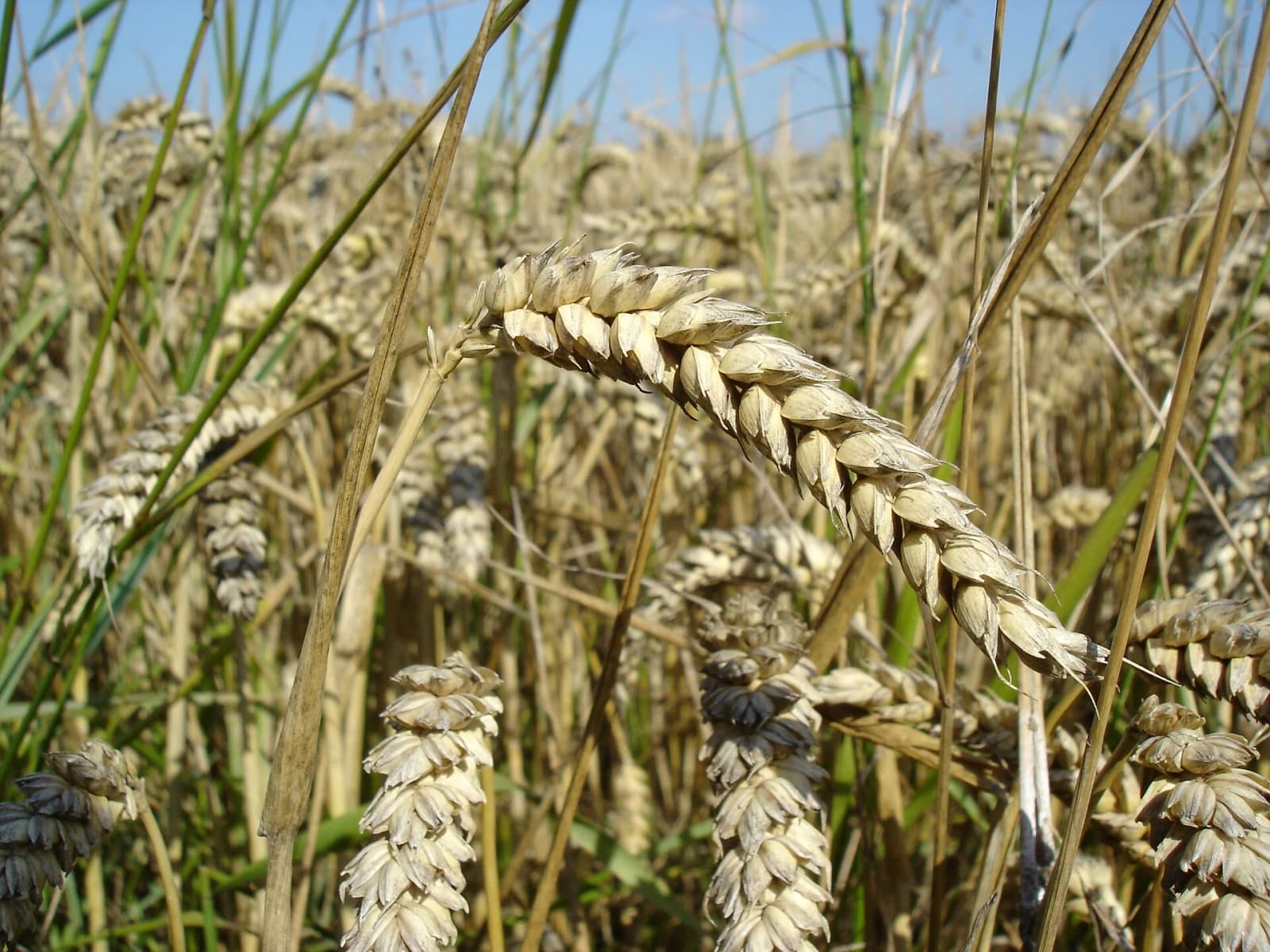
Photo source · Bluemoose, CC BY-SA 3.0