This is a MapMyTimes opinion piece. It responds to the launch on 20 November 2026 of India's first indigenous H5N1 bird flu vaccine for chickens, which Union Agriculture Minister Shivraj Singh Chouhan dedicated to the nation in Bhopal, Madhya Pradesh. MapMyTimes reported the launch here.
The vaccine is a genuine achievement for Indian science and could be a lifeline for poultry farmers. But a vaccine is a tool, not a policy. What India now needs is a public plan for who gets it, when, and how the country will still detect bird flu once flocks are vaccinated.
What did the government announce?
The government announced a low-cost vaccine developed by the ICAR-National Institute of High Security Animal Diseases (NIHSAD) in Bhopal. According to the Ministry of Agriculture and Farmers Welfare release, it is priced at ₹1-2 per dose so that even small poultry farmers can afford it, and the ministry describes it as the world's first vaccine against this particular variant of bird flu. Mr Chouhan also announced a new ₹300-crore animal disease research laboratory for Bhopal.
The scale of the problem explains the excitement. The minister recalled that India's first bird flu outbreak, in 2006 at Navapur in Maharashtra, killed 10 lakh chickens, and lakhs more had to be culled. Around 9 lakh chickens died in 2021 and another 2 lakh this year, and India has seen more than 500 outbreaks since 2006, according to the release. It also notes that the disease poses a risk of transmission to mammals and humans.
Why a rollout plan matters as much as the vaccine
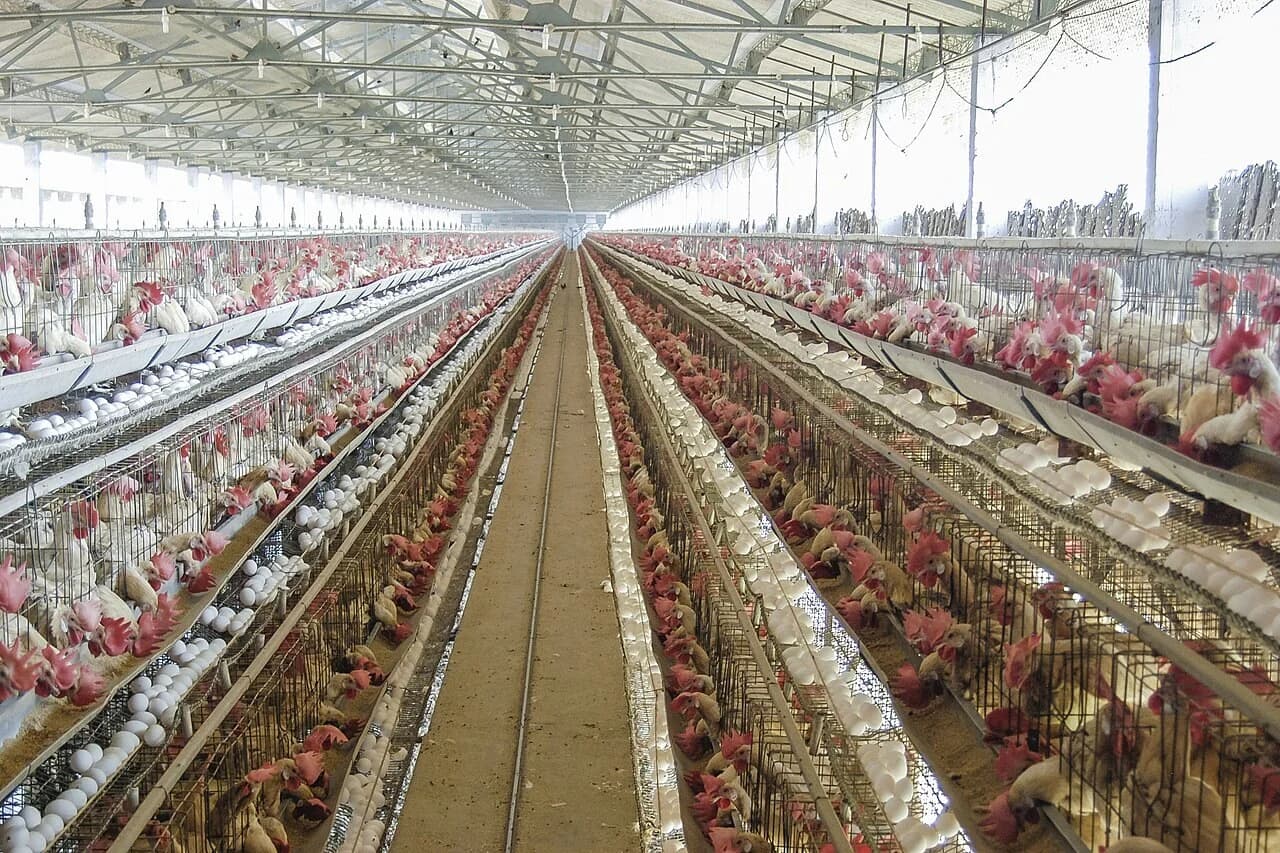
The release gives no timeline for commercial production or supply, and no detail on which farms or regions will be offered the vaccine first. Those are not small gaps. India's poultry sector ranges from large commercial units to backyard flocks kept by poor rural households. A ₹1-2 price helps, but only if the vaccine actually reaches villages, is stored properly and is given by trained hands.
There is also a disease-control question. Today, sudden deaths in a flock are often the first alarm that bird flu has arrived, and they trigger testing and culling. Once birds are vaccinated, illness may become less visible, so that alarm may not sound in the same way. That makes active surveillance, meaning regular sampling and laboratory testing, more important, not less. Any vaccination programme should therefore be paired with a published testing plan, so that farmers, state veterinary departments and public health officials can trust that infection is not spreading quietly.
The strongest case for caution
Some will argue that India should keep relying mainly on its existing approach of detecting outbreaks and culling birds around them, and use vaccination sparingly. That view has merit. Culling is harsh, but it removes the virus quickly. Vaccination done badly can create a false sense of security, and trading partners may ask hard questions about poultry products from vaccinated flocks.
Yet the numbers in the minister's own speech show the cost of the status quo. Repeated outbreaks have wiped out lakhs of birds and hurt farmers who often have no savings to fall back on. MapMyTimes has explained what the vaccine is and what it changes. The choice is not between vaccination and surveillance. It is whether India can do both well at the same time.
What should happen next
This newspaper believes the Department of Animal Husbandry and Dairying and ICAR should publish, within weeks, a written vaccination strategy for poultry. It should say which flocks are eligible and in what order, how doses will reach small farmers, how vaccinated birds will be recorded, and how testing will be stepped up in vaccinated areas. Field performance data should be released as it comes in, so that independent scientists can check how well the vaccine works outside the laboratory. Compensation rules for culling should also be clear and paid promptly, so that farmers have every reason to report sick birds rather than hide them.
The minister rightly praised the NIHSAD scientists who worked for months under strict biosafety rules to build this vaccine. The best way to honour that work is to make sure it reaches farmers in a careful, transparent way, with the country still able to spot bird flu early. A cheap vaccine with a clear plan behind it could change the story of bird flu in India. Without that plan, it risks becoming just another headline.
Photo source · Matthew T Rader, CC BY-SA 4.0