This is a MapMyTimes opinion piece. It responds to the US Federal Aviation Administration's (FAA) five-day review of India's aviation safety oversight, which ran from 16 to 20 November 2026 and which MapMyTimes reported on 20 November 2026. The formal outcome is expected to take months. India should not wait for it to fix what Parliament has already identified.
What is at stake
The review falls under the FAA's International Aviation Safety Assessment programme. According to a 15 November report by the news agency IANS, it examines how effectively the Directorate General of Civil Aviation (DGCA) enforces safety rules and maintains standards set by the International Civil Aviation Organization. The resulting Category 1 rating decides whether Indian carriers can fly to the United States or sign codeshare deals with US airlines. The last such review began in October 2021, and the FAA announced in April 2023 that India had kept Category 1.
The context this time is harder. IANS noted that an Air India Boeing 787-8 bound for London Gatwick crashed shortly after take-off from Ahmedabad in June 2025, killing 260 people. In September 2026, Business Today reported, citing a Hindustan Times report based on unnamed sources, that DGCA audits of IndiGo, Air India, Akasa Air and SpiceJet completed in August had produced "serious findings". The nature of those findings has not been made public.
The problem Parliament already named
The clearest warning did not come from Washington. In its report of 20 August 2025, the Parliamentary Standing Committee on Transport, Tourism and Culture, chaired by Sanjay Kumar Jha, observed that nearly half of the DGCA's sanctioned posts were vacant, according to a summary by PRS Legislative Research. The committee recommended statutory and administrative autonomy for the regulator, a specialised recruitment mechanism, competitive pay, and a whistleblower protection framework.
The government's own figures point the same way. In a written reply to the Rajya Sabha on 21 July 2025, Minister of State for Civil Aviation Murlidhar Mohol said 823 of the DGCA's 1,644 sanctioned posts were vacant, and that 540 of 1,063 technical posts were unfilled as of June 2025, according to a PTI report.
The strongest case against alarm
There is a serious counter-argument, and it deserves a fair hearing. In the same reply, the minister said the shortfall had not affected the DGCA's functioning or its Annual Surveillance Plan, that additional posts had been created to keep pace with growth, and that short-term contractual hiring was under way. He blamed weak responses to advertisements and selected candidates not joining. India's record also improved: DGCA officials said in December 2022 that an International Civil Aviation Organization audit had raised India's effective implementation score to about 85.5%, from about 70% in 2018. And the Category 1 rating was retained in 2023. Some will also argue that publishing unresolved audit findings could alarm passengers before airlines have had a chance to respond.
Those points are real. But a regulator that is half-staffed on paper is asking the public to take a great deal on trust, and contractual hiring is a stopgap, not a structure. A good external score is a floor, not proof that inspectors can keep pace with a growing industry. MapMyTimes has also reported the DGCA's show-cause notice to SpiceJet this week, a reminder of how much day-to-day work already falls on the regulator.
What should happen now
Three steps would help regardless of the FAA's verdict. First, the Ministry of Civil Aviation should publish a dated plan for filling technical posts at the DGCA, with progress reported to Parliament. Second, once airlines have answered the August audit findings, the DGCA should publish a summary of the categories of lapses found and the corrective action taken, without compromising enforcement. Third, the government should respond publicly and in detail to the committee's recommendations on autonomy, recruitment and whistleblower protection.
A Category 1 rating is worth keeping. But passengers flying within India never cross the Atlantic, and their safety depends on the same inspectors. That is the better reason to act.
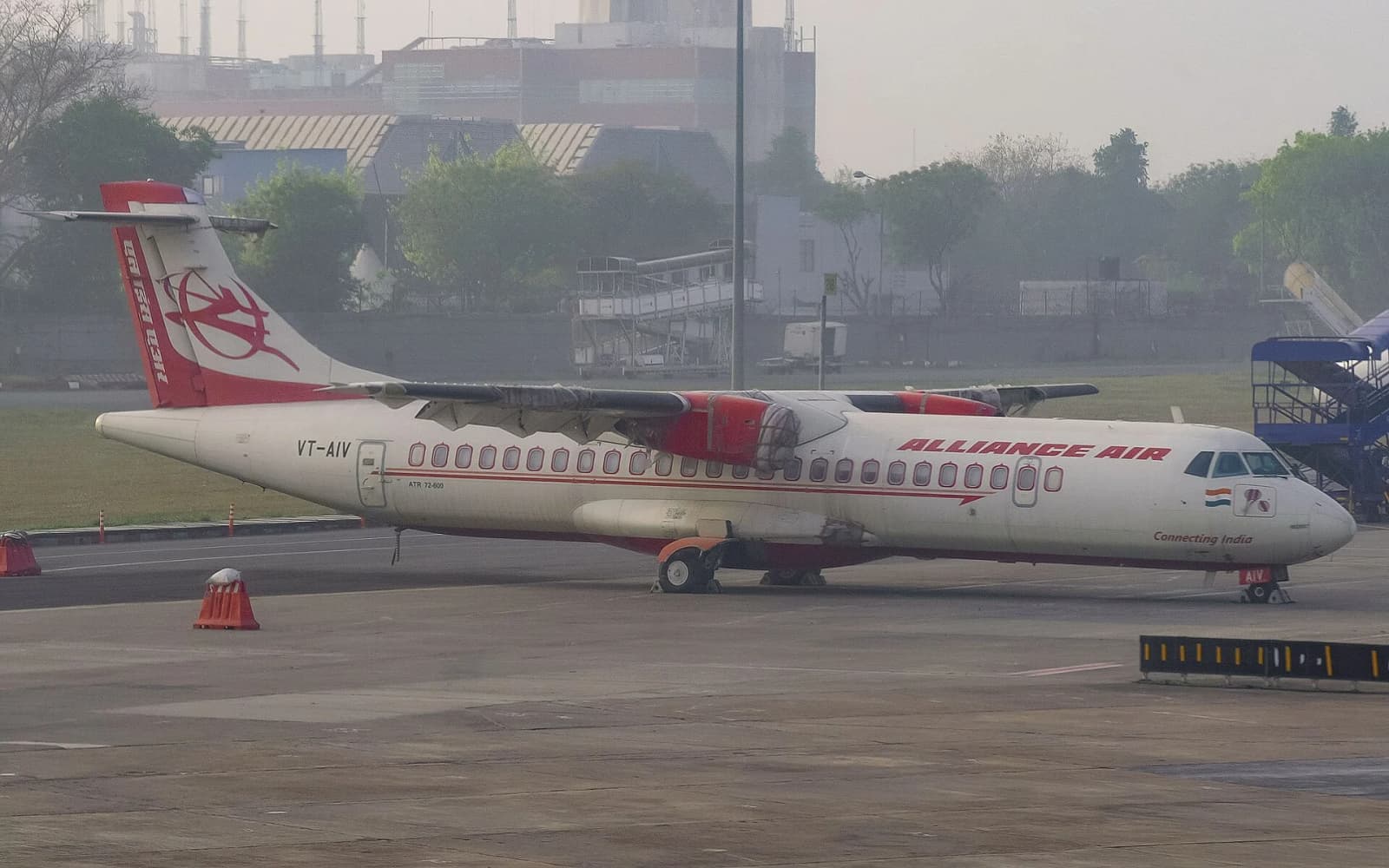
Photo source · Quintin Soloviev, CC BY 4.0