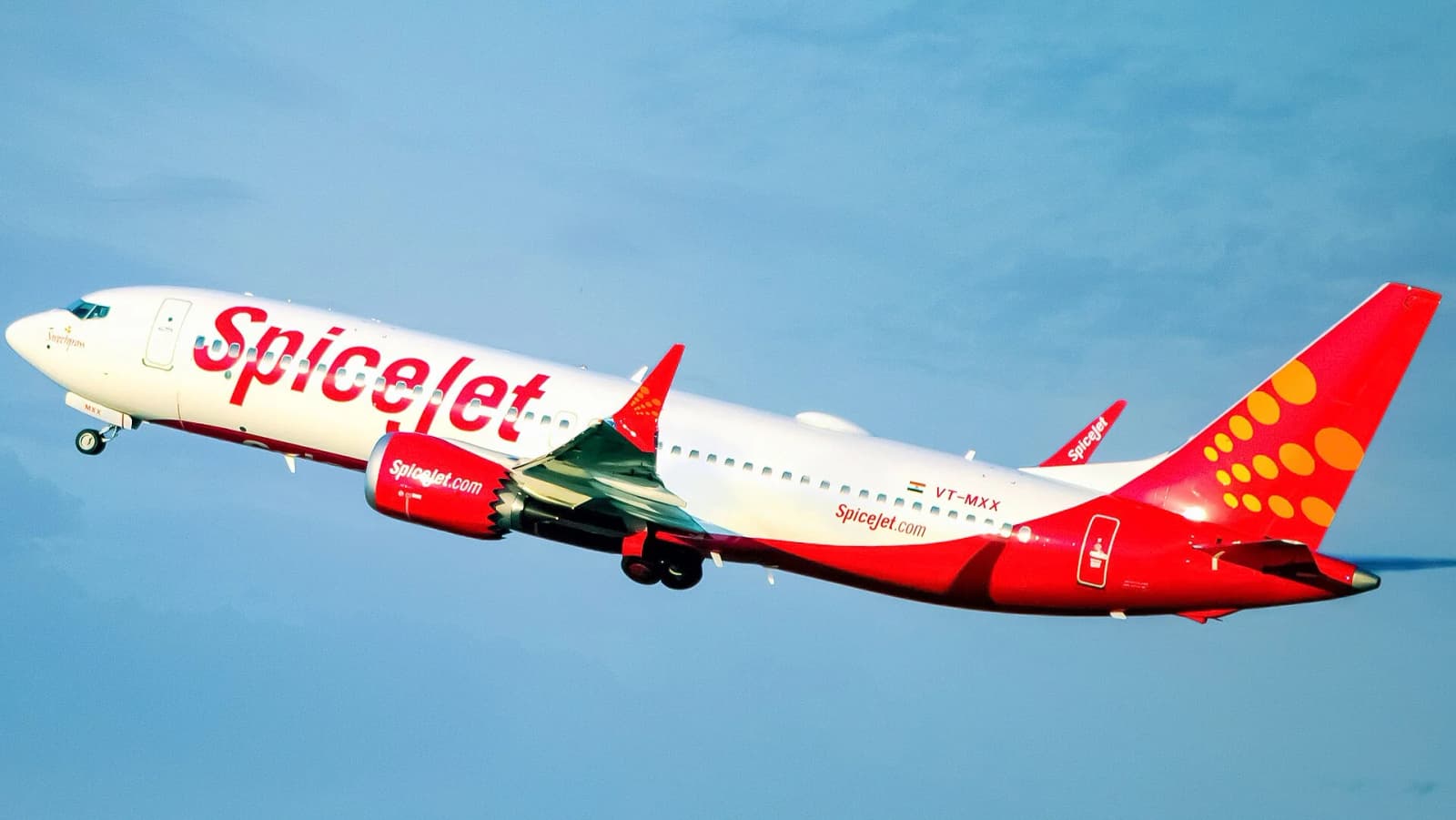
India's aviation regulator, the Directorate General of Civil Aviation (DGCA), has served SpiceJet with a show-cause notice over mounting flight cancellations, a largely grounded fleet and a string of alleged regulatory lapses, news agency IANS reported on 20 November 2026. The notice, dated 17 November, gives the airline seven days to explain why action should not be taken against it.
What has the DGCA accused SpiceJet of?
The regulator has flagged falling on-time performance, rising delays and a growing number of cancellations, along with the inconvenience these have caused passengers. According to the reports, the notice says the airline has not been operating its approved flight schedule and has not looked after passengers properly when flights were disrupted.
The DGCA also said that the majority of SpiceJet's aircraft are grounded and that the airline has not submitted a credible plan to bring them back into service. The notice further questions:
- uncertainty over the renewal of the airline's mandatory insurance cover;
- complaints from overseas aviation authorities about disruptions linked to delayed payments to service providers;
- the non-payment of an earlier regulatory penalty despite repeated reminders;
- whether the airline still meets the eligibility conditions for scheduled international flights; and
- repeated breaches of the Route Dispersal Guidelines despite penalties imposed in May.
How bad are the disruptions?
On Thursday, 19 November, 31 of 42 scheduled SpiceJet flights at Delhi, Mumbai and Bengaluru airports were cancelled or did not operate, according to airport data analysed by Business Standard and cited by Millennium Post. Delhi accounted for 16 of 22 affected flights, Bengaluru 12 of 16 and Mumbai three of four. Delhi airport operator DIAL warned passengers on two consecutive days that some flights may be affected.
The airline's share of the domestic market has collapsed. IANS put it at 0.6% in September, down from 1.2% in August, while Millennium Post reported that it had been 3.9% in January, with monthly passengers falling from 5.92 lakh to about 73,000 over the same period. Reports differ on how many aircraft are still flying, with figures of five and nine cited.
Money troubles are spilling abroad. Dubai Airports suspended SpiceJet's check-in on 12 November over roughly ₹35.85 crore owed to ground handler Dnata, leading to four cancellations, Millennium Post reported.
What is SpiceJet doing about it?
A day after the notice was issued, on 18 November, SpiceJet's board approved a proposal to raise up to ₹5,500 crore through one or more routes to shore up its finances and support a revival. This is an approved plan rather than secured funding, and talks with investors are reported to be ongoing. There was no immediate public response from the airline to the DGCA notice.
Investors reacted sharply: SpiceJet shares fell nearly 5% to ₹9.74 in afternoon trade on the BSE on 20 November, according to IANS.
Why it matters for travellers
Passengers holding SpiceJet tickets, particularly on routes from Delhi, Mumbai and Bengaluru, face a real risk of last-minute cancellations. Travellers should check their flight status before leaving for the airport and keep track of refund or rebooking options offered by the airline.
What happens next?
SpiceJet's reply is due within seven days of the 17 November notice. The DGCA will then decide whether the airline's explanation and revival plan are adequate or whether further regulatory action is needed. Whether the proposed ₹5,500 crore fundraise materialises is likely to shape that outcome.
Photo source · Md Shaifuzzaman Ayon, CC BY-SA 4.0