A weekly passenger train between Ayodhya in Uttar Pradesh and Janakpur in Nepal is expected to be launched on 23 November 2026, during Nepal Prime Minister Balendra Shah's visit to India. MapMyTimes reported the planned launch earlier. Here is what has been officially announced, what is still unknown, and what it could mean for travellers.
What is the Ayodhya–Janakpur train?
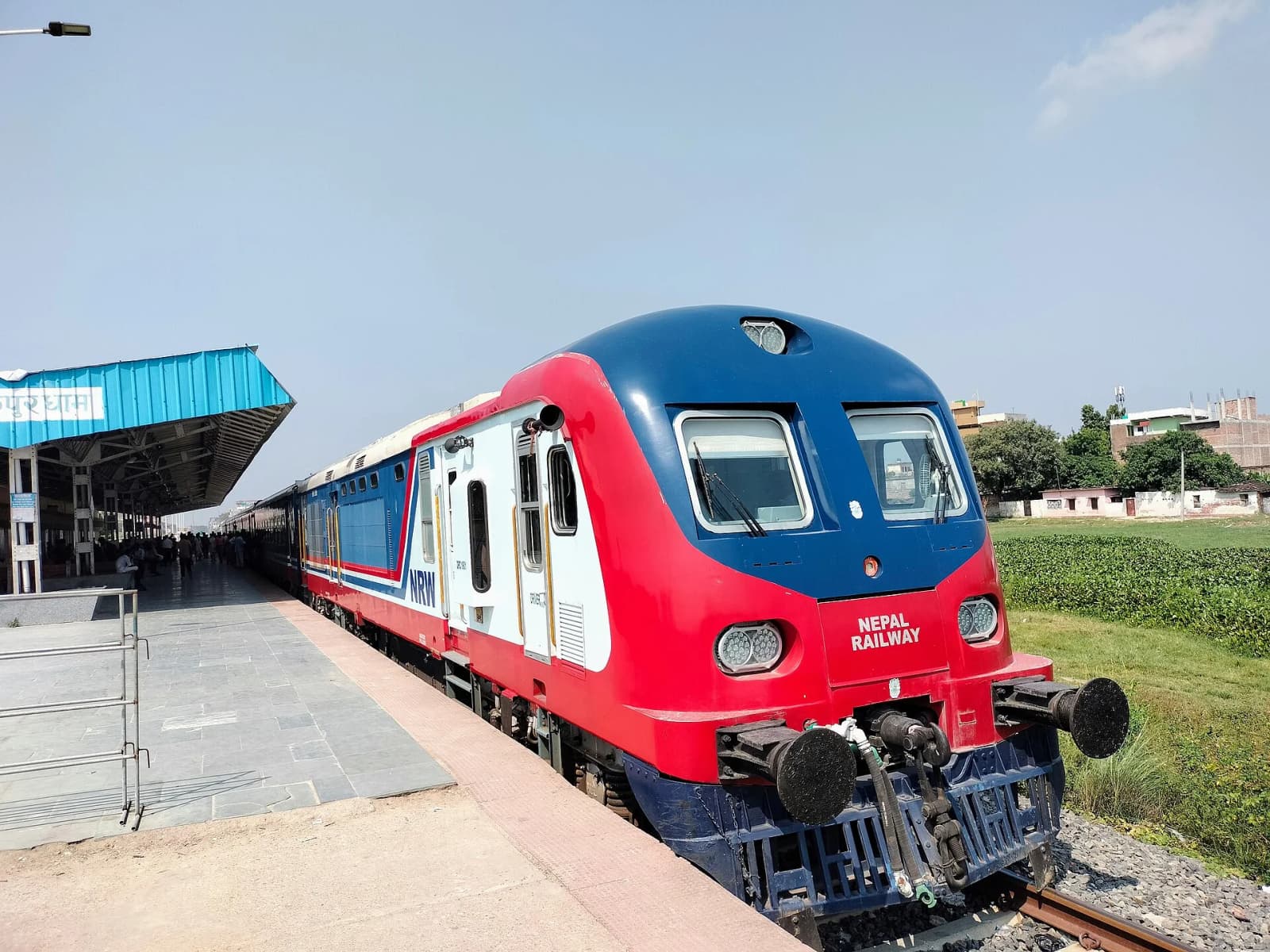
It is a new weekly train service approved by Indian Railways to run about 604 km between Janakpur Dham in Nepal and Ayodhya Cantt in Uttar Pradesh. The Ministry of Railways announced the approval on 14 November 2026, and DD News reported on 15 November that the train will leave Janakpur Dham on Saturdays and Ayodhya Cantt on Mondays, passing through towns in Bihar and Uttar Pradesh.
According to the official announcement as reported by DD News, the service is meant to strengthen cross-border connectivity, support religious travel between two sites linked to the Ramayana, boost tourism and local business, and help people travelling for education, work or family reasons.
Why is it in the news?
It is in the news because the launch is expected to be timed with Prime Minister Balendra Shah's first bilateral visit abroad since taking office. The Kathmandu Post reported on 16 November 2026 that Shah was scheduled to travel to India on 22 November and that the service was expected to be inaugurated the next day, 23 November, by Shah and Prime Minister Narendra Modi, citing Nepal's infrastructure ministry. Reports have differed on whether the inauguration will be in person or virtual, and the exact format had not been officially confirmed at the time of writing.
What route will it take, and where will it stop?
The train will have commercial stops at Jaynagar, Madhubani, Shisho, Sitamarhi, Raxaul, Narkatiaganj, Gorakhpur, Basti, Mankapur and Ayodhya Dham, in addition to its two terminal stations, according to the announcement reported by DD News. Jaynagar, in Bihar's Madhubani district, is the border point where the line enters Nepal.
The Kathmandu Post reported that only 28 km of the 604 km route lies in Nepal. It said the service would initially run once a week with an 18-coach train, and that the frequency could rise later depending on demand. Because Nepal does not have its own trains for such a service, the Indian side will operate it for now and pay for use of the Nepali infrastructure from Jaynagar, the newspaper said, citing an unnamed senior official.
How does it affect you if you plan to travel?
For now, the main effect is that a direct, single-train option is expected to replace journeys that need changes, but key details are not yet public. Departure times, ticket fares and the date on which regular bookings will open had not been announced in the official material reviewed by MapMyTimes. Travellers should check Indian Railways' official booking channels before making plans.
Identity documents are another point to check. The Embassy of India in Kathmandu says that for air travel between India and Nepal, Indian nationals need either a valid Indian passport or an original photo Voter ID card issued by the Election Commission of India, and that Aadhaar, PAN cards and driving licences are not accepted. That page is written for air travel and does not mention rail. No rail-specific document rules for this train had been published at the time of writing, so carrying a passport or original Voter ID is the safest course until officials say otherwise.
What already runs between India and Nepal?
A cross-border passenger line already links Jaynagar in Bihar with Nepal. On 2 April 2022, Modi and then Nepal Prime Minister Sher Bahadur Deuba jointly flagged off the Jaynagar–Kurtha passenger service from New Delhi after their talks at Hyderabad House, the Kathmandu Post reported at the time.
According to the Kathmandu Post's November 2026 report, Nepal now runs passenger trains on the Jaynagar–Janakpur–Bijalpura stretch, with services reaching Bijalpura. The full Jaynagar–Bardibas line is planned at 69 km, of which 17 km is still unfinished, with construction and land acquisition under way. The newspaper also reported that the Nepali section runs on diesel, while electric trains run up to Jaynagar on the Indian side, and that Nepal plans to seek Indian grant assistance to electrify its part of the line.
What is established, and what is still uncertain?
Established, from the official announcement: the route, the roughly 604 km distance, the weekly frequency, the days of departure from each end, and the list of stops.
Not yet confirmed at the time of writing: the timetable, fares, the date regular commercial runs begin, whether the 23 November inauguration will be in person or virtual, and any rail-specific rules for identity checks at the border. The 18-coach rake and the operating arrangement come from the Kathmandu Post's sources rather than the official release.
What happens next?
The next step is the expected inauguration during Shah's visit, after which Indian Railways would need to publish the timetable and fares. Nepal's officials have also signalled interest in raising frequency if demand is strong and in electrifying the Nepali section, according to the Kathmandu Post. MapMyTimes will update readers when the schedule and fares are officially notified.
Photo source · Suyash Dwivedi, CC BY-SA 4.0