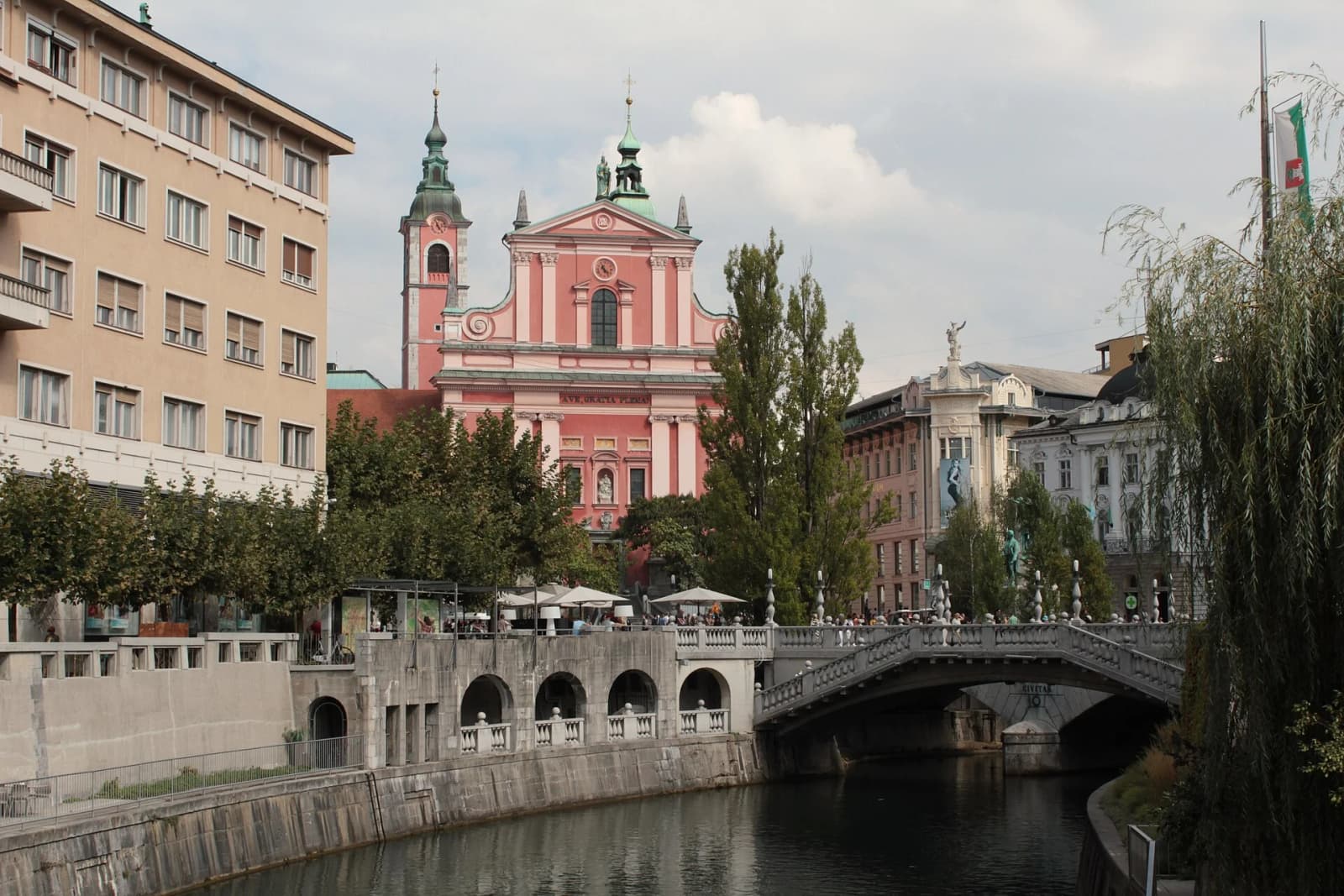
The European Commission on 20 November 2026 named Ljubljana, the capital of Slovenia, and Calvià, a municipality on the Spanish island of Majorca, as the 2027 European Capitals of Tourism, rewarding the two destinations for what it called leadership in sustainable and innovative tourism.
Ljubljana won the category for cities with more than 100,000 inhabitants, while Calvià took the title for destinations with between 25,000 and 100,000 inhabitants, according to the announcement published by the Commission's Directorate-General for Mobility and Transport. A European Jury picked the winners after the shortlisted destinations presented their cases in Brussels on 18 and 19 November.
Why did Ljubljana and Calvià win?
The jury rewarded Ljubljana for its knowledge sharing, continuous learning and resident-focused initiatives, and for strong results across accessible, sustainable, digital and cultural tourism. The Commission singled out the city's handling of visitor data as an example of how destinations can use data and innovation to grow responsibly and stay attractive across the seasons. Its planned programme of activities for 2027 also counted in its favour.
Calvià stood out for trying to change its tourism model altogether, moving away from high-volume mass tourism towards a more sustainable approach that runs through the year, the Commission said. The jury recognised its efforts to rethink how tourism can support long-term economic, environmental and social well-being and to build a "balanced relationship between visitors, residents and the local environment". The Commission said Calvià's shift could guide other mature destinations trying to make their management more sustainable.
How competitive was the contest?
Applications came from 83 destinations in 24 countries, and 16 were shortlisted, the Commission said. The other finalists among larger cities were Aalborg (Denmark), Braga (Portugal), Genoa (Italy), Konya (Türkiye), Lviv (Ukraine), Salzburg (Austria) and Sofia (Bulgaria), Euronews reported. In the smaller category, Calvià beat Calais (France), Geestland (Germany), Ibiza (Spain), Nova Gorica (Slovenia), Sandanski (Bulgaria), Selçuk (Türkiye) and Zadar (Croatia).
This is the first year the prize has been awarded under a single name. When it opened the 2027 round in April, the Commission said it had merged the former European Capital of Smart Tourism and European Green Pioneer of Smart Tourism competitions into the unified European Capitals of Tourism title, without changing the rules or prizes. The competition is open to cities in all 27 European Union member states and in non-EU countries taking part in the EU's Single Market Programme. Under the old titles, Tampere in Finland and Dubrovnik in Croatia were selected as the 2026 winners.
What do the winners get?
Each destination will receive a specially designed award sculpture to display during its year as capital, promotional support from the Commission and membership of a network of destinations working on smart and sustainable tourism, the announcement said. Through 2027, Ljubljana plans to showcase its work on accessibility, digitalisation, sustainability and creativity, while Calvià will focus on sustainable tourism and practices that support the green transition.
Apostolos Tzitzikostas, the European Commissioner for Sustainable Transport and Tourism, said the title "recognises their leadership in sustainable, innovative tourism that delivers for businesses, visitors and local communities", and that their example would inspire destinations across Europe.
Why it matters for travellers
The award is a signal of where European tourism policy is heading. The Commission said both winners fit the aims of its new EU Strategy for Sustainable Tourism, which seeks to make the sector more competitive and resilient, speed up its green and digital transition and ensure that local communities benefit. Calvià's win in particular puts an EU spotlight on a resort destination openly trying to move beyond mass tourism, a shift the Commission says the municipality will showcase throughout 2027.
Photo source · Valerio2468, CC BY-SA 4.0