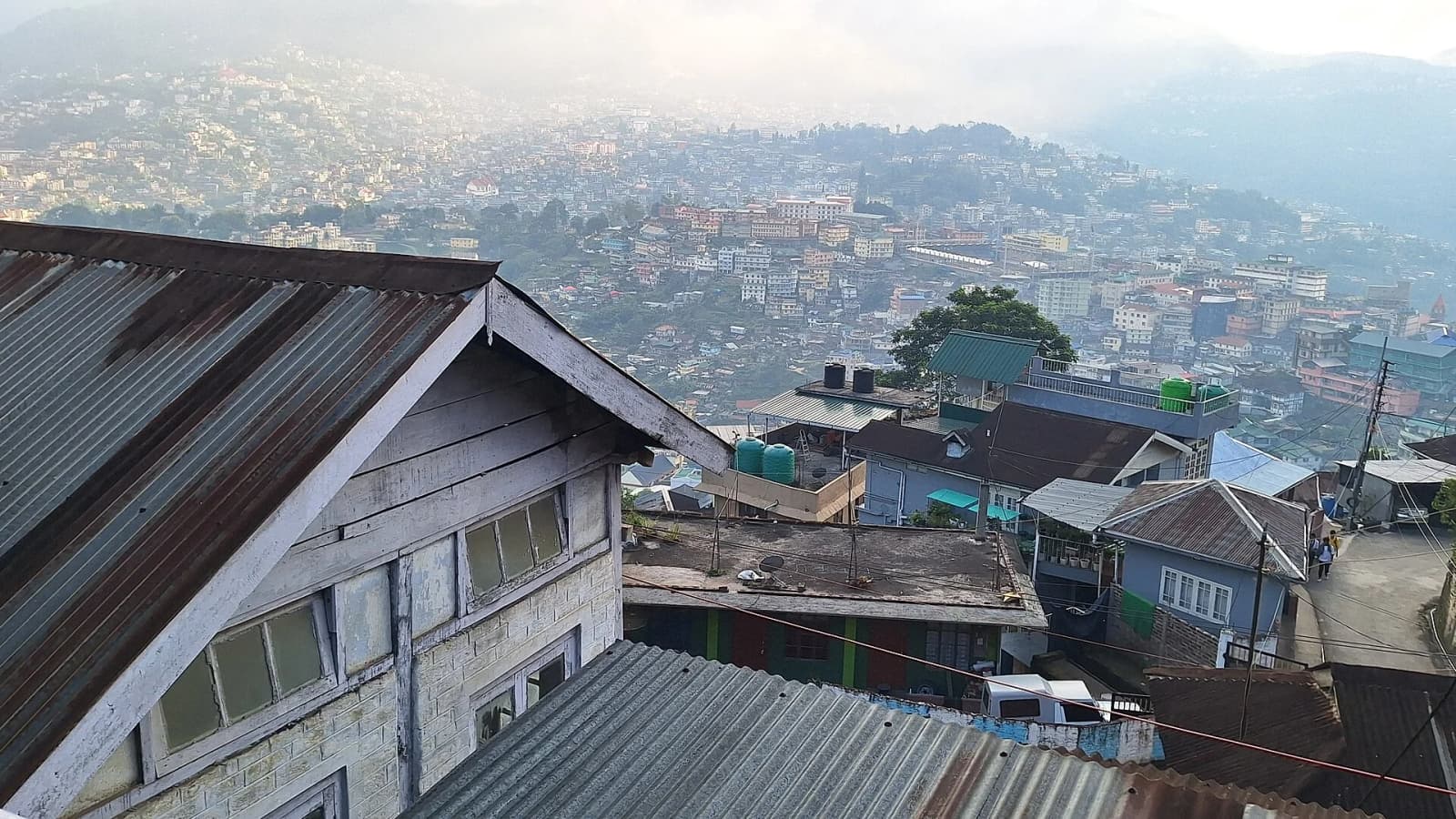
Thirty-nine Naga ancestral human remains, held for roughly a century at the University of Oxford's Pitt Rivers Museum in the United Kingdom, were formally welcomed home at a public homecoming ceremony at the NBCC Convention Hall in Kohima, Nagaland, on 28 November 2026. The remains were open for public viewing on 29 November and are due to be buried at the Naga Solidarity Park in Kohima at 2 pm on Monday, 30 November.
Nagaland Chief Minister Neiphiu Rio called the return a historic moment, saying it restored the identity, dignity and collective memory of the Naga people. "Our ancestors are not relics of a distant past. They are an inseparable part of our collective identity," he said, according to The Indian Express.
How did the remains get back to Nagaland?
They came back through a six-year, community-led process that began in 2020. According to the Pitt Rivers Museum's page on the return, the University of Oxford Council agreed on 13 July 2026 to give back the 39 ancestors, and custodianship passed to the Naga people at a Transfer of Title ceremony in Oxford on 9 November 2026, through the Forum for Naga Reconciliation (FNR) and the Naga Tribes Hoho.
The Council declined to return one further set of remains because its Naga origin could not be clearly established, the museum said. NT Thamlong Phom, vice-president of the Phom Peoples' Council, who travelled to Oxford for the handover, told The Indian Express that the delegation had been refused that skull because records did not show where it had been taken from.
The Morung Express reported that the remains left London on 24 November, reached Delhi on 25 November and were flown to Dimapur Airport on 27 November, where crowds in traditional attire gathered to receive them before they were taken to Kohima.
Why were Naga remains in Oxford?
According to the museum, the remains were removed from the Naga homeland during British colonial rule, mostly between 1910 and 1940, by administrators and collectors. The Indian Express reported that records show the first Naga ancestral remains were given to the museum by the colonial administrator John Henry Hutton, and that the museum took all human remains off display in 2020.
The Pitt Rivers Museum describes its Naga collection as the largest in the world. The museum has also recently put the seized belongings of Naga freedom fighter Rani Gaidinliu on display for the first time, a step MapMyTimes reported on and discussed in an opinion piece.
What role did the state and Centre play?
Speaking at the ceremony, Rio said the state government had set up a ministerial committee chaired by Deputy Chief Minister Y. Patton to oversee the process, and had given administrative and financial support, The Morung Express reported. He said clearances had to be obtained from several central ministries, and credited the Union Ministry of Culture and the Archaeological Survey of India with helping secure approvals under the Antiquities and Art Treasures Act, 1972.
Rio also recalled that he wrote to the Ministry of External Affairs on 8 October 2024 seeking intervention against a UK auction of a 19th-century Naga skull, after which the auction house withdrew the item. He thanked the FNR, led by Rev. Dr. Wati Aier, and the Recover, Restore and Decolonise (RRaD) initiative, coordinated by Dr. Ellen Konyak Jamir, which carried out research and community consultations.
Responses and what happens next
"While it is a happy moment, it is also about healing and finding our own dignity," Aier told The Indian Express. At Dimapur, Thamlong Phom described the burial as the start of a journey towards healing, unity and peace among Nagas, rather than an end.
The burial at the Naga Solidarity Park, a site created after the 1993 'Naga Week' marking the UN International Year of the World's Indigenous Peoples, is scheduled for Monday afternoon. The museum says the Naga have committed to a joint memorial resting place for the ancestors.
Photo source · Ly.n0m, CC BY-SA 4.0