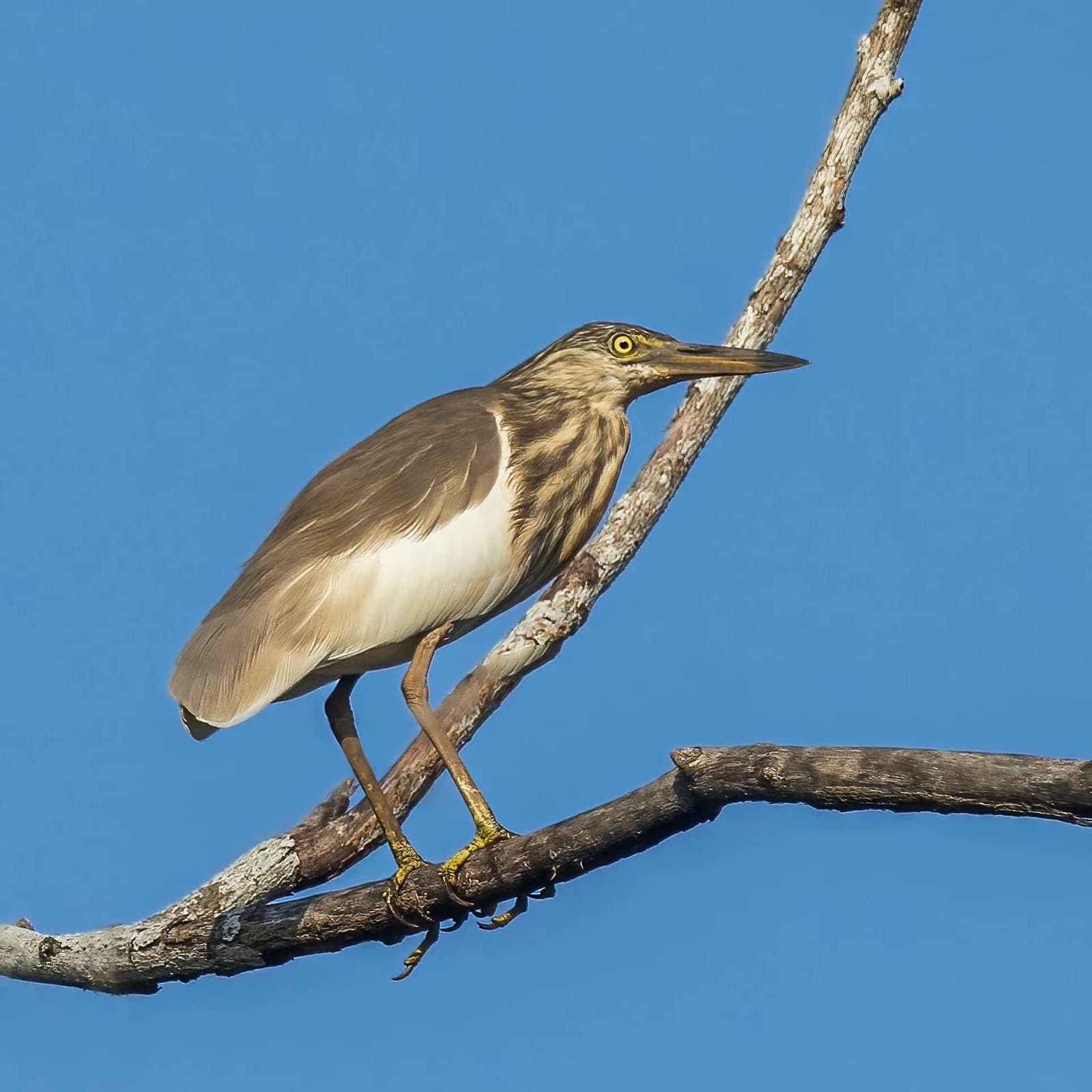
Bird flu has been confirmed in Tamil Nadu's Coimbatore district after a sample from a pond heron found dead in the city tested positive for the H5N1 strain of avian influenza, officials said on 28 November 2026. The result came from the ICAR-National Institute of High Security Animal Diseases (NIHSAD) in Bhopal, the country's reference laboratory for highly pathogenic bird flu.
Officials stressed that the infection was found in a wild bird, not in poultry, and that no farm lies within a kilometre of the spot where the herons died. The Animal Husbandry Department has nonetheless tightened surveillance across the district.
Where were the birds found, and how many died?
The herons were found dead on 18 November beside the Sanganur stream in the Siddhapudur–Ganapathy area, within Coimbatore Corporation limits. Accounts of the number differ: Forest Department sources told The Hindu that eight pond herons were found, while The New Indian Express reported 14. Samples were sent to NIHSAD, and one tested positive. Reports also differ on when the result arrived, with dates of 25 and 27 November cited.
District Forest Officer N. Vengatesh Prabhu said the spot is neither a roosting nor a nesting site, although herons feed along the channel. One more pond heron was found dead at the same place on Saturday, and its carcass was burnt. Because the locality is now treated as the epicentre, further testing will be needed only if birds die outside a 1-km radius, The Hindu reported.
Will poultry be culled in Coimbatore?
No. S. Chitra, Regional Joint Director of the Animal Husbandry Department in Coimbatore, said culling of domestic birds is not required because the virus was detected in a wild bird, and no similar deaths have been reported among poultry in the district. Farmers have been told to report any unusual deaths or signs of illness at once.
The department said it will collect soil, water and droppings from the site for further tests. Twelve checkposts on the Tamil Nadu–Kerala border are monitoring the movement of birds and poultry material, vets have been told to inspect farms in person, and migratory birds at waterbodies will be watched. The Forest Department and local bodies have been asked to alert the department to any bird deaths in unusual circumstances, and the department is working with the Coimbatore Corporation on biosecurity in the city.
How does this fit Tamil Nadu's wider outbreak?
The Coimbatore case follows repeated H5N1 outbreaks in commercial poultry in Cuddalore district. More than one lakh birds have been culled there over the past month, according to a report carried by Business Standard, including over 25,000 chickens at a farm in Nochikkadu, where fresh culling began this week. The scare has also hit trade, with Namakkal egg prices stuck below production cost.
In Chennai, Guindy Children's Park has been closed to visitors for three days from 28 November after 14 birds died in its waterbird enclosure. Officials said the cause has not been established and bird flu has not been confirmed there; samples have been sent to NIHSAD.
What happens next?
The results of the environmental samples from the Sanganur site, and any further deaths outside the 1-km zone, will show whether the virus has spread among wild birds in the city.
Photo source · Charles J. Sharp, CC BY-SA 4.0