Animal husbandry officials in Tamil Nadu's Cuddalore district have culled thousands more chickens at poultry farms in Nochikadu and nearby Naduthittu after a fresh wave of sudden bird deaths, according to reports published on 27 November 2026. The new culling comes two weeks after highly pathogenic avian influenza was confirmed in the district, and as Tamil Nadu Health Minister K.G. Arunraj said no human infections have been found in the state.
What happened in Cuddalore this week?
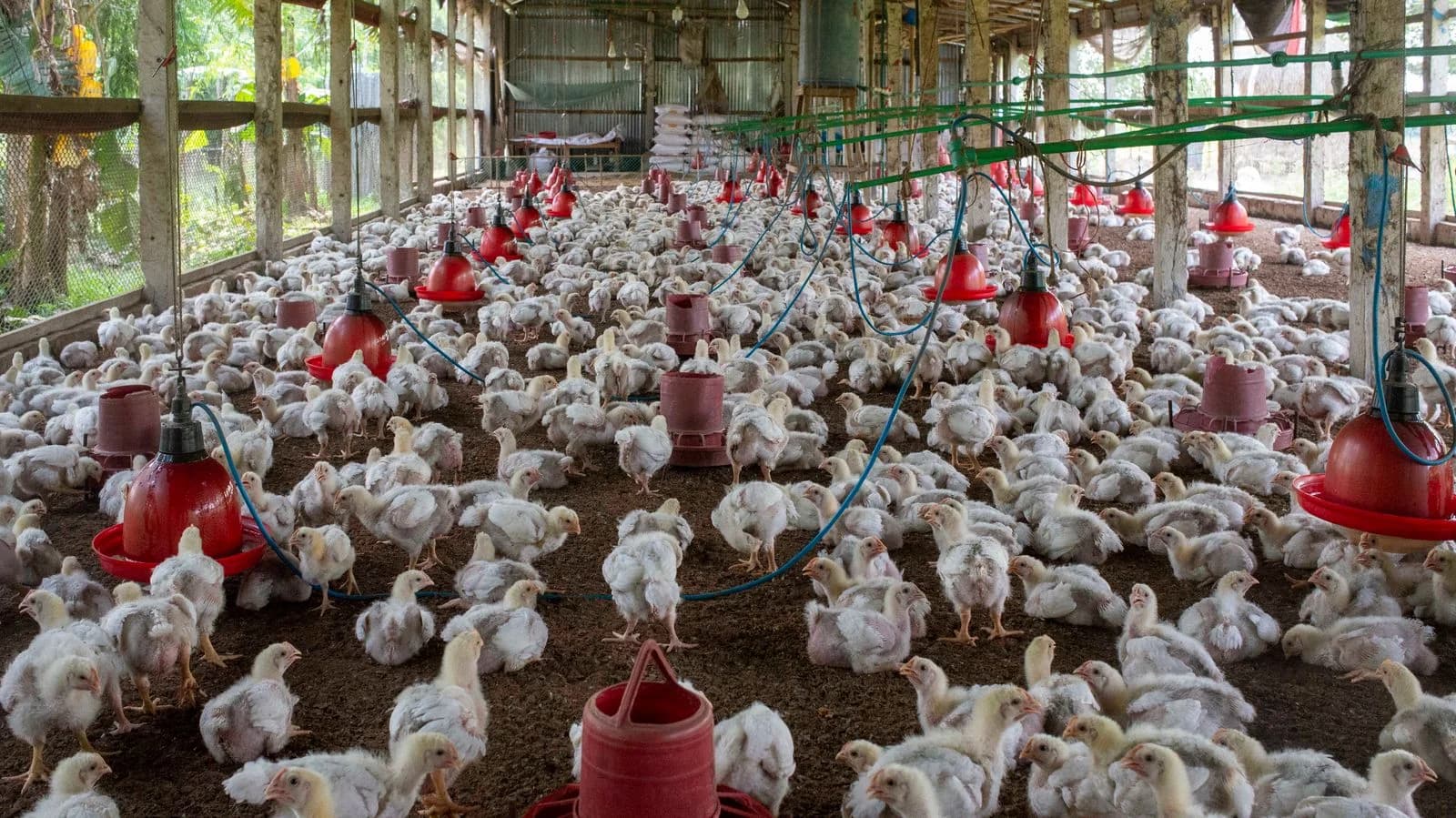
Birds at two farms in Nochikadu and Naduthittu died suddenly, and officials culled and buried the remaining flocks, DT Next reported. It put the number culled at about 10,000. A separate report by News Today said about 25,000 chickens were being culled at a single farm in Nochikkadu after more than 1,000 birds died there, and that tissue and blood samples tested positive for bird flu at the central laboratory in Bhopal. The two reports differ on the numbers, and no official district figure was available at the time of writing.
According to DT Next, the carcasses were buried in pits dug with earthmovers and covered with bleaching powder, and sanitation workers were sent to spray disinfectant in Nochikadu and surrounding villages. News Today reported that the affected farm has been sealed and barred from restocking for 90 days, with joint committees of revenue, animal husbandry and local officials monitoring quarantine rules.
How did the outbreak begin?
It began about a month ago. DT Next reported that more than 40,000 chickens died across five farms in and around Kattiyankuppam, that highly pathogenic avian influenza was confirmed on 13 November, and that more than 34,000 birds were culled at those farms. Officials then ordered all poultry within a one-kilometre radius of the infected Kattiyankuppam farm to be culled.
Residents told DT Next that farms in Nochikadu and Naduthittu had been overlooked despite repeated warnings, and that authorities acted only after birds died there. Farm owners have sought fair compensation from the state government, the newspaper said. News Today reported that more than one lakh birds have been culled across the district over the past month.
Is there any risk to people?
No human case has been reported. Speaking to reporters in Nagapattinam on Thursday, 26 November, Health Minister Arunraj said there had been no human infections in Tamil Nadu after the H5N1 outbreaks and that the situation was under control, The Hans India reported. He said health teams were screening residents in Cuddalore and that H5N1 had also been confirmed at Vandalur Zoo in Chennai, prompting increased surveillance.
Earlier this month, Director of Public Health Dr Somasundaram asked people to stay vigilant without panicking, Medical Dialogues reported on 16 November. Its report said the health department advised people not to handle dead birds with bare hands, to see a doctor promptly if they develop fever, cough or breathing difficulty after contact with poultry, and to eat only thoroughly cooked chicken, since proper cooking destroys the virus.
Why it matters
Cuddalore has 11 major poultry farms, DT Next reported, and the state has stepped up surveillance in Namakkal, a major egg production centre, according to Medical Dialogues. Repeated outbreaks mean losses for farmers and a continuing need for checks on poultry moving into markets.
What is not yet confirmed?
The exact number of birds culled in the latest round and whether further farms are affected have not been officially stated. Reports did not mention any restrictions on the sale of chicken or eggs in the district.