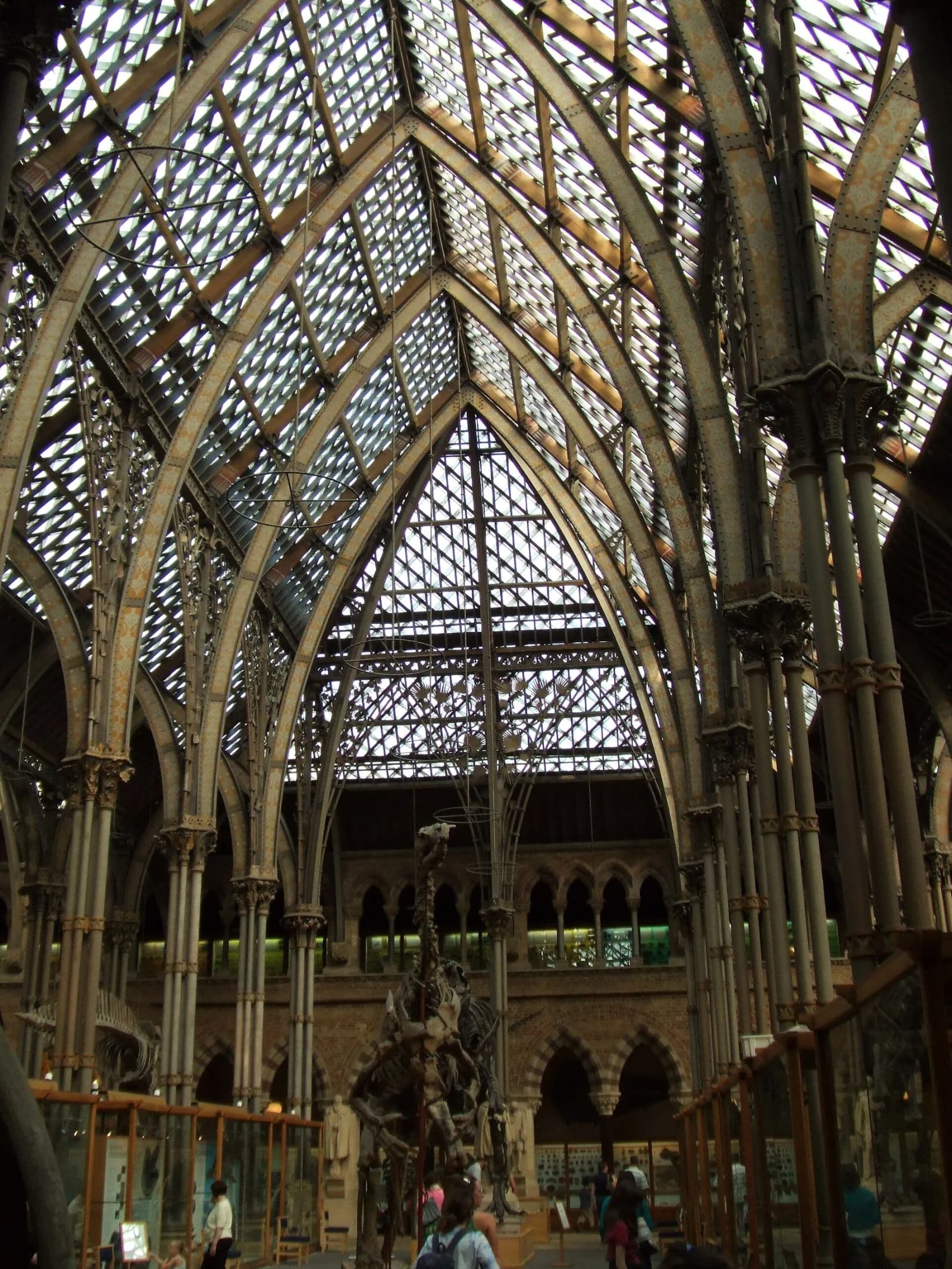
This is a MapMyTimes opinion piece. On 27 November 2026, the Pitt Rivers Museum at the University of Oxford opened The Afterlives of Captured Objects: Reanimating the Gaidinliu Collection Digitally, putting on public view for the first time the belongings that British colonial officers seized from the Naga leader Rani Gaidinliu in the 1930s. The opening came two days after 39 Naga ancestral remains, held by the same museum, landed in New Delhi on their way home to Kohima. Taken together, the two events show how far museum ethics have moved, and how far they still have to go.
What did the museum actually put on display?
The museum has displayed 27 objects from the Gaidinliu Collection, according to a report in The Morung Express. They include her basket and twelve notebooks written in a script that has not been deciphered, clothing woven in Rongmei patterns, arm bands, a bangle, small wooden clubs, and textiles taken from a temple at Kambiron in present-day Manipur in 1931. Gaidinliu was arrested in 1932 at the age of seventeen for leading an uprising against British rule, and her possessions were sent to Oxford. The colonial officer and anthropologist JP Mills, who collected many of the items, dismissed her writing as "meaningless scribbling" while noting that it gave her "immense prestige" among her followers. That contradiction sums up how such collections were built. Our news report on the exhibition is here.
Why "digital return" is a real step
The museum deserves credit for the method behind the show. Over four years, a project led by Arkotong Longkumer of the University of Edinburgh with Clare Harris of the University of Oxford, and funded by the Arts and Humanities Research Council, scanned the collection in 2D and 3D. The scans were shared with Naga communities in Assam, Manipur and Nagaland through workshops and pop-up exhibitions, and digital copies were deposited with families. Naga weavers and basket-makers have used the images to make new work, some of which now sits in the Oxford galleries. For the first time, the people the objects belong to culturally have been able to study them closely and to tell their own story through them.
Where it falls short
A digital copy is not the object. The museum's own page puts the word "returned" in quotation marks, and rightly so: the basket, the notebooks and the clothes remain in Oxford. The physical return of the ancestral remains, a process that the Nagaland government says began in 2020 and which ends with burial at Naga Solidarity Park in Kohima on 30 November, shows that the harder kind of return is possible when communities, researchers and the museum work together. Our report on the homecoming of the remains sets out that timeline.
The strongest case for leaving the collection where it is
It would be wrong to pretend the answer is simple. According to The Morung Express, most respondents in the project's consultations said the Gaidinliu Collection should stay at the Pitt Rivers for now, while welcoming continued engagement, and the museum says it has received no request to repatriate it. Fragile textiles and paper need specialist care, and an exhibition in Oxford brings a Naga freedom fighter's story to an international audience that might never otherwise hear it. Those are serious arguments, and the communities' own wishes must come first.
What should happen next
MapMyTimes believes the decision should stay with Naga communities, but the choice must be a real one. That means three things. First, the museum should publish a clear, time-bound process for any future request, so that "not now" is never read as "never". Second, Indian institutions, from state museums in Kohima and Imphal to the Union Ministry of Culture, should be ready with the conservation facilities and funding that would make a return practical if communities ask for it. Third, the work of reading Gaidinliu's notebooks, which scholars are now doing with community members, should be led from the Naga hills, not from Oxford.
Rani Gaidinliu, who was freed after Independence in 1947, received the Padma Bhushan in 1982 and died in 1993, spent much of her youth in British custody. Her belongings have spent nearly a century in a museum store. Showing them in public is a welcome start. Letting her own people decide where they finally rest would be the fitting end.
Photo source · Hugh Llewelyn, CC BY-SA 2.0