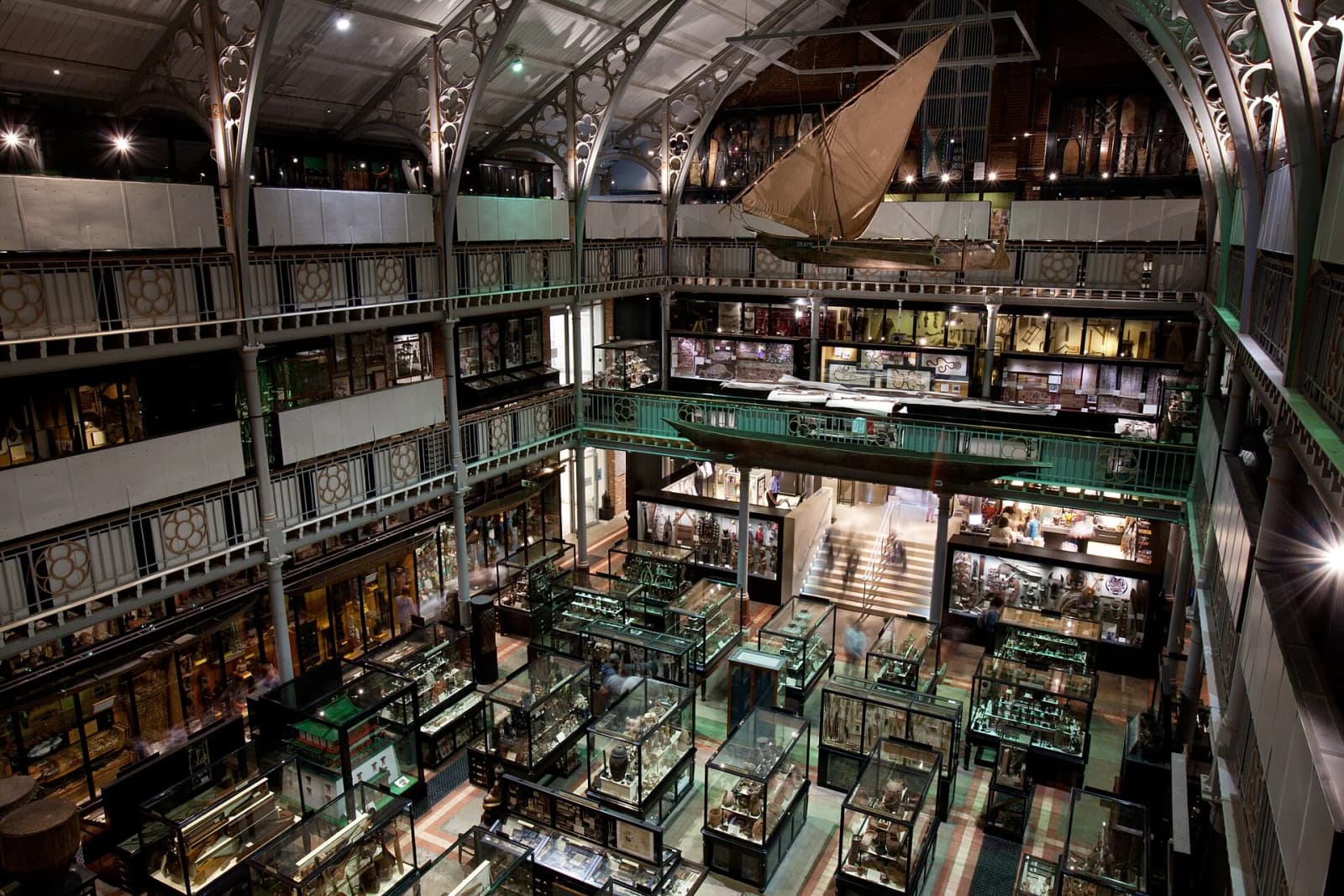
After nearly 80 years in the collections of Oxford University's Pitt Rivers Museum, 39 Naga ancestral human skeletal remains—considered the first repatriation of human remains to India—are returning home to Nagaland this week ahead of formal burial rites in Kohima on November 30, 2026.
Homecoming Timeline from Delhi to Kohima
Custodianship was transferred in early November to a visiting Naga delegation of community leaders and scholars, and the flight carrying the remains landed at Indira Gandhi International Airport in New Delhi on the morning of November 25, received by Nagaland House Additional Resident Commissioner Sharon Longchari and Forum for Naga Reconciliation (FNR) representatives. Following security arrangements, the remains travel to Dimapur on November 27.
A public homecoming programme is scheduled for November 28 at noon at Kohima's NBCC Convention Centre, followed by public wreath-laying and prayers on November 29 from 9:00 AM before final burial on November 30 at 2:00 PM at Naga Solidarity Park.
Six-Year Decolonization and Community Dialogue
Taken from Nagaland by British colonial administrators John Henry Hutton and James Philip Mills between 1910 and 1940, the 39 remains include those of two children, a woman and a village chief. The return followed a six-year community-led effort initiated in 2020 when anthropologist Dolly Kikon contacted the museum after its ethical display review.
With India lacking national legislation governing Indigenous ancestral repatriation, FNR and voluntary research collective Recover, Restore and Decolonise (RRaD) held consultations across villages and towns. Museum director Laura Van Broekhoven described the milestone as a step toward reconciliation and healing, while scholars including Edinburgh University professor Arkotong Longkumer noted that around 178 objects with human hair and 6,500 Naga artefacts remain at Oxford.