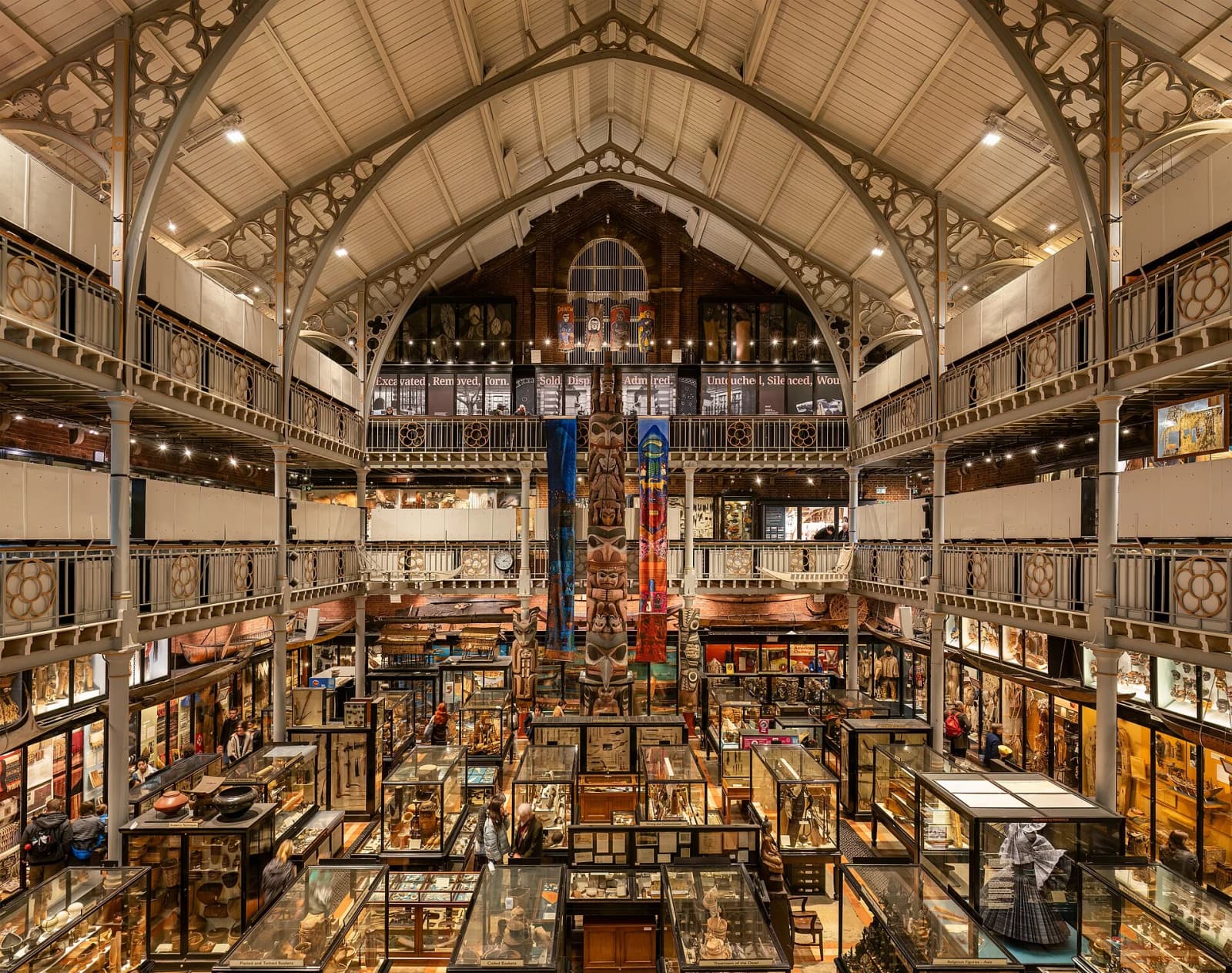
OXFORD: Nearly a century after British colonial forces arrested teenage Naga spiritual and anti-colonial leader Rani Gaidinliu in 1932, the University of Oxford's Pitt Rivers Museum has placed 27 of her seized belongings on public display for the first time in an exhibition titled The Afterlives of Captured Objects.
Kept in museum storage for decades, the collection includes Gaidinliu's notebooks stored in a woven basket, textiles, bracelets, amulets, and ritual items confiscated while British troops pursued her across northeast India. The exhibition runs until August 31, 2027.
Colonial Seizure and Sacred Objects in Storage
Curated alongside visual anthropology professor Clare Harris, the show examines how colonial officials catalogued Indigenous heritage in dismissive terms. Colonial anthropologist JP Mills described Gaidinliu's notebooks as 'meaningless scribbling' even while documenting how those writings gave her 'immense prestige' among followers of the Heraka movement she led.
Among the items exhibited are textiles stripped from a pair of sacred male and female clay figures after British troops destroyed a Heraka temple in Kambiron village in 1931. The textiles are shown next to a British soldier's photograph documenting the temple before its destruction, allowing visitors to confront the context of colonial extraction.
Digital Return and Community Craft Revival
The exhibition follows a four-year collaboration between researchers from India and the Universities of Oxford and Edinburgh, co-led by Edinburgh anthropology professor Arkotong Longkumer. High-resolution scans of Gaidinliu's objects and notebooks were shared directly with Naga communities across Assam, Nagaland, and Manipur.
Local artisans have used those digital records to revive traditional basketry and weaving patterns—examples of which appear in the Oxford display—while scholars work with community members to study the symbols in Gaidinliu's notebooks. Gaidinliu's grandniece Alila Chang, attending the preview in Oxford, called the display a source of family pride that introduces her grandaunt's struggle to the wider world.