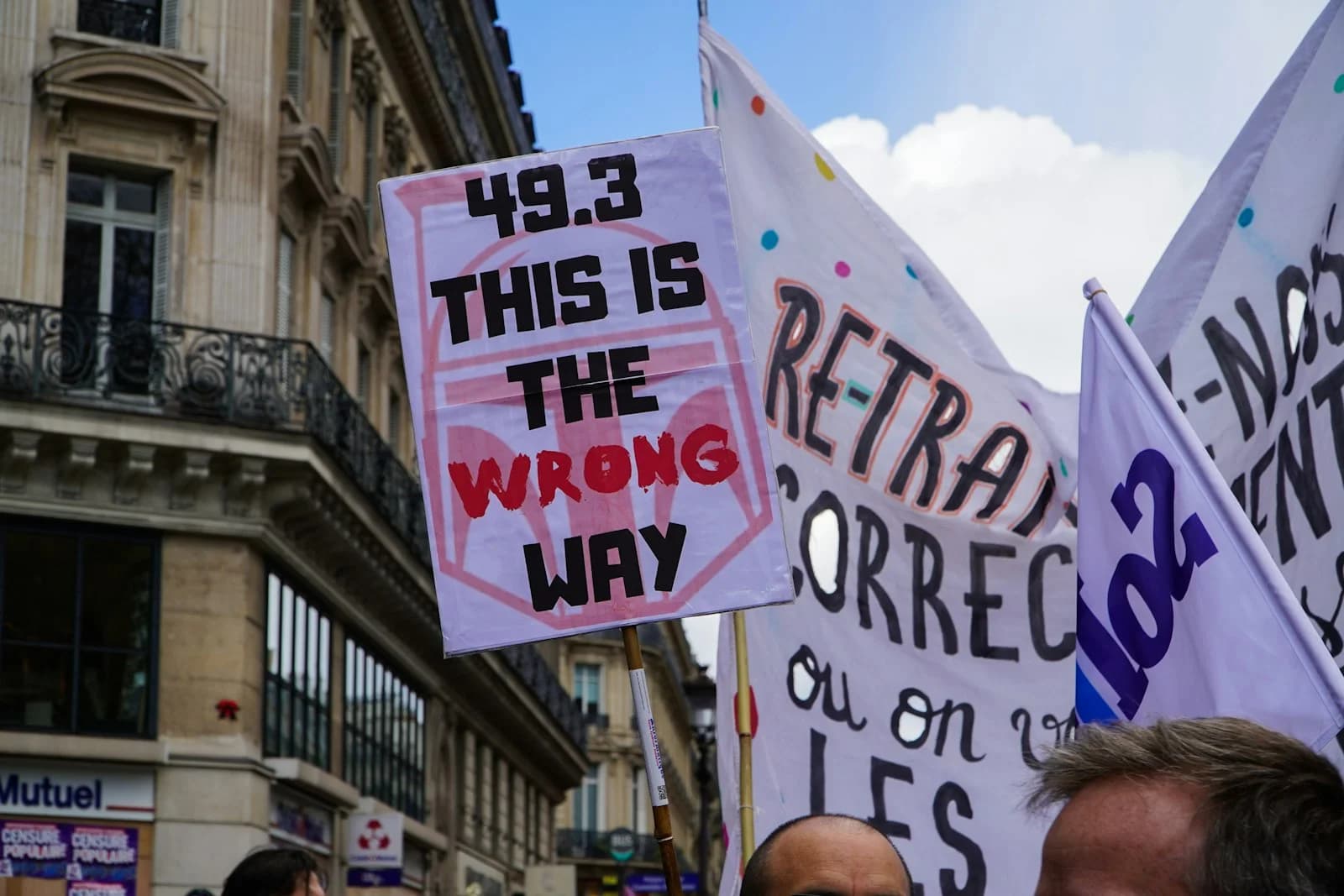
Protests over the cost of living, strained public services and policing went ahead across France on Saturday, 21 November 2026, for a sixth weekend in a row, but turnout fell for a second straight week and the marches were largely peaceful, according to official figures and organisers' counts reported by FRANCE 24 and Agence France-Presse (AFP).
The French Interior Ministry counted 82,500 demonstrators nationwide, including 21,500 in Paris, and said the movement had "clearly diminished". Organisers put the total at 150,000, with 45,000 in the capital.
How many people marched, and how does that compare with earlier weeks?
Turnout was lower than the previous Saturday on both counts. On 14 November the Interior Ministry had counted about 106,000 protesters nationwide, including 24,000 in Paris, while organisers claimed 200,000. Organisers say their first weekly march on 17 October drew about 800,000 people.
- Paris: the authorised march ran from Place de la République to Place de la Nation through the 3rd, 10th, 11th and 12th arrondissements.
- Marseille: police counted 4,600 marchers; part of the procession broke off into an unauthorised demonstration.
- Lyon: demonstrations were banned across a wide area, and several unauthorised marches heading for the city centre were dispersed with tear gas, AFP reported.
- Lille: about 5,000 people gathered.
What are the protesters demanding?
Protesters are demanding higher incomes, better public services and better conditions for students. The movement began in September, when high school students protested over school buildings, teacher shortages and learning conditions, and widened into a campaign against rising prices, weak public services and alleged police brutality. Unions and youth groups organised the Paris march, and high school and university students took part. Tenants' rights organisations also co-signed the call to protest.
How did the authorities respond?
About 70,000 police officers and gendarmes were deployed across France, the same as a week earlier. In an afternoon situation report the Interior Ministry described the day as "generally calm, with no notable incidents" and reported seven arrests at that point. Sporadic violence was reported on the margins, including in Marseille, and the Paris police prefecture stepped up security checks on public transport.
Interior Minister Laurent Nuñez has maintained that the police response has been proportionate in almost all cases, while saying some protests had turned into riots. Large rallies in October saw the worst rioting in years, with shops looted and buildings set on fire.
Why it matters
The weekly marches have become a test of the government's ability to respond to economic pressure at a time of high public debt, which limits how much it can spend to meet protesters' demands. The unrest also comes as working people elsewhere in Europe take to the streets over similar issues; in Portugal, thousands marched in Lisbon over living costs, housing and low wages on the same day. France has also said the European Union's proposed 2028–34 budget falls short, a separate debate over public money in Europe.
What happens next?
No date has been announced for the next nationwide protest. The hard-left France Unbowed (La France insoumise) party urged supporters to keep up the pressure, saying "the fight continues", and unions and activists have called for further mobilisation in the coming weeks. Official turnout figures are published by the French Interior Ministry.