Thousands of people marched through central Lisbon, Portugal, in heavy rain on Saturday, 21 November 2026, to protest against rising living costs, a worsening housing crisis and low wages, three days before Parliament's final vote on the 2027 State Budget. The march was called by the General Confederation of Portuguese Workers (CGTP-IN), the country's largest trade union federation.
What were the protesters demanding?
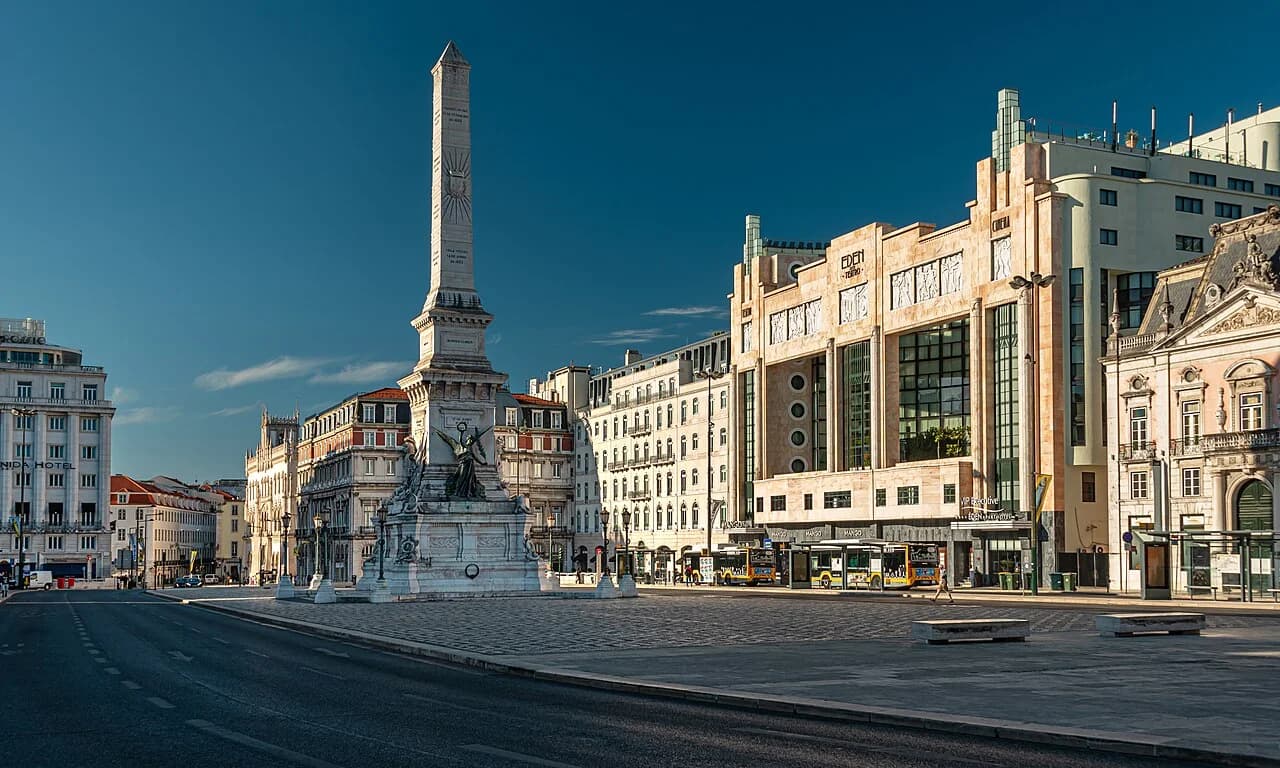
The CGTP-IN is demanding higher wages and pensions, lower and controlled prices for essential goods and services, and measures to curb housing costs, along with defence of public services such as health, education and social security. The march, held under the slogan "A new direction for Portugal", set off at 2.30 pm from Saldanha and headed to Restauradores square.
The federation said "many thousands" took part, Reuters reported. Police did not give an estimate. Marchers carrying umbrellas and wearing hoods filled two of the city's main avenues.
In a video posted on the CGTP's Facebook page before the march and quoted by the Portuguese news site 24notícias, secretary-general Tiago Oliveira said workers were "not condemned to accept this course" and that the answer lay in their "unity", "strength" and "mobilisation". He said a "brutal increase" in the cost of living was eroding the purchasing power of workers and retirees.
What did marchers say?
"We work more, we have more expenses and we don't have money for day-to-day life," Manuel Gomes, a 44-year-old factory worker, told Reuters, blaming the policies of Portugal's centre-right government. Luís Russo, a 66-year-old retired IT technician, said he was marching for higher wages and pensions and against speculation in the rental market.
The newspaper Público reported that members of the Acampada de Lisboa, a housing protest camp, joined the march. The group then walked from Restauradores to the Assembly of the Republic in São Bento, where it set up tents, calling on Parliament to reject the budget. The camp claims credit for housing measures being removed from the budget but says it is not satisfied.
Why are Portuguese workers angry?
Portugal's average annual earnings in 2025 were 37 per cent below the European Union average, according to Eurostat figures cited by Reuters. Inflation reached 3.8 per cent in October, driven by food and energy prices amid tensions in the Middle East. House prices have more than doubled since 2017, and rents on new leases have almost doubled, a burden that falls especially on young people.
Saturday's march followed weeks of unrest, including housing activists' tent camps in Lisbon and Porto. On 17 October, a CGTP rally in Lisbon over housing and living costs drew what the federation called "many tens of thousands". At that time, Parliamentary Affairs Minister Carlos Abreu Amorim said the government "will not yield to shouts from the street" and that concrete measures were already being rolled out, Reuters reported.
Part of a wider European wave
The Lisbon protest was one of several across Europe in recent days focused on the cost of living and affordable housing, with demonstrations from Portugal and Spain to Italy and France, France 24 reported. In France, protesters took to the streets for a sixth consecutive Saturday, although turnout there was lower than in previous weeks.
What happens next
The CGTP-IN plans a rally outside the Assembly of the Republic on Tuesday, 24 November, when lawmakers hold the final overall vote on the 2027 State Budget, according to 24notícias. Público reported that further demonstrations are expected on the day of the vote. The CGTP had announced the Lisbon march on 29 October after a meeting of its National Council, calling for November to be a month of action.
Photo source · Jorge Franganillo, CC BY 2.0