The UN Interim Force in Lebanon (UNIFIL) began handing some of its positions in southern Lebanon to the Lebanese army on Saturday, 21 November 2026, its head of mission Major General Diodato Abagnara announced, as the force enters the last six weeks of its mandate. MapMyTimes reported the start of the handover. Here is what UNIFIL is, why it is ending, and what it means for the Indian soldiers who have served in it.
What is UNIFIL?
UNIFIL is a United Nations peacekeeping force that has been deployed in southern Lebanon, along the frontier with Israel, since 1978. In 2006, after the war between Israel and Hezbollah, Security Council Resolution 1701 expanded its mandate to include monitoring the cessation of hostilities and supporting the Lebanese army as it deployed south of the Litani River.
The force has drawn troops from dozens of countries. In February 2026, UNIFIL spokesperson Kandice Ardiel said it had about 7,500 peacekeepers from 48 countries, after cutting almost 2,000 personnel in preceding months because of a UN-wide financial crisis that she said was unrelated to the mandate's end.
Why is UNIFIL ending?
UNIFIL is ending because the UN Security Council decided in August 2025 to renew it one last time rather than indefinitely. Resolution 2790 (2025), adopted unanimously on 28 August 2025, extended the mandate "for a final time" to 31 December 2026 and decided that an orderly and safe drawdown and withdrawal would begin from that date and be completed within one year.
The same resolution asked the UN Secretary-General to explore, by 1 June 2026, options for implementing Resolution 1701 after UNIFIL leaves, including help with security and monitoring of the Blue Line, the UN-drawn line separating Lebanon and Israel. Lebanon had not asked for the force to be withdrawn.
Why is it in the news now?
It is in the news because the physical handover of UNIFIL sites to the Lebanese Armed Forces has now started, according to Abagnara's announcement reported by Lebanon's National News Agency on 21 November. Speaking in Tyre, he warned against a security vacuum after the mission ends and said core tasks such as monitoring and reporting violations, humanitarian aid and protecting civilians should continue in some form.
Abagnara also called Israel's continued presence in parts of southern Lebanon "a clear violation" of Resolution 1701, which complicates the handover of areas Israel still holds. A ceasefire took effect on 17 April 2026, and a US-mediated framework signed on 26 June ties Israel's withdrawal to the Lebanese army regaining control and to the verifiable disarmament of non-state armed groups, Anadolu Agency reported. Israeli strikes in Lebanon have continued. The same week, Lebanese President Joseph Aoun demanded a full Israeli withdrawal in his Independence Day address.
What does the timeline look like?
UNIFIL's operations are due to stop on 31 December 2026, after which the force will withdraw over 2027. In February 2026, spokesperson Ardiel said UNIFIL planned to "draw down and withdraw all, or substantially all, uniformed personnel by mid-year 2027", with the pullout completed by the end of that year. During the withdrawal period the force's tasks are limited to matters such as protecting UN personnel and bases.
How does it affect India?
India is one of the countries most directly affected, because it has kept a large contingent in the force. When the Security Council voted in August 2025, UN figures cited by the news agency IANS showed 903 Indian peacekeepers among 10,800 UNIFIL personnel. Two Indian officers, Major General Lalit Mohan Tewari and Brigadier Ganesan Athmanathan, led the force in the early 2000s.
The end of the mandate means the Indian battalion in southern Lebanon will be among the units that have to pack up and leave during 2027 unless the Security Council creates a new arrangement. MapMyTimes could not find any public statement from India's Ministry of External Affairs or the Indian Army on the schedule for bringing the contingent home.
What is established, and what is still uncertain?
These points are established:
- UNIFIL's mandate ends on 31 December 2026 under Resolution 2790, and withdrawal must be completed within one year of that date.
- The handover of positions to the Lebanese army began on 21 November 2026, according to the mission chief.
- UNIFIL has said most or all of its uniformed personnel should be gone by mid-2027.
These remain uncertain:
- Whether the Security Council will approve any follow-on UN presence; Abagnara said that depends on the Council's decisions.
- How sites in areas still held by Israel will be handed over.
- Whether individual countries keep troops in Lebanon outside the UN mission. Italy said in February that it intended to keep a military presence, and Lebanese authorities have urged European countries to stay.
- The exact timetable for the Indian contingent's departure.
What happens next?
More handovers of UNIFIL positions to the Lebanese army are expected before 31 December, after which peacekeepers will start leaving. The key decision to watch is whether the Security Council agrees on any new mechanism to monitor the Blue Line, building on the options the Secretary-General was asked to prepare. Background on the mission is on the UNIFIL website.
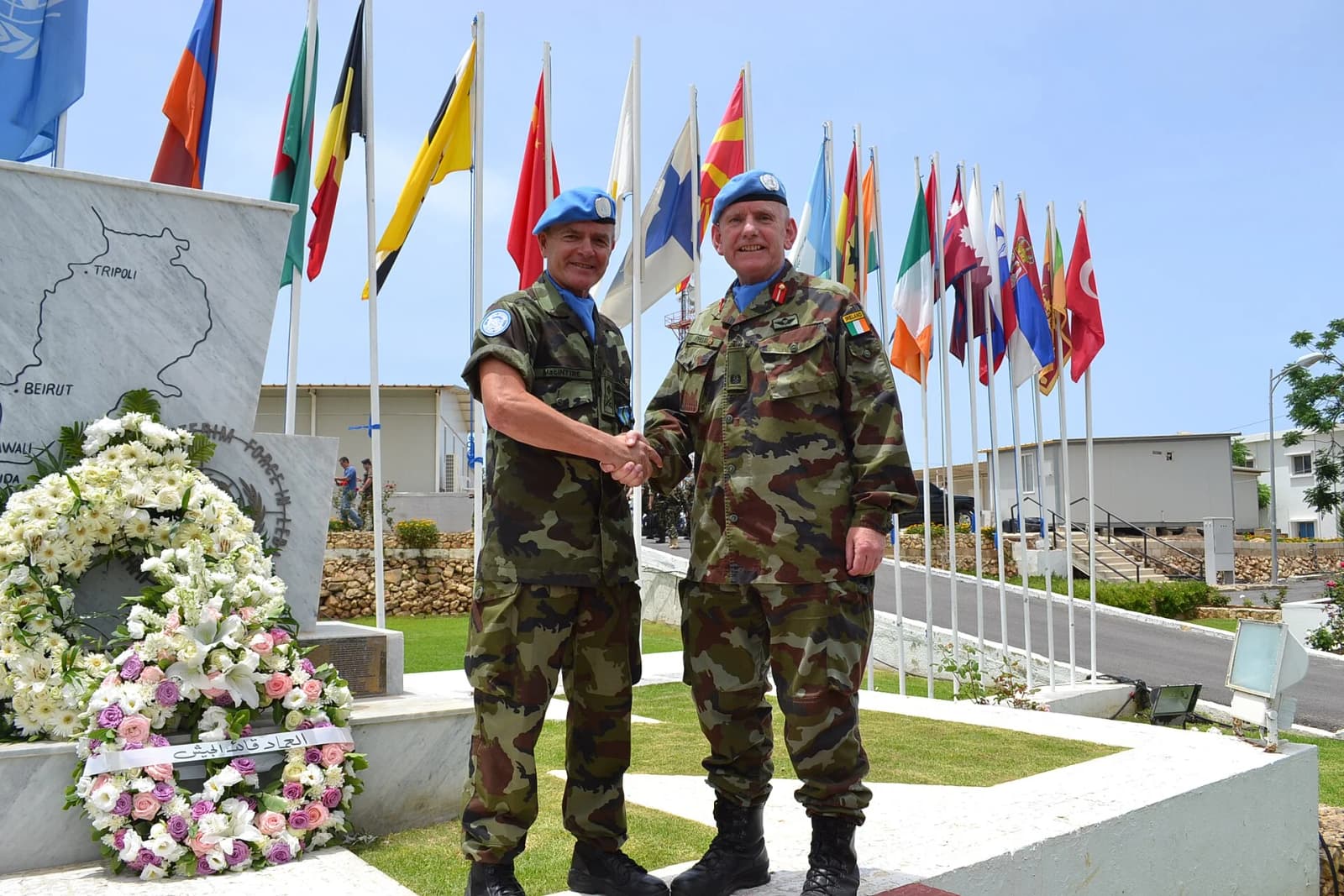
Photo source · Irish Defence Forces, CC BY 2.0