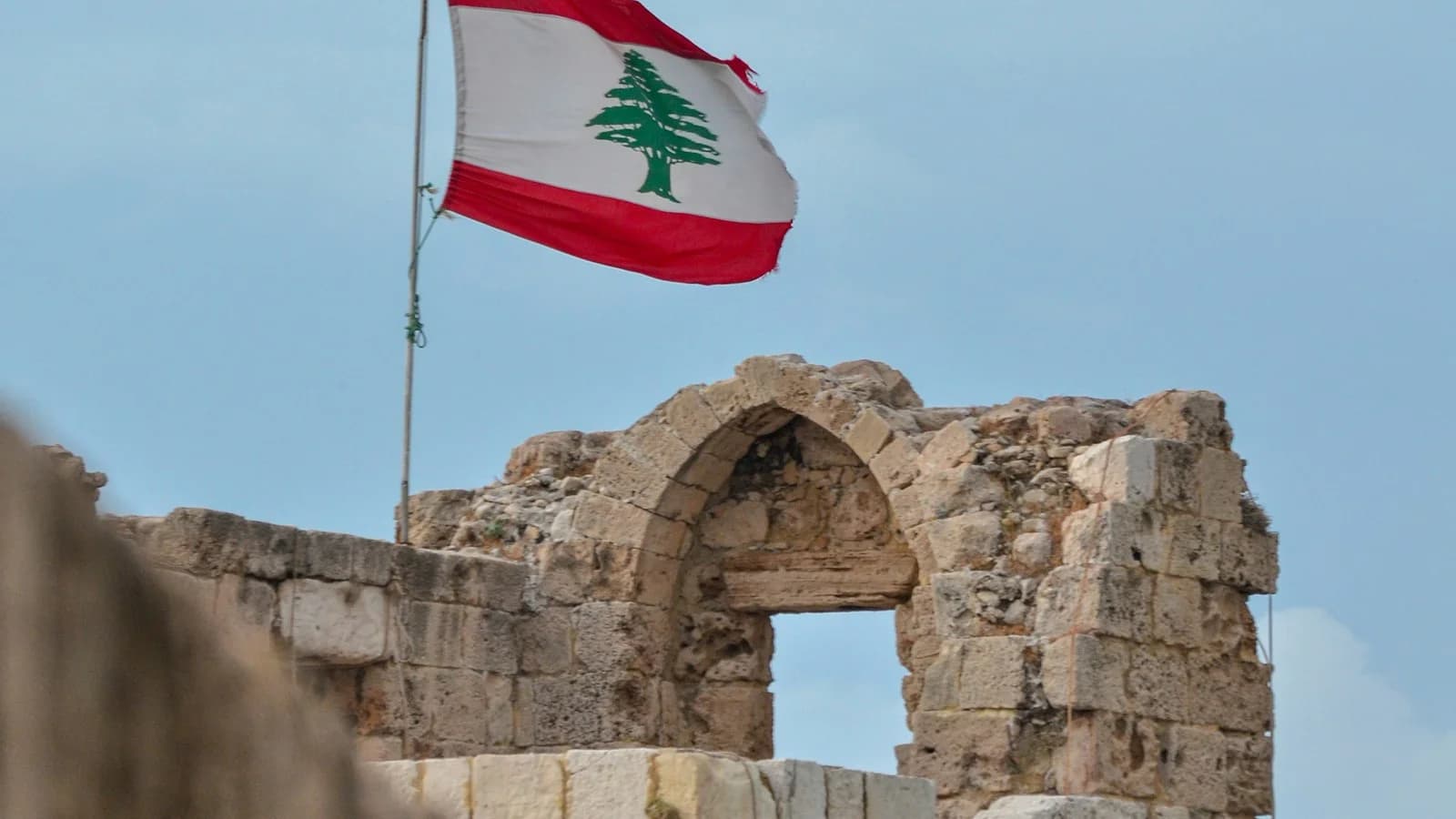
Lebanese President Joseph Aoun on 21 November 2026 demanded that Israel withdraw from all Lebanese territory and told Iran to stop interfering in Lebanon's affairs, in an address from Dbayeh, north of Beirut, on the eve of the country's 83rd Independence Day. He also told Hezbollah directly: "Hand over your weapons."
What did President Aoun say?
Aoun said Lebanon cannot fully celebrate its independence because it faces two linked obstacles: Israel's occupation of parts of its land, and interference by what he called "some influential parties in the Iranian regime", Al Jazeera reported. He described the two as "inseparably linked".
Speaking to Israel, he said: "Withdraw from every inch of Lebanese territory. Stop your attacks. And return our captives." He argued that "occupation does not create security, and destruction does not create peace", calling withdrawal the only sure path to security on the southern border, according to The Times of Israel.
What message did he send to Iran and Hezbollah?
Aoun's message to Iran was that friendship does not permit interference. He said Lebanon respects the Iranian people, but that "friendship between countries does not give one the right to interfere in another's decisions", adding: "What you do not accept for your own country, do not ask Lebanon to accept for its country."
On weapons, he said "the time for weapons outside the authority of the state is over", and that there must be no arms outside the state that take orders from, or serve, foreign powers. Addressing Hezbollah, he urged the group to hand over its weapons and promised in return "no persecution, no revenge, no retribution and no spite". He also described a "national rescue plan" dealing with Israel and Iran in parallel, according to Arab News.
He acknowledged the economic hardship facing Lebanese people, saying trust in the state will not return while citizens struggle to access their bank deposits and young people look for futures abroad.
What is the background?
Hezbollah entered the regional war on 2 March, prompting heavy Israeli air strikes and a ground invasion of southern Lebanon. In June, Lebanon and Israel signed a framework agreement after US-mediated talks. It provides for Hezbollah's disarmament, a gradual Israeli withdrawal from parts of the south and deployment of the Lebanese army, starting with "pilot" zones. Implementation has stalled: Hezbollah has refused to give up its arms, and Israel has kept up strikes.
Dozens of Lebanese, including civilians and Hezbollah members captured in the south, are believed to be held in Israeli detention. Israel holds a self-declared security zone in southern Lebanon roughly 10 km deep, The Times of Israel reported.
The violence continued on the day of the speech. Al Jazeera and AFP reported Israeli strikes in the Nabatieh, Bint Jbeil and Marjayoun districts, and Lebanon's National News Agency reported a missile strike on Kfar Tebnit. Since 2 March, Israeli attacks have killed at least 4,386 people and wounded 12,407, according to figures cited by Al Jazeera.
Why does it matter?
The speech is one of Aoun's most direct public challenges to Iran and to Hezbollah's arsenal, at a time when the US-backed process is stuck. It comes as the United Nations peacekeeping force begins handing over positions in southern Lebanon to the Lebanese army, and as Iran's confrontation with the US and Gulf states continues, including an Iranian attack Bahrain says set an industrial site on fire.
What happens next?
Lebanon marks Independence Day on 22 November. In the reports checked by MapMyTimes, no response from Israel, Iran or Hezbollah to the speech had yet been published. Whether Hezbollah engages with Aoun's offer, and whether Israel moves on withdrawal under the June framework, remain the key open questions.