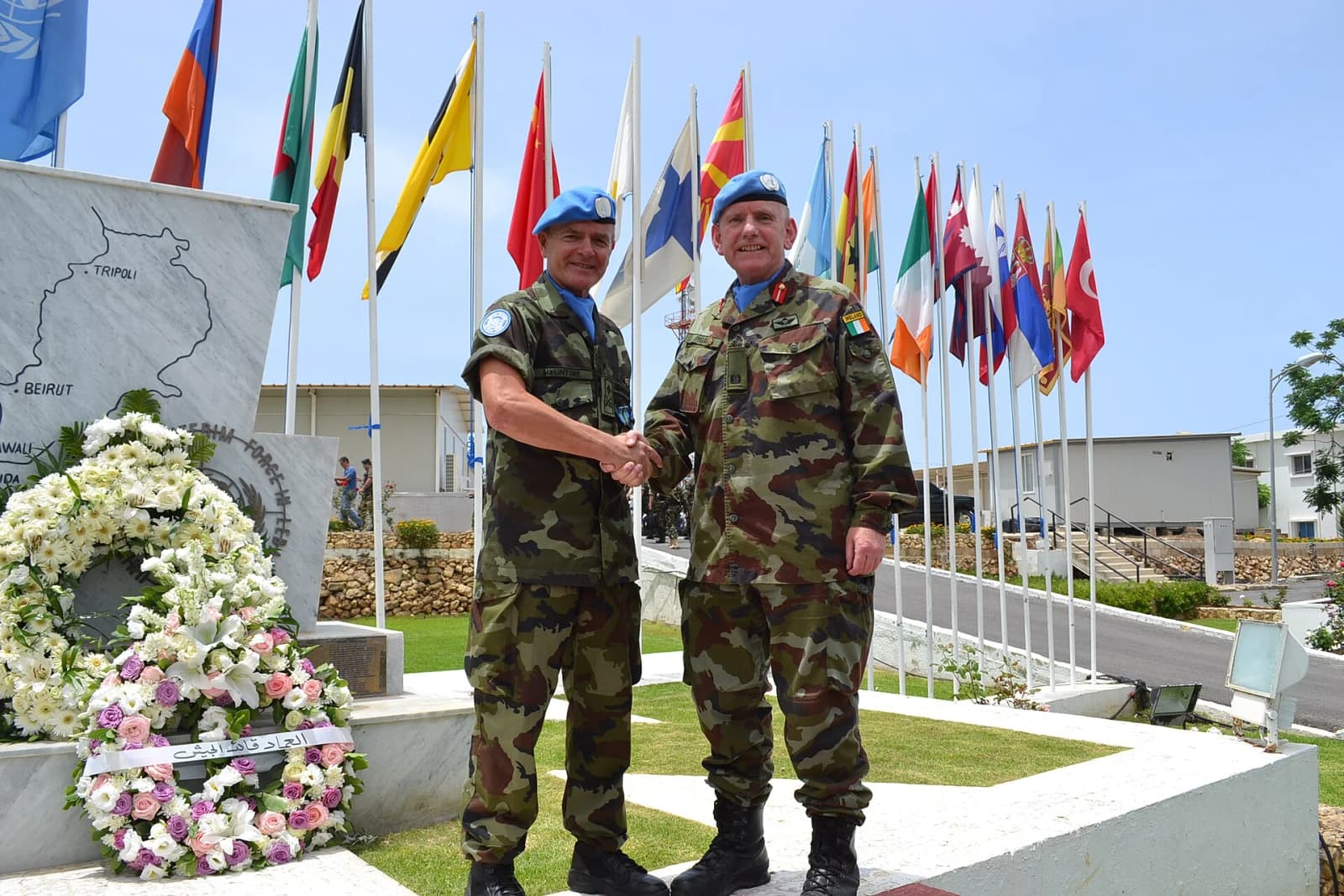
The United Nations Interim Force in Lebanon (UNIFIL) has started handing over some of its positions in southern Lebanon to the Lebanese army, the mission's head, Diodato Abagnara, said on 21 November 2026 in the southern coastal city of Tyre, according to Lebanon's state-run National News Agency, as reported by Anadolu Agency. Lebanese outlet Daily Beirut also reported his remarks, made at the Ibhari Centre hall in Tyre.
Abagnara made the remarks while meeting more than 70 women from local communities in Tyre. The peacekeeping force is in its final weeks: its mandate is due to end on 31 December 2026.
What did the UNIFIL chief say?
Abagnara said the mission has begun transferring some positions to the Lebanese army and stressed that a security vacuum must be avoided once the mission ends. He said essential tasks should carry on after that, including monitoring and reporting violations, delivering humanitarian aid, protecting civilians and supporting local communities and women.
He described Israel's continued presence in parts of southern Lebanon as "a clear violation" of UN Security Council Resolution 1701, and said peacekeepers would keep carrying out their duties until the last day of the mandate. He did not say which or how many positions had been handed over so far.
Why is UNIFIL leaving?
UNIFIL is leaving because the UN Security Council, in August 2025, extended its mandate for a final time until 31 December 2026, with a phased withdrawal to follow in 2027. The force has been deployed in southern Lebanon since 1978. Resolution 1701, adopted in 2006, widened its role to include monitoring the end of hostilities and helping the Lebanese army deploy south of the Litani River.
Abagnara said any future UN presence in southern Lebanon would depend on decisions by the Security Council.
Why does the handover matter?
The handover comes against a tense backdrop. A ceasefire took effect on 17 April 2026, but Israel has continued to carry out strikes in Lebanon. A framework mediated by the United States and signed on 26 June set out a phased process linking Israel's withdrawal to the Lebanese army regaining control and the verified disarmament of non-state armed groups.
Lebanon's Health Ministry has recorded at least 4,390 deaths between 2 March and 5 November, and the International Organization for Migration says displacement peaked at more than 1.2 million people in April, according to Anadolu Agency. Humanitarian needs in the country remain high; earlier this week the UN-hosted fund Education Cannot Wait announced new money for children in Lebanon and other crisis zones.
What happens next?
UNIFIL's mandate runs until 31 December 2026, after which a phased withdrawal is planned for 2027. The pace of further handovers, and whether the Security Council agrees on any follow-on UN presence, are not yet confirmed. How quickly the Lebanese army can take over positions in areas where Israeli forces remain is also unclear.
Photo source · Irish Defence Forces, CC BY 2.0