The United Nations climate summit in Antalya, Türkiye, ran into extra time on Saturday, 21 November 2026, as nearly 200 countries remained split over a draft deal that no longer mentions fossil fuels. The two-week COP31 conference was scheduled to end on Friday, 20 November, but a late closing session that night approved only some technical decisions and left the main political package unresolved, Al Jazeera reported.
"We are close to the finish line, but we are not there yet," COP31 President Murat Kurum, Türkiye's environment minister, told delegates, according to Al Jazeera. Negotiators worked late into Friday night and returned early on Saturday, Irish broadcaster RTÉ reported from Antalya.
Why are the talks stuck?
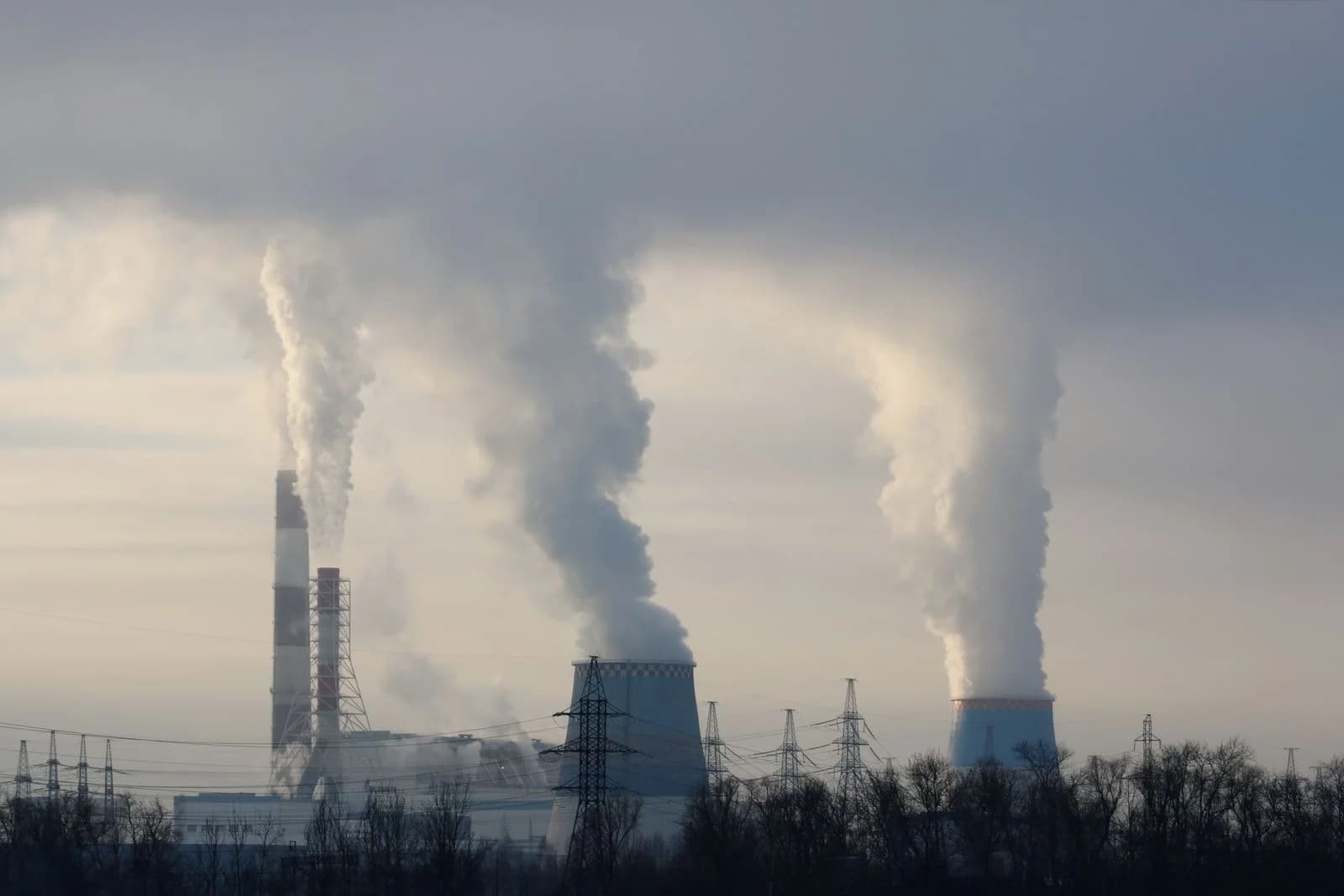
The main dispute is over whether the final text should refer to moving away from coal, oil and gas. According to Al Jazeera, Australia, which co-hosts the summit and leads the negotiations, put out a first draft on Monday that called for a faster phase-out of fossil fuels. A slimmer version issued on Thursday, 19 November, removed every mention of them after objections from Saudi Arabia and other major oil and gas producers.
RTÉ reported that the nine-page Thursday draft makes no explicit reference to coal, oil, gas or fossil fuels, while setting out possible annual targets for industry to capture carbon dioxide by 2035. The revised text also dropped a proposed $120 billion target for helping poorer countries adapt to climate change, Al Jazeera reported.
Who is pushing back?
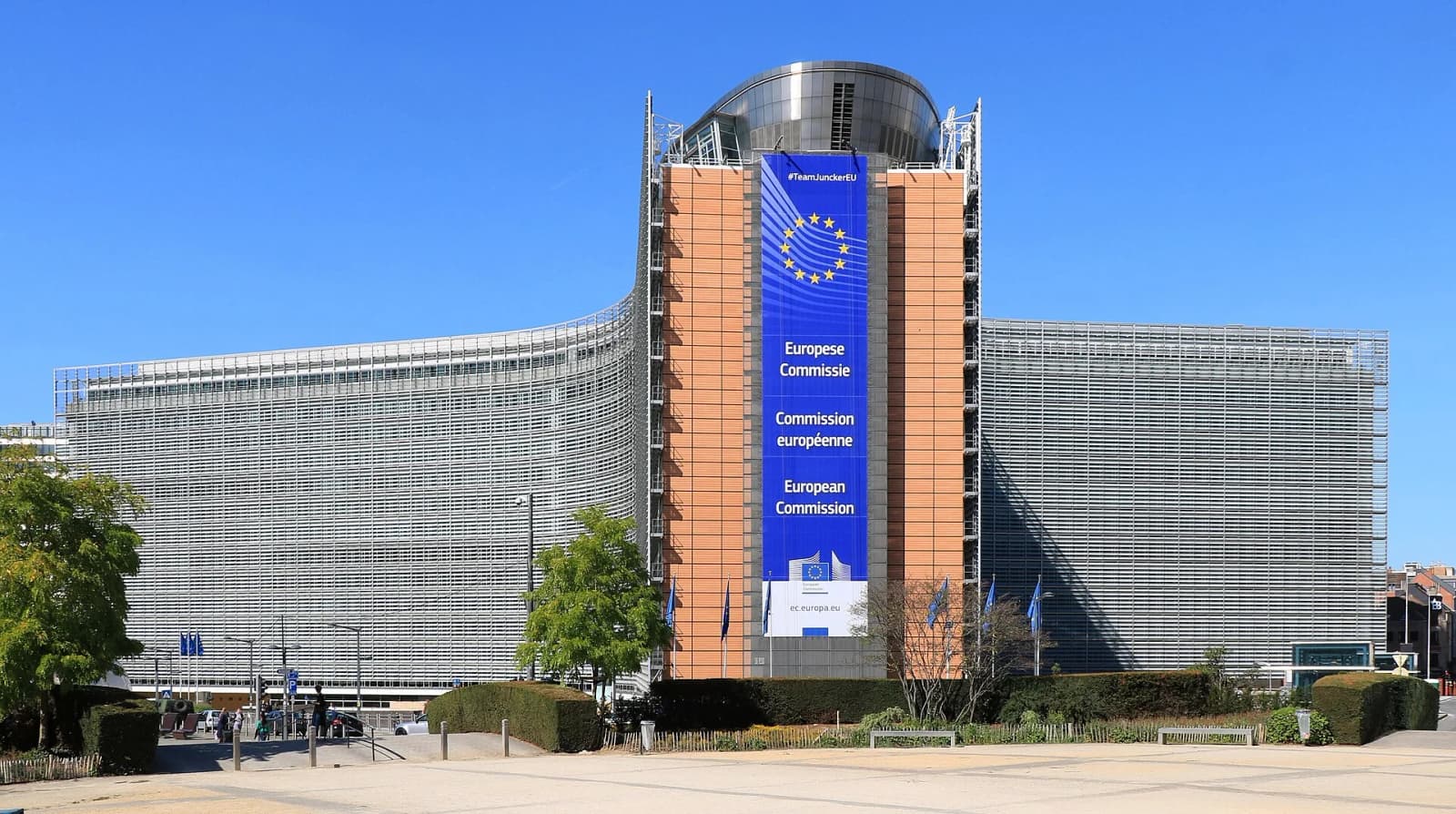
The European Union has said the draft "risks turning this climate COP into a fossil summit", according to Al Jazeera. On Saturday, the EU's climate commissioner, Wopke Hoekstra, said there was "clearly" no compromise yet on fossil fuels and carbon capture, and added: "It's better to have no deal than to have a bad deal," RTÉ reported. RTÉ also cited sources as saying the EU was ready to leave without an overall agreement if the text did not recognise the transition away from fossil fuels.
Ireland's climate minister, Darragh O'Brien, told RTÉ that fossil fuel recognition was a red line for the bloc and that around 130 countries, including island nations and states in Africa, the Pacific and Latin America, backed the EU position. He said oil-producing countries, mainly from the Arab bloc, were still resisting such language, and that "today will tell whether a deal can be done or not."
Panama's environment minister, Juan Carlos Navarro, said a cover document that "does not even mention fossil fuels" was unacceptable, Al Jazeera reported. Panama has threatened to walk away and wants the deal to say global oil production should be capped at current levels, according to RTÉ. Saudi Arabia and its allies argue that each country should decide how to meet its own energy needs.
What else is in dispute?
The draft would raise electricity's share of the world's final energy consumption to 35% by 2035, but does not specify renewable power, and some countries want the word "clean" added, Al Jazeera reported. Several countries oppose a bigger role for carbon capture, which they describe as costly and unproven. Vanuatu's climate minister, Ralph Regenvanu, wants references to "false solutions" removed, while Ghana's environment minister, Zanetor Agyeman-Rawlings, said developing countries had not come "to beg" over finance shortfalls.
Why it matters
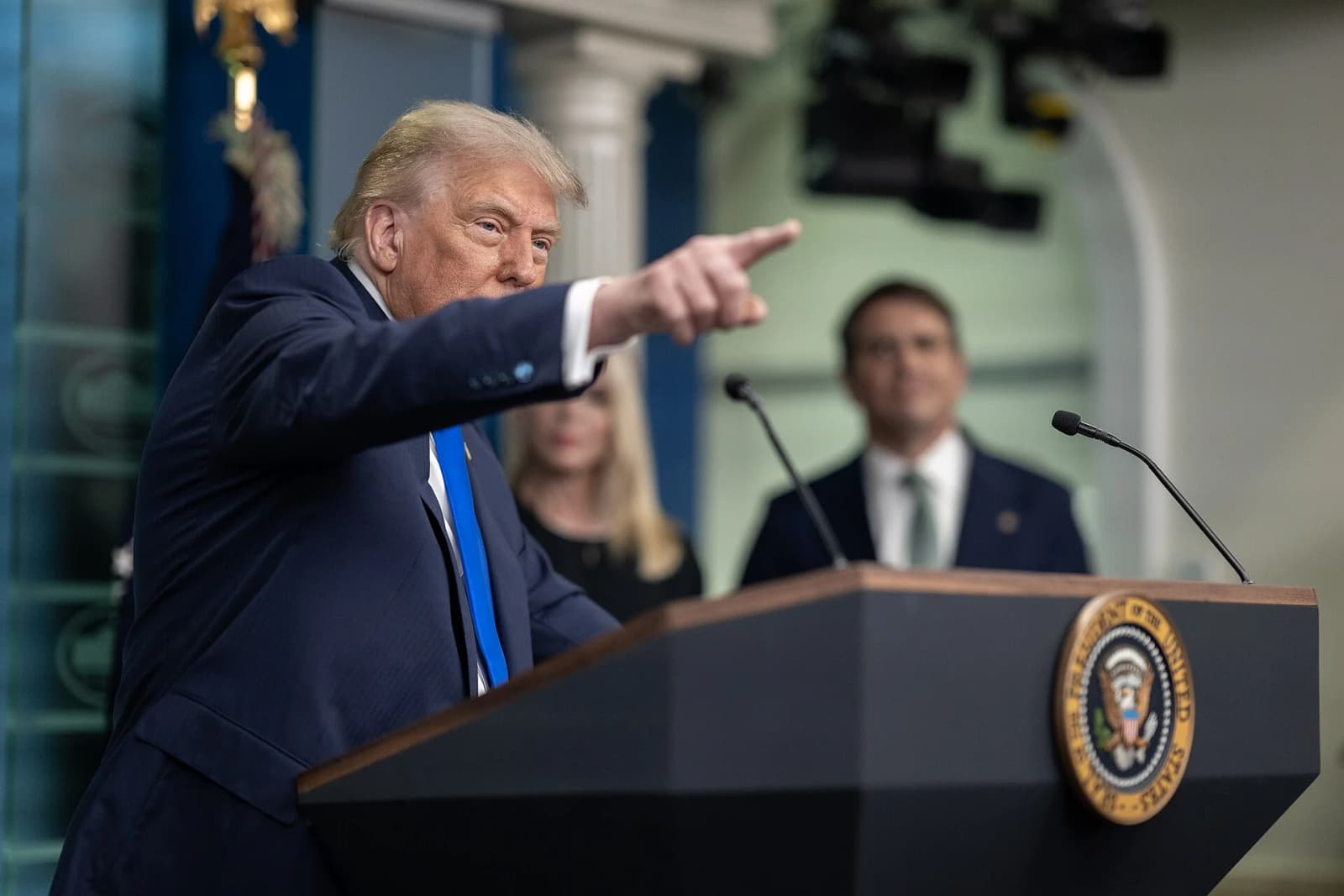
Three years ago, at COP28 in Dubai, countries agreed to call for a transition away from fossil fuels in energy systems, and the EU insists that any Antalya agreement must mention fossil fuels, according to RTÉ. A UN report last month found the world is on course to pass the 1.5°C warming limit set in the 2015 Paris Agreement, and the United States is absent from the talks for a second year after President Donald Trump ended climate cooperation, Al Jazeera reported.
What happens next
A third draft was expected on Saturday, according to AFP as cited by Al Jazeera. Any final agreement needs consensus. Australia's climate and energy minister, Chris Bowen, who chairs the negotiations as COP31 President of Negotiations, said he still believed a deal was possible, RTÉ reported. As of Saturday afternoon, no final text had been adopted. Official documents are posted on the UN Framework Convention on Climate Change (UNFCCC) COP31 page.