The European Union and Indonesia signed a long-awaited free trade agreement and a separate investment protection pact in Brussels on Saturday, 21 November 2026, closing out a negotiation that began in 2016. European Commission President Ursula von der Leyen called the Comprehensive Economic Partnership Agreement (CEPA) "one of the most ambitious deals" the EU has concluded in Asia, linking markets of about 730 million people.
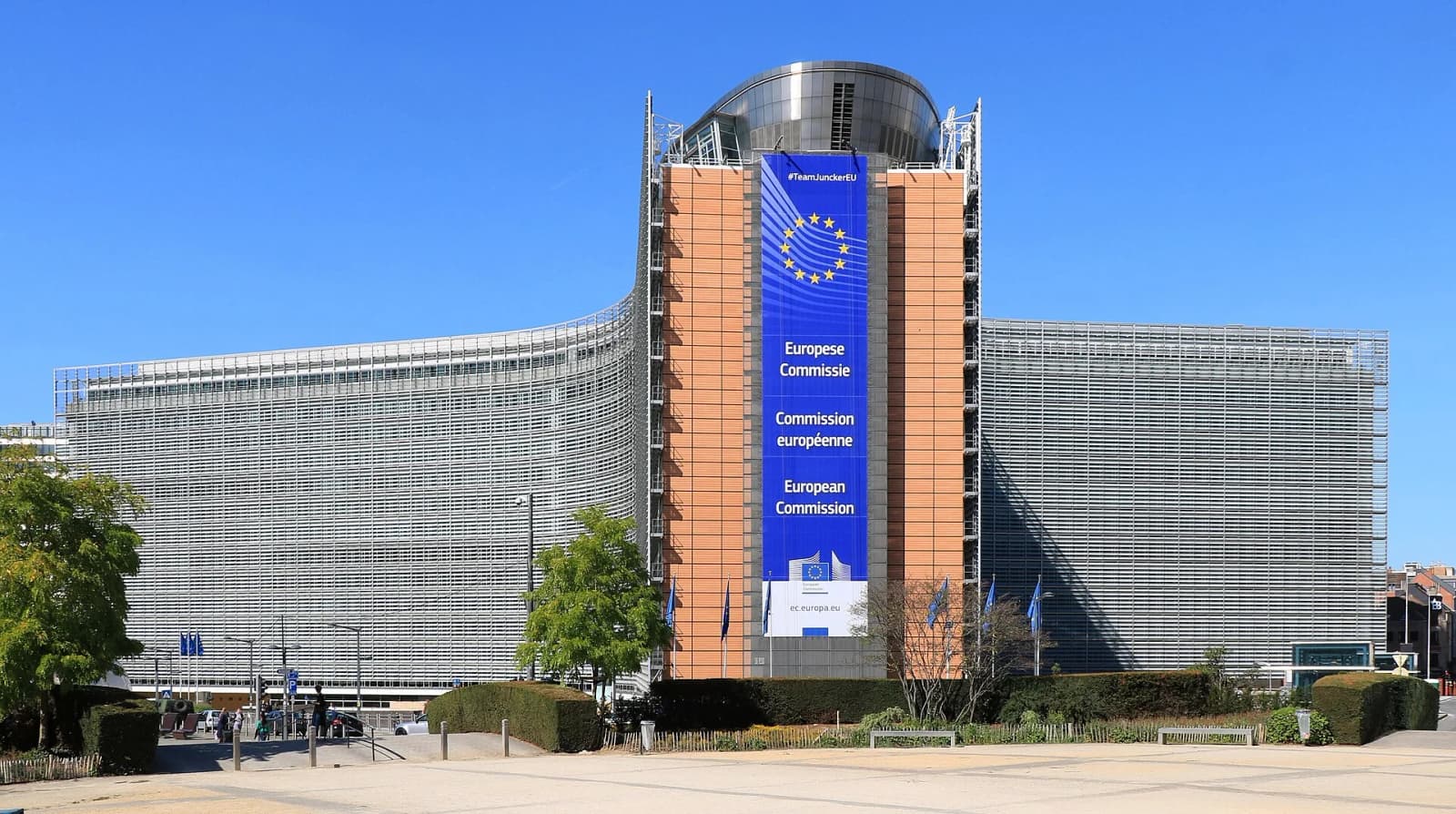
Indonesian media reported that the deal was signed at the Commission's headquarters by Indonesia's Coordinating Minister for Economic Affairs Airlangga Hartarto and EU trade commissioner Maroš Šefčovič, with von der Leyen and Indonesian Trade Minister Budi Santoso in attendance. Von der Leyen described it as a "momentous day".
What does the EU-Indonesia deal change?
It removes tariffs on more than 98% of tariff lines traded between the two sides, according to the Commission's summary of the key elements. About 80% of trade is liberalised as soon as the deal takes effect, rising to 96% after a five-year phase-out. The Commission estimates the immediate cuts will save European companies about €600 million a year in duties.
Among the main changes listed by the Commission:
- Cars: Indonesian duties of up to 50% on motor vehicles will be removed, mostly over five years, and EU cars with UNECE type-approval will not need extra testing in Indonesia.
- Palm oil: a dedicated protocol sets up a dialogue on regulation and cooperation on sustainable production and trade.
- Sustainability: commitments on environment, climate and labour are legally binding and enforceable through dispute settlement.
- Food names: 221 EU and 72 Indonesian geographical indications, from European cheeses to Indonesian spices and coffees, are protected.
- Investment: the separate investment protection agreement guards investors against unfair treatment such as expropriation without fair compensation, with disputes settled between states.
For Indonesian exporters, 90.4% of tariff lines will face zero EU duty once the deal is in force, 8.37% will be cut gradually over three to 15 years or handled through quotas, and 1.2% classed as sensitive will stay at standard rates, Indonesian media reported.
Why it matters
Indonesia, Southeast Asia's largest economy, traded goods worth €28.9 billion with the EU in 2025: EU exports were €10.2 billion and imports €18.7 billion, according to figures reported by Euronews. The Commission projects EU exports to Indonesia could rise by almost 40% within 15 years, with machinery and vehicles expected to gain most, alongside new openings in electric vehicles, electronics and pharmaceuticals.
The deal is the EU's third free trade agreement with a Southeast Asian country, after Singapore and Vietnam. For Jakarta, timing is pressing: Indonesia graduates from the EU's Generalised Scheme of Preferences, which gives it lower duties, on 1 January 2027.
Palm oil has long strained relations, and environmental groups have warned the deal could add pressure on Indonesia's forests. When the talks concluded in 2025, Greenpeace Indonesia said remaining natural forests inside palm oil concessions could be cleared.
How did the agreement get here?
Negotiators reached a political deal in 2025 after 19 formal rounds of talks, and the agreement was substantively concluded in Bali in September that year. EU governments authorised the signature and provisional application of both agreements on 18 November 2026, Reuters reported. The Commission has published the texts of the agreements.
What happens next?
The agreements now go to the European Parliament for consent, while Indonesia follows its own ratification process. If both are completed, the deal could start to apply early next year. Von der Leyen also said she expects to host Indonesian President Prabowo Subianto in Brussels on 11 December, before both attend the G20 summit in Miami, according to Indonesian media.
Photo source · EmDee, CC BY-SA 4.0