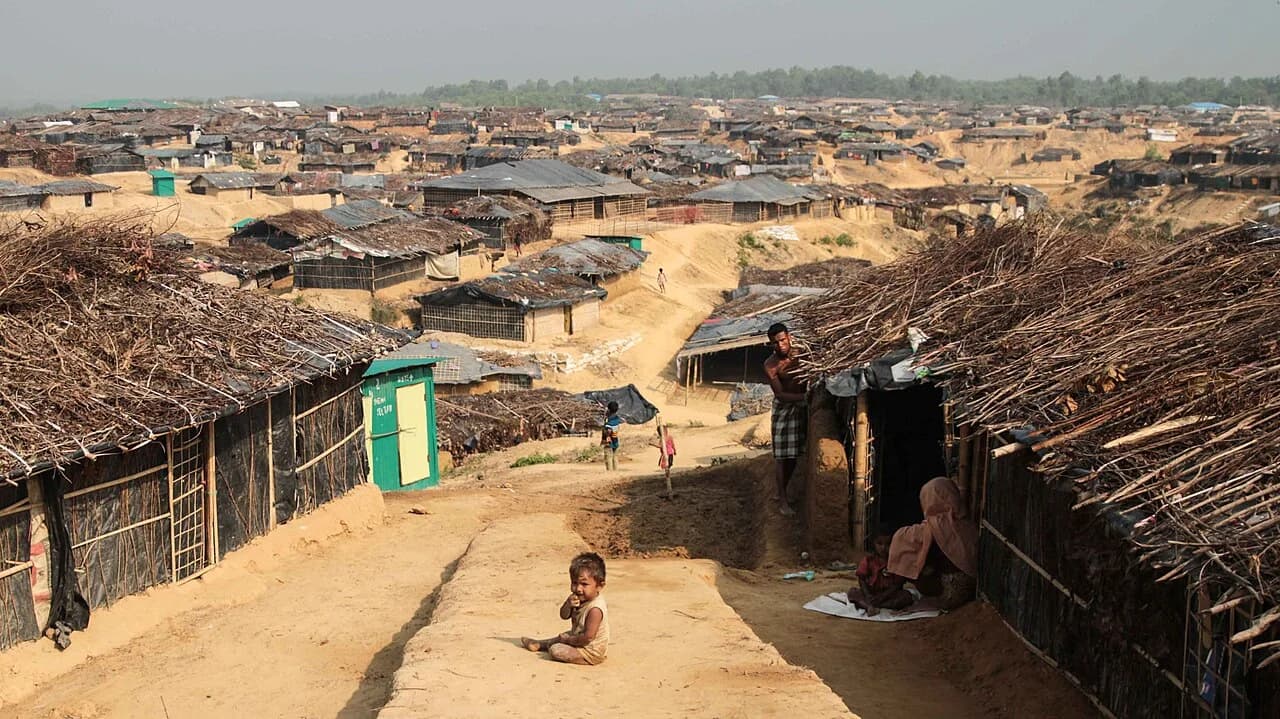
Khalilur Rahman, President of the 81st session of the United Nations General Assembly, visited Rohingya refugee camps in Cox's Bazar, Bangladesh, on 20 November 2026. He went there a day after the International Court of Justice (ICJ) ruled that Myanmar had committed genocide against the Rohingya. He told refugees they would not be left to face the aftermath alone, according to UN News.
"You will not be alone. I will do my part," Rahman told camp residents. He said he had wanted to deliver the message in person in the camps, not from New York.
What did the ICJ decide on 19 November?
The UN's top court found Myanmar responsible for genocide against the Rohingya, by nine votes to six, in the case brought by The Gambia under the Genocide Convention. Human Rights Watch said this was the first time the ICJ had found a country responsible for genocide. The Gambia filed the case in November 2019. Britain responded to the ruling by expelling Myanmar's defence attaché, MapMyTimes reported.
The judgment concerns the "clearance operations" carried out by Myanmar's military in 2016 and 2017. The court found that Myanmar's security forces and other state bodies committed genocidal acts, including killings, causing serious bodily or mental harm, and imposing measures intended to prevent births, according to Human Rights Watch's summary. UN News, citing the UN refugee agency UNHCR, said at least 10,000 Rohingya were killed and about 750,000 fled to Bangladesh.
Myanmar was ordered to stop its continuing breaches of the convention, give assurances that such acts will not be repeated, and pay reparations. The court said restitution should include allowing a safe, voluntary and dignified return. Myanmar must report back to the court within two years on restitution and compensation. Human Rights Watch noted that the ruling is final and cannot be appealed.
What is Rahman asking for?
Rahman set out four priorities, UN News reported:
- Justice: Myanmar should investigate suspected perpetrators and, where the evidence supports it, prosecute them, and reform its laws.
- Safe return: No refugee should be sent back into danger. Any return must guarantee safety and freedom of movement and give Rohingya a say in their own future.
- Reparations: Rahman said money cannot replace lives lost, but reparations could help survivors feel safer and more hopeful.
- Prevention: Myanmar should reform its laws, train its security forces and place them under real civilian control.
He also called on the international community to make sure the judgment is implemented, and said he would work with UN member states on the next steps.
Why does his visit carry extra weight?
Rahman knows the crisis from the Bangladeshi side. UN News said he previously served as Bangladesh's foreign minister and as its top envoy on the Rohingya issue. Bangladesh's United News of Bangladesh agency, reporting a UN media advisory, said he had been the country's High Representative for Rohingya Affairs. The same advisory said he would hold a joint press conference with Carol Flore-Smereczniak, the UN Resident Coordinator in Bangladesh, during the visit.
Human Rights Watch said the court's reasoning is likely to matter for other genocide cases before the ICJ, including South Africa's case against Israel.
What happens next?
The two-year reporting deadline is now the main test of compliance. In the reports MapMyTimes reviewed, there was no official response from Myanmar's government to the judgment or to Rahman's visit. The refugees' future remains uncertain. Separately, Malaysia deleted a post that had announced a plan to resettle 10,000 Rohingya refugees in Türkiye, as MapMyTimes reported.